You feel McKinney’s barbecue the moment you walk up to a pit or a tiny storefront window, it already smells like history. Pitmasters who learned on church-lot smokers still tend the fire, carrying over more than 37 years of pitmaster tradition in their hands. You’ll taste post-oak and hickory smoked notes in brisket and sausage, smoked meats that wear their age like a good denim jacket.
Locals trade techniques and stories like family heirlooms, and the town’s small-town rhythms shaped a steady, no‑frills craft. Places like Vaqueros Texas Bar-B-Q are part of that fabric, where Texas BBQ is more than a meal, it’s a way of life. Once you notice those patterns, you’ll understand how those drills turned into a thriving barbecue scene.
McKinney BBQ: Origins and Early History
Though McKinney’s barbecue scene looks effortless today, it grew from humble, local roots and a few determined pitmasters. Early gatherings were neighborhood affairs, backyard pits, church fundraisers, and Friday-night smoke that drew folks together.
You learn the names of cooks who experimented with brisket and ribs, swapping tips and recipes at flea markets and county fairs. Over time, modest stands turned into storefronts as demand grew, but the techniques stayed rooted in patience, wood smoke, and hands-on care.
You appreciate how recipes adapted to local tastes while keeping Texas BBQ traditions alive. The story is less about sudden fame and more about steady, community-driven craft that shaped McKinney’s barbecue identity.
Why Small-Town Culture Sparked a BBQ Revival
Because people in McKinney still value slow, neighborly rhythms, the town’s small-town culture helped trigger a barbecue revival by rewarding authenticity over trends.
Local spots favor time-honored techniques and recipes passed down at kitchen tables and church fundraisers. You can walk into a joint and hear familiar voices comparing rubs, sauces, and smoking times, and that shared language pushes cooks to perfect basics instead of chasing fads.
Community events and farmers markets give pit teams steady feedback and steady crowds, so quality matters more than clever gimmicks. Patrons tip generously, refer friends, and expect consistency, which sustains artisanship.
That ecosystem makes McKinney a place where deliberate, neighbor-driven Texas BBQ—hickory smoked brisket and other smoked meats—grows and endures.
Pitmasters Who Changed McKinney’s Game
Meet the pitmasters who rewrote McKinney’s barbecue playbook. They brought disciplined technique, local pride, and a willingness to teach that raised the whole town’s standards.
You’ll meet cooks who treated smoking like craft, obsessing over wood choice, temps, and timing, then shared those details with neighbors. You’ll find entrepreneurs who turned backyard talent into community institutions, mentoring apprentices and hiring locally so skills stayed in town.
You’ll notice creatives who fused regional flavors, honoring brisket and sausage flair without losing honesty. When you sit at their tables, you’ll taste consistency born of repetition and humility, as they tweak, taste, learn, and pass on knowledge.
Their influence made excellence accessible, lifting McKinney from scattered talent to a recognizably great Texas BBQ scene rooted in hickory smoked traditions and smoked meats done right.
Traditional Smoking Techniques Still Used in Town
When you walk into a McKinney smokehouse, you’ll notice methods that haven’t changed much: low and slow cooking over indirect heat, careful control of wood and airflow, and an almost ritual patience that turns simple cuts into deep-flavored barbecue.
You’ll watch pitmasters tend offset smokers, adjust dampers, and gauge temperature by touch and sight, rather than relying solely on gadgets.
You’ll learn how choice of wood, post oak, hickory, pecan, shapes aroma, and how maintaining a steady 225 to 275°F releases collagen and fat without drying meat.
You’ll see foil wraps, mop sauces, and resting times used strategically to build texture and flavor.
These enduring techniques anchor McKinney’s Texas BBQ scene, preserving consistency and a direct link to regional tradition.
Creative BBQ Using Local Ingredients
Branching out from classic pit techniques, McKinney cooks are mixing local produce, cheeses, and craft beers into their barbecue to create flavors you won’t find anywhere else. You’ll taste smoked peaches and jalapeños glazing ribs, corn roasted over hickory folded into brisket hash, and cheddar-curd-studded sausage links that snap with tang.
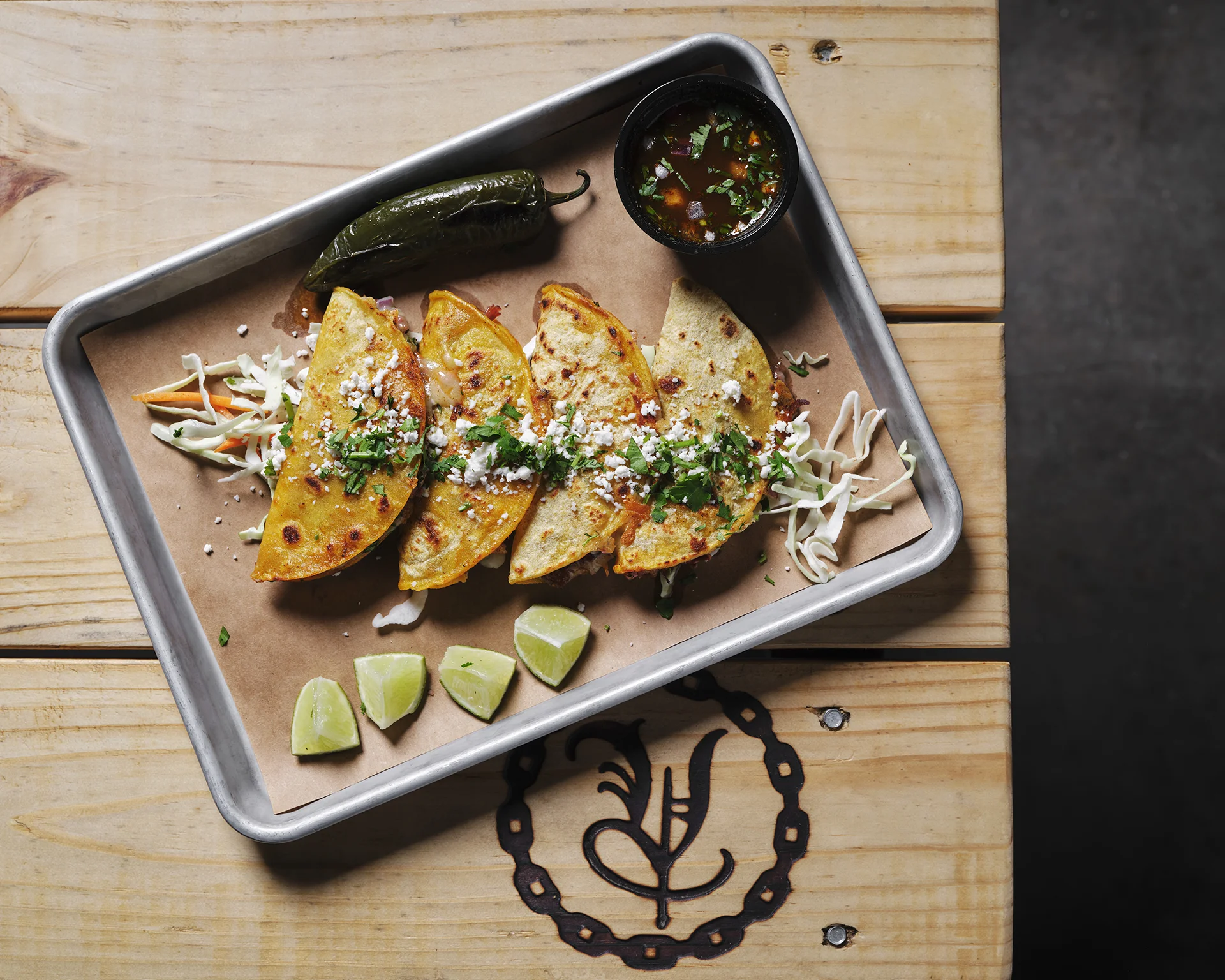
Chefs source herbs from nearby farms, using rosemary and thyme in rubs that lift the smoke, not mask it. Brewers collaborate on beer-brined poultry that stays juicy with a subtle malt sweetness. You can order plates that highlight seasonal vegetables alongside slow-smoked meats, or try tacos that trade salsa for a tangy, beer-cheese sauce. These inventive pairings keep Texas BBQ classics recognizable, while pushing McKinney’s barbecue forward with a hickory smoked heart and pitmaster craft.
McKinney BBQ: Neighborhoods & Must-Visit Spots
Though McKinney’s barbecue scene spans neighborhoods, you’ll find each area offers a distinct spin. Historic downtown serves classic pit smoke and cozy porches, Chestnut Square brings family-run joints with rotating seasonal sides, and the Craig Ranch corridor hosts modern smokehouses experimenting with local ingredients.
You’ll wander tree-lined streets to spot welcoming facades, quick-service counters, and handy patios where locals gather. Head toward boutique-lined blocks for after-meal strolls, or seek quieter residential spots for low-key takeout.
Farmers markets and nearby breweries often neighbor barbecue venues, so you can pair visits with local shopping or a beer flight. Use weekday lunch hours to beat lines, check owners’ social feeds for pop-ups, and follow neighborhood maps to plan a well-paced barbecue crawl.
Signature Dishes : What to Order in McKinney
Start with brisket, it’s the benchmark here: tender, smoky slices with a peppery bark and a silky fat cap that test a pitmaster’s skill.
Order sausage next, Texas-style links with a coarse grind and a snap that balance fat and spice.
Try ribs glazed with a molasses-kissed sauce or served dry-rubbed. Both showcase hickory smoked depth and the meat’s texture.
Don’t skip pork shoulder, pulled or chopped, drenched lightly in vinegar or tomato-based sauce depending on the joint.
Sample smoked turkey for a lean, clean contrast among the smoked meats.
Sides matter, creamy mac and cheese, tangy coleslaw, and charred corn complement the barbecue.
Finish with banana pudding or pecan pie if offered.
Ask servers for house specials and daily smokers’ cuts to taste the best of Texas BBQ.
Festivals and Events That Put McKinney BBQ on the Map
Come out and you’ll find McKinney’s calendar packed with BBQ-focused festivals and events that spotlight local pitmasters, vintage smokers, and community cook-offs.
You’ll stroll through tents where competitors trade tips, sample brisket from teams chasing trophies, and watch judges score ribs by appearance, tenderness, and flavor.
Seasonal block parties and heritage fairs spotlight regional sauces and side dishes, while charity cook-offs let you eat well for a cause.
You can join hands-on demos to learn low-and-slow techniques, or catch live music that keeps the mood smoky and celebratory.
These gatherings let you meet the people behind the smoke, compare styles from whole-hog to Texas BBQ and hickory smoked brisket, and mark your calendar for the barbecue weekends you won’t want to miss.
Where to Buy Smoked Meats and Take-Home Favorites in McKinney
When you want great smoked meats to take home, McKinney’s shops and market stalls make it easy to stock up on brisket, ribs, sausage, and ready-made sides.
Head to established BBQ joints that sell by the pound for day-of pickup or pre-orders, they’ll wrap brisket and ribs so they stay warm for the trip.
Visit local butcher shops that smoke small batches, those give you specialty cuts and house-made links.
Farmers markets and weekend pop-ups often feature pitmasters selling trays of smoked chicken, burnt ends, and cole slaw you can reheat.
Don’t forget grocery delis with regional BBQ sections for quick family meals.
Call ahead for availability, order earlier in the week for weekends, and bring insulated bags.
How to Eat BBQ Like a Local
Dig in like a local by pairing brisket and ribs with the right sides and a cold drink, and ask for sauce on the side so you control the flavor.
When you order, say what cut and how much, then pick two sides. Pickles and potato salad balance richness, while collard greens or green beans add brightness.
Eat brisket in thin slices, letting fat melt on your tongue, and use a fork for tender burnt ends. For ribs, grab them with your hands, bite through to the bone, and don’t be afraid to lick your fingers.
Pace yourself between savory bites and sips of sweet tea or a local beer. When the pitmaster has put in work on hickory smoked brisket and other smoked meats, let the flavors shine and take home seconds if you can.