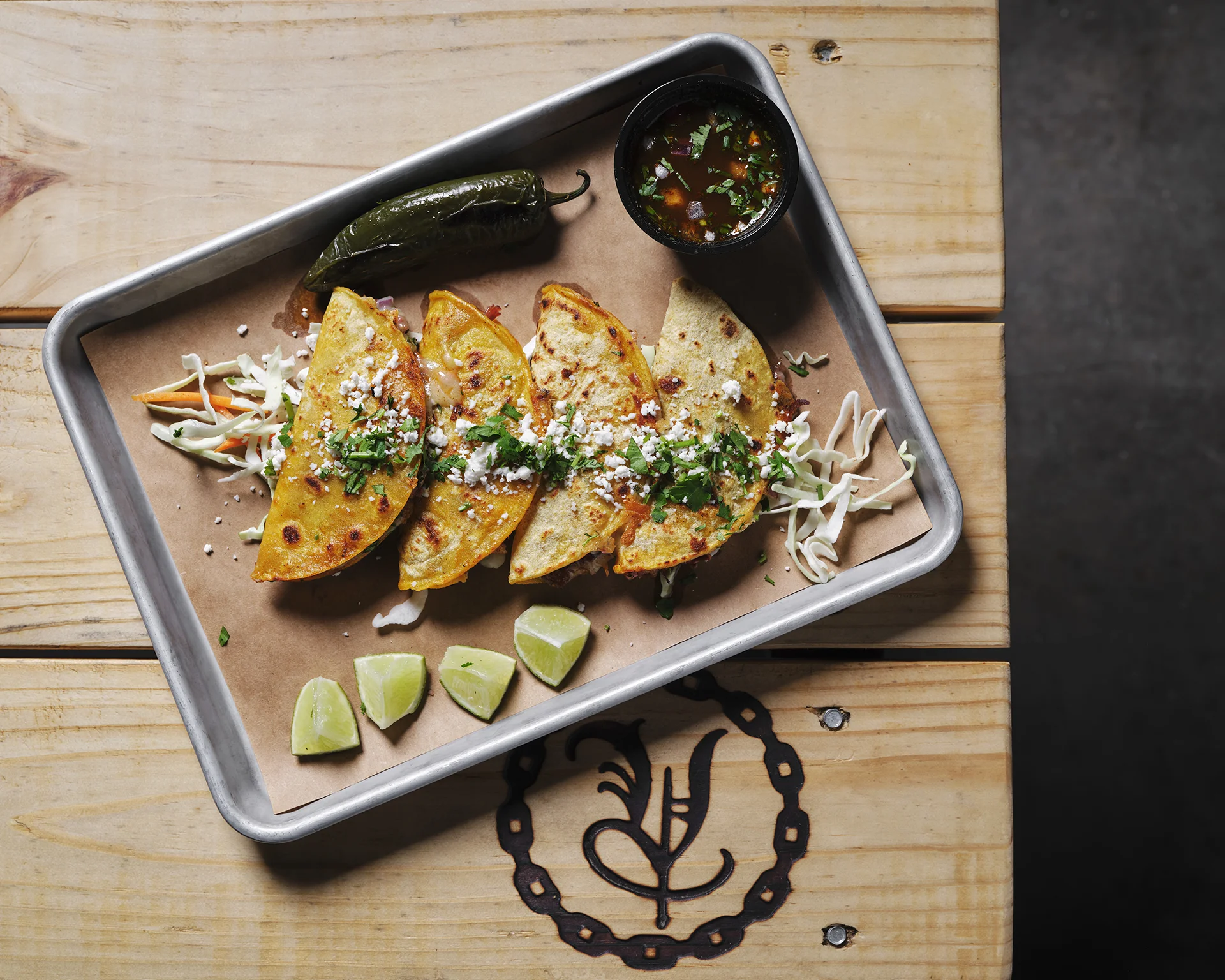
If you want to serve Texas BBQ the way it was meant to be served, you start with the meat. For more than 37 years our pitmasters have slow-smoked brisket and other smoked meats over post oak and hickory, used a simple salt-and-pepper rub, and allowed a patient rest before the slices hit the plate. Sauces are optional, sides are restrained, and portions are generous, because every bite should showcase the smoke, the texture, and that hard-earned flavor. Vaqueros Texas Bar-B-Q carries that quiet, proud tradition forward, plain and steady, the way Texans have done it for decades.
Texas BBQ vs. Other Styles: What Actually Differs
When you compare Texas BBQ to other regional traditions, the differences show up in cuts, smoke, and purpose. Texas centers on beef, especially brisket, cooked low and slow over post oak or mesquite, while places like Kansas City favor sauced ribs and chicken, and the Carolinas highlight pork and vinegar-based sauces.
You’ll notice Texas service focuses on the meat’s texture and smoke ring rather than heavy sauces or complex glazes. You’ll be handed sliced brisket, chopped brisket, or sausage with minimal adornment, meant to showcase the pitmaster’s skill.
Side dishes and sauces are functional, not distracting. When you serve Texas BBQ, present straightforward portions, encourage tasting the smoke and seasoning, and let the smoked meats be the unmistakable centerpiece.
Core Ingredients: Cuts, Post Oak, and the Simple Rub
Pick the right pieces, stack the wood, and keep the seasoning simple. Texas BBQ lives or dies on three essentials, the cuts you choose, post oak for your smoke, and a no-fuss rub.
Favor brisket point and flat for flavor and texture, choose beef ribs for depth, and reach for pork spare ribs or shoulder only when tradition calls for them.
Use straight, well-seasoned post oak, its mild, steady smoke complements beef without masking the meat’s character.
Your rub should be basic: coarse salt, cracked black pepper, maybe a touch of garlic or paprika if you like. Apply sparingly so the meat, not the spice, is the star.
When those elements are right, everything else falls into place and the pitmaster’s work shines through in perfectly smoked meats.
Low-and-Slow Smoking: Temps, Timing, and the Stall
Smoking low and slow means holding a steady temperature and letting time do the work. Aim for a pit temp around 225–250°F for beef, slightly lower for pork, and plan for long cooks measured in hours, not minutes. Monitor internal meat temps, targeting brisket finish near 200–205°F and pork shoulder around 195–203°F, and adjust vents or fuel to stay consistent.
Expect the stall, when moisture evaporation slows the temperature rise for hours. Don’t panic or crank the heat, maintain steady smoke and patience, or use a foil or butcher paper wrap to push through the stall and preserve the bark. Use a reliable thermometer, manage airflow, and trust low-and-slow to break down connective tissue into tender, flavorful smoked meats.
This is the approach you’ll find in Texas BBQ traditions, where a careful pitmaster favors hickory smoked profiles and long cooks to turn tough cuts into rich, sliceable brisket. Keep it steady, keep it simple, and let time and smoke do the work.
Resting, Slicing, and Presenting Brisket the Texas Way
After the smoke has done its work and the internal temps have settled, let the brisket rest long enough for juices to redistribute, so you don’t lose them when you slice. Keep it tented in foil or butcher paper and insulated, cooling too fast dries the bark.
When you’re ready, separate point from flat along the natural seam, then trim excess fat but leave a protective cap. Slice the flat against the grain into uniform cuts about 1/4 inch thick for even tenderness, cut the point into thicker slices or pull for varied texture.
Arrange slices on a clean board or butcher paper in overlapping rows, showcasing the smoke ring and bark. Serve Texas BBQ brisket simply so its hickory smoked flavor and texture speak for themselves.
Sides, Sauce, & Portions: How Much to Serve
A few smart choices will keep your Texas BBQ balanced and satisfying.
Plan about 1/2 to 3/4 pound of brisket per person for a main-course serving, less if you offer several mains. Pair it with simple, complementary sides like creamy potato salad, tangy coleslaw, and smoky baked beans, and put sauce on the side so guests can control how much they want.
Keep sides in modest portions, roughly 3/4 to 1 cup per person, so the meat stays the star. Offer one starch, one vegetable, and a cold salad to cover preferences without waste.
Provide small ramekins for sauces and dressings, and label them clearly. If you expect big eaters, add 10–20% extra protein and a bit more starch.
Serving Etiquette & The Butcher-Paper Ritual
Once your plates are balanced and sauces are at the ready, it’s time to think about how you present and serve the meat, Texas BBQ has a few rituals that matter as much as the cooking. Keep it communal and unpretentious. Slice brisket across the grain, pile sausage and ribs so guests can grab without tools, and offer tongs for shared platters.
Use butcher paper to wrap whole cuts or line trays, it holds juices, keeps slices warm, and adds that authentic farmhouse look. Don’t over-decorate, let smoke and texture speak. Serve briskly so bark stays crisp and juices stay locked.
Invite guests to dig in, pass family-style, and respect portions so everyone gets a true taste of barbecue and hickory smoked smoked meats prepared by a skilled pitmaster.
Common Mistakes and Quick Fixes for Authentic Texas BBQ
If you want truly authentic Texas BBQ, don’t let a few common missteps undo hours at the pit. Over-trimming, inconsistent temperature, and smothering smoke flavors are frequent culprits, and each has a straightforward fix.
Don’t strip fat until you’ve tasted how it renders, leave a thin cap to keep brisket juicy. Use a reliable thermometer and set vents to hold steady temps, fluctuations dry meat and ruin bark. Avoid heavy woods or too much smoke early, mild post-oak, pecan, or hickory smoked profiles and controlled smoke cycles create depth without bitterness. Don’t over-sauce or slice too soon, rest smoked meats and serve sauce on the side. Clean and calibrate gear regularly. With these corrections you’ll preserve texture, balance, and true Texas flavor.