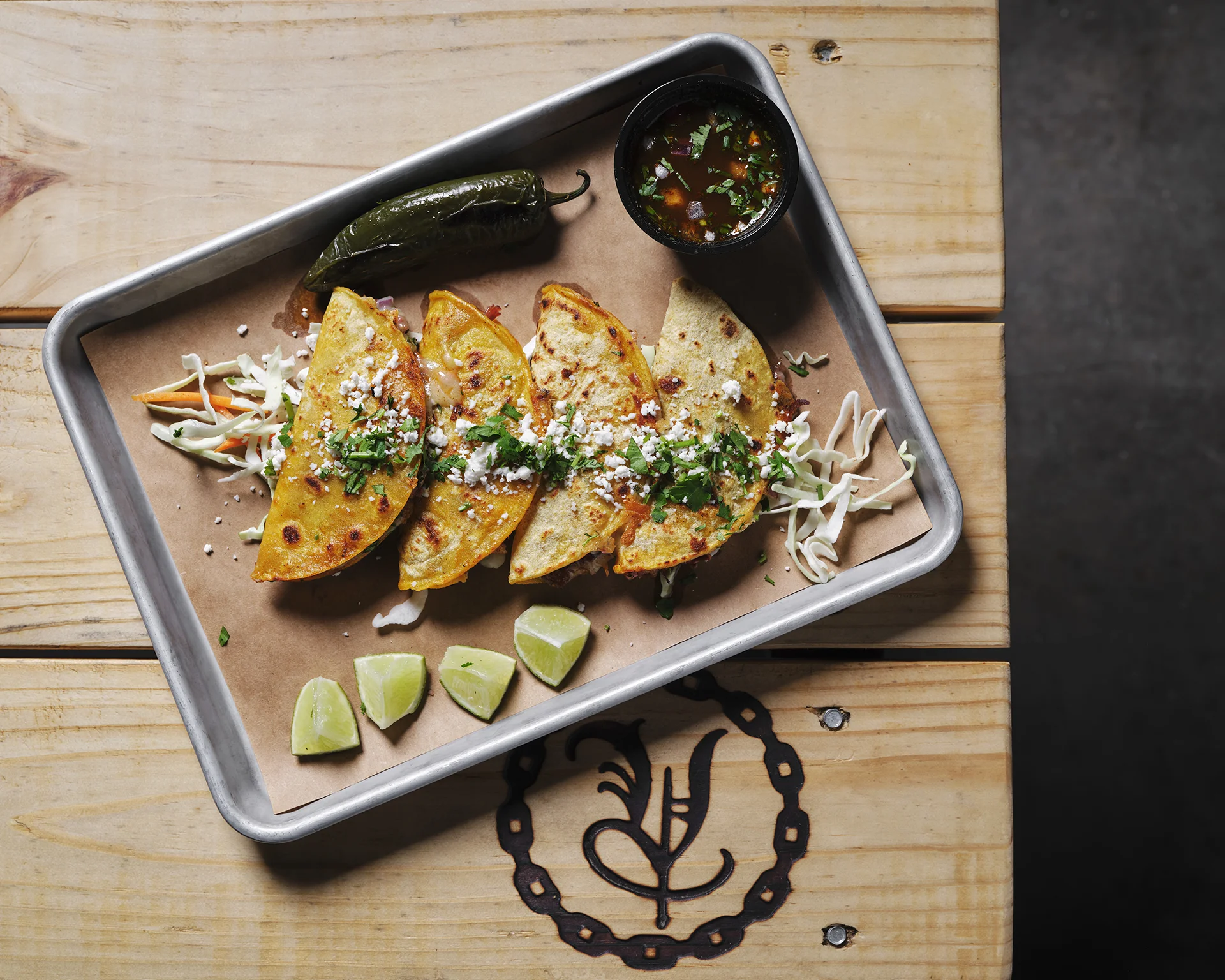
You’ll notice it the moment you step up to the counter, the smell of wood smoke, the hush around the pit, and folks swapping stories like it’s a family secret. Texas BBQ doesn’t just feed you, it stages an experience where slow-cooked brisket and hickory smoked ribs, regional quirks, and a pitmaster’s patience, built over more than 37 years of tradition, promise something worth the trip. Keep going and you’ll see how place, technique, and community turn smoked meats into a ritual, and you’ll understand why people flock to Vaqueros Texas Bar-B-Q.
Why Texas BBQ Feels Like a Culinary Pilgrimage
When you drive into a smoke-darkened lot and smell mesquite and oak before you see the pit, you’re not just arriving at a restaurant, you’re joining a ritual that’s been practiced for generations.
You step into a lineage where timing, temperature, and patience matter more than menu trends.
You watch low-and-slow cooking like a ceremony, experienced pitmasters tending coals, trimming fat, and wrapping meat at the precise moment.
You join a communal queue, trade tips with strangers, and learn local etiquette, how to order, which sauce is sacrilege, which cut is central.
That shared learning turns eating into participation.
You leave having witnessed craft passed down, feeling like you’ve earned a taste of place rather than merely bought a meal.
What Makes Texas Brisket Different
Look for brisket in Texas and you’ll notice it’s treated like a masterpiece, not just a menu item.
Pitmasters pick whole packer cuts, render fat with low, steady heat from wood, often oak or post oak, and smoke for hours so the connective tissue transforms into tender, sliceable collagen while a distinct smoky bark forms on the exterior.
You’ll see cooks trim fat to balance moisture and smoke penetration, then apply minimal seasoning, usually coarse salt and black pepper, so the beef’s flavor stands out.
Temperature control and patience matter more than sauces, and you’ll watch the stall and wait for the perfect probe feel that signals doneness.
When sliced brisket arrives, you’ll taste beefy richness, smoky depth, and a silky mouthfeel that keeps you coming back to Texas BBQ and classic smoked meats.
How Regional Styles Change What You’ll Taste
Brisket sets a Texas baseline, but regional styles steer your plate in very different directions.
You’ll notice how Central Texas leans on simplicity: salt, pepper, a long smoke, and beef-forward flavor that lets the meat shine.
East Texas offers a saucier, fork-tender approach, influenced by Southern barbecue where sweet, tangy glazes coat pulled pork and ribs.
In West Texas you might taste a slightly charred, direct-heat edge, with mesquite influence brightening beef and goat.
South Texas brings Mexican and ranching traditions, featuring spicier rubs, barbacoa techniques, and tacos that flip your idea of barbecue.
Coastal spots introduce citrus, jalapeño, and lighter sides.
Knowing these regional cues helps you pick joints and plates that match the flavor profile you want to chase, whether you’re after Texas BBQ brisket, hickory-smoked ribs, or other smoked meats crafted by a skilled pitmaster.
Wood, Smoke, and the Low‑and‑Slow Method
You’ll notice the smoke before you taste it, low, steady wisps that cradle meat for hours and glue flavor into every bite. You’ll learn how oak, hickory, and mesquite shift the profile. Oak gives balance, hickory adds bacon-like warmth, mesquite hits harder and faster, so you’ll pick wood to match the cut.
You’ll keep temps low, usually between 225–275°F, and let connective tissue break down slowly. That patience turns tough ribs and brisket into tender, sliceable meat. You’ll manage airflow and fuel, feeding coals and trimming bark to steady the burn. Resist rushing with higher heat or heavy sauce, the method rewards restraint, time, and subtle smoke for depth rather than theatrical flair.
Why Pitmasters Define Texas BBQ
Meet the pitmaster and you’ll see why Texas BBQ is more than a recipe, it’s a practiced craft.
You watch hands that learned heat, smoke, and timing through repetition, not instruction manuals. You learn to read a fire by feel, when coals breathe, when wood sighs, when meat begins to bloom. You’ll notice choices that matter, wood species, rub balance, when to spritz, made with instinct honed over years. You trust their judgment because they’ve tested variables you haven’t, turned failures into technique.
You see pride in maintenance of equipment and respect for ingredients, humility too, because smoke can humble anyone. In Texas, the pitmaster is a custodian of a living tradition, and your meal carries that accumulated care.
The Social Scene: Queues, Tables, and Rituals
Step up to the line and you’ll notice the mood more than the menu, long queues fold into neighborly chatter, strangers swap recommendations, and regulars nod like old friends.
You join a communal rhythm, order, wait, collect, and learn patience feels part of the flavor.
You claim picnic tables where conversations start easily, kids race between benches while adults trade stories about brisket bark and sauce debates.
You follow unwritten rituals, tipping the pitmaster with praise, bringing sides to share, and standing a respectful distance from the smoker.
You’ll see cameras and paper trays, hands stained with sauce, and smiles that say this is worth the drive.
You leave with more than meat, you take a shared memory.
Texas BBQ Regions and Top Destinations
Though Texas is one state, its barbecue scenes feel like distinct countries, each region has its own cuts, smoke techniques, and local legends you’ll want to taste.
In East Texas you’ll find brisket bark and chopped beef, often smoked long and served with sauce that soaks into soft bread.
Central Texas centers like Austin and Lockhart showcase dry-rubbed brisket, simple sides, and meat-first hospitality.
In the Hill Country, German and Czech influences shape sausage and pit styles.
West Texas uses direct heat over mesquite for a charred edge.
South Texas blends ranching traditions with Mexican flavors, spotlighting beef and barbacoa.
Stop at iconic joints, family-run pits, historic smokehouses, and award-winning competitions to sample each regional signature of Texas BBQ, from hickory smoked cuts to the smoked meats celebrated by local pitmasters.
Plan a Texas BBQ Road Trip
After sampling the distinct regional styles, from Central Texas brisket to South Texas barbacoa, you’ll want a plan that stacks must-see joints, travel time, and peak serving hours.
Start by mapping clusters of acclaimed spots so you minimize backtracking: Austin, Lockhart, and Taylor form one loop, Houston, Katy, and Beaumont another.
Prioritize places that sell out early and slot them first thing in the morning or on dedicated days.
Reserve accommodations near your midday targets to nap, cool off, and return if lines form.
Factor in drive times, allowing for unhurried roadside discoveries and shorter detours to smokehouses off the interstate.
Bring a cooler for leftovers, check holiday hours, and leave room for spontaneous recommendations from locals you meet along the way.
What to Order: Brisket, Sausage, Ribs, and More
When you walk into a Texas smokehouse, order the classics first, brisket, sausage, and ribs, then branch out to sides and regional specialties that show a pitmaster’s style.
You’ll want a slice of brisket with a dark bark and moist pink smoke ring. It’s the benchmark. Try both lean and fatty cuts to compare texture.
Add sausage, especially loose-chew jalapeño or peppered links, for spice and snap. Ribs should be meaty, with smoke that balances sweetness and savory rub.
Round your plate with sides, creamy potato salad, tangy coleslaw, buttery corn, and pit beans. Don’t miss chopped beef sandwiches, smoked turkey, or beef rib when available.
Order by what looks and smells best, let aroma guide you to great Texas BBQ and other smoked meats.
How BBQ Tourism Supports Local Communities
Ordering the classics at a smokehouse isn’t just about flavor, your choice helps local economies thrive. When you visit, you’re putting cash directly into family-run joints, independent suppliers, and nearby shops. You buy more than meat, you hire servers, fund pitmaster apprenticeships, and support farmers who raise heritage cattle and hogs. Choosing hickory smoked brisket and other smoked meats keeps demand for traditional techniques alive and sends money back into the community.
Your trip fuels festivals, guided barbecue tours, and tasting events that draw repeat visitors and media attention. That attention boosts lodging, gas stations, and retail in small towns. By leaving reviews and sharing photos, you amplify exposure and attract future guests. Choosing local spots over chains makes your meal an investment in community resilience, preserving traditions and creating steady, distributed economic benefit.