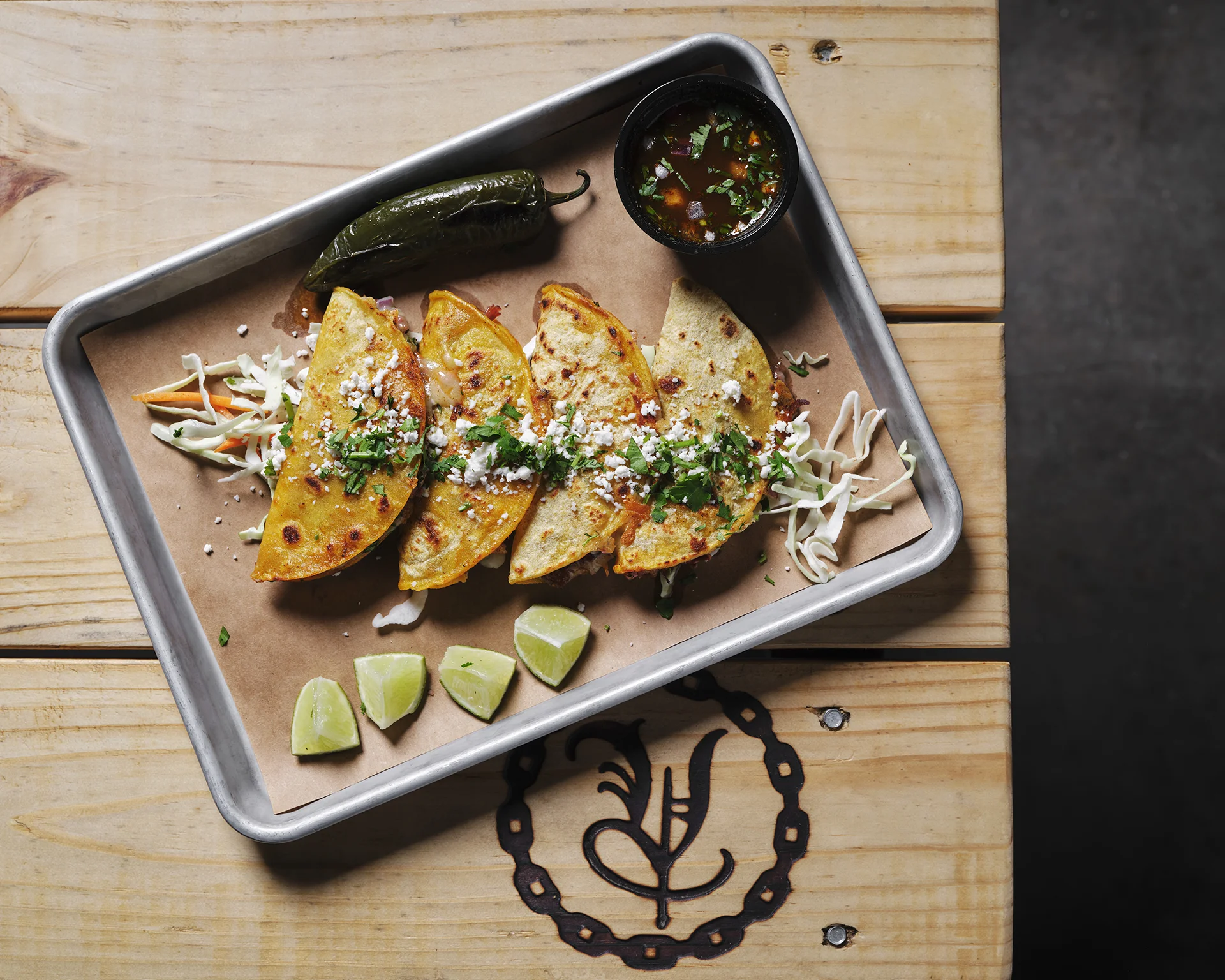
If you want to serve an authentic Cinco de Mayo spread, you should think beyond taco bars and margaritas. Consider regional staples such as Puebla’s mole, Yucatán’s cochinita, coastal ceviches, and the ingredients and techniques that give them depth. You can also draw inspiration from other culinary traditions, noticing how Cajun food and Cajun cuisine use bold spices and seafood in ways that parallel some Mexican coastal dishes. I will outline practical methods, shortcuts, and menu plans so you can host with confidence, and you will learn where these dishes come from and why they matter. Before that, here is a quick primer on regional variation and how flavors shift from inland moles to seaside ceviches and seafood preparations inspired by places like Razzoo’s Cajun Cafe.
Why Cinco De Mayo Food Varies by Region
Because Mexico’s regions developed different ingredients, climates, and cultural influences, the foods associated with Cinco de Mayo vary widely and those differences are obvious when you taste them.
Coastal areas favor seafood ceviches and tangy, citrus-forward sauces that reflect abundant fish and shellfish.
The central highlands lean toward hearty stews and slow-roasted meats that suit cooler temperatures and long cooking traditions.
Northern regions emphasize grilled cuts and flour tortillas born of cattle ranching, while southern states highlight corn-based staples, chilies, and indigenous cooking methods.
Migration, trade, and local celebrations shaped how dishes evolved, and the recipes you encounter mix practicality with history.
In some border areas, influences from Cajun cuisine and Cajun food traditions blend with Mexican seafood preparations, creating a lively fusion of spices and techniques.
When you choose where to eat or what to cook, the regional origin signals which flavors and culinary approaches you’ll experience.
Key Ingredients & Techniques Used in Cinco De Mayo Dishes
When you dig into Cinco de Mayo dishes, you’ll notice a few pantry staples and cooking methods that keep showing up. Fresh corn appears alongside dried and fresh chilies, and bright citrus and aromatic herbs often contribute lively flavors. Many preparations rely on masa and tortillas as foundational elements, while beans and rice provide balance and body. Cheeses and crema are used to add richness, and seafood sometimes plays a starring role in coastal variations.
Chilies such as ancho, guajillo, and serrano bring smokiness, fruitiness, or heat to sauces and salsas. Lime and orange are common accents that lift and brighten the overall flavor profile. Cooks char, toast, or grind spices to release essential oils, and they temper sauces with rendered fats for depth. Fresh herbs like cilantro and epazote commonly finish dishes to add freshness and complexity.
Simple techniques such as searing proteins, slow simmering, and quick pickling create authentic texture and bright contrast. The influence of other regional cuisines can appear on menus, and a Cajun restaurant or a kitchen influenced by Cajun cuisine may incorporate bold spice blends and hearty, seafood-forward elements.
Puebla: Mole Poblano – History, Method, and Shortcut Tips
Though mole poblano is often called Mexico’s signature sauce, it’s really a layered culinary story from Puebla that blends indigenous ingredients with Spanish and African influences.
You can trace its history in markets and monasteries where chiles, nuts, spices, chocolate, and day-old tortillas converged into a complex, savory-sweet sauce served over turkey or chicken.
The technique for making mole normally involves toasting whole spices and chiles, grinding them with toasted seeds and bread, and then simmering slowly with stock and a touch of chocolate for balance.
The deep flavor of mole builds gradually and rewards time and patience.
In some kitchens that blend regional traditions, mole shares a table with dishes influenced by Cajun cuisine and seafood preparations found in Cajun restaurants, reflecting how culinary cultures mingle and inspire one another.
For cooks pressed for time, shortcuts such as using toasted sesame, store-bought ancho and pasilla powders, and a quality mole paste or Mexican chocolate can help preserve authentic flavor without an all-day commitment.
Yucatán Classics: Cochinita and Traditional Sides
Plunge into Yucatán with cochinita pibil, a slow-roasted, achiote-bright pork that’s marinated in citrus and wrapped in banana leaves until it becomes fall-apart tender. The pork is served shredded, drizzled with its tangy juices, and topped with pickled red onions for a sharp contrast.
Warm corn tortillas, refried black beans, and fragrant rice scented with epazote or mild achiote provide classic accompaniments. Habanero salsa sits on the side so diners can control heat, and slices of fresh avocado or a simple cabbage slaw help cut the richness. Crisp fried plantains offer an authentic texture and a sweet counterpoint.
The citrusy, aromatic profile of Yucatán cuisine remains central, even when paired with influences from Cajun food or the bold flavors found in Cajun restaurants and seafood-focused Cajun cuisine.
Northern Mexico Grilling: Carne Asada and Parrillada Tips
Shifting from the citrus-bright, slow-roasted flavors of the Yucatán, Northern Mexico brings a different energy that emphasizes direct heat, smoke, and simple seasonings which let high-quality meats shine.
You’ll focus on primals such as flank, skirt, and short ribs, and treat them simply with coarse salt, cracked pepper, a light garlic rub, and perhaps a squeeze of lime at the end.
Get the grill screaming hot to achieve a sear that locks in juices and creates a smoky crust.
For a parrillada, staggered cook times work best so thicker cuts go on first while thinner or already-marinated pieces come on later.
Using charcoal or hardwood adds authentic smoke, and keeping a clean grate helps prevent sticking.
Let meats rest briefly before slicing them across the grain to preserve texture.
Serve the grilled meats with charred salsa verde, grilled onions, and warm tortillas alongside options that echo Cajun cuisine and seafood influences often found in a lively Cajun restaurant.
Cinco De Mayo Street-Food Staples: Tacos, Elotes, Tortas
Plunge into Cinco de Mayo street-food staples and you’ll find tacos, elotes, and tortas that showcase bold, ready-to-eat flavors built for crowded sidewalks and festive nights. You grab tacos piled with grilled meats, fresh cilantro, diced onion, and a squeeze of lime, and their handheld form makes them instant flavor hits you can eat on the move.
You bite into elotes—charred corn slathered with mayo, cotija, chili powder, and lime—where smoky sweetness meets creamy heat. You press into tortas, hefty sandwiches layered with sliced avocado, pickled jalapeños, refried beans, and savory fillings like milanesa or carnitas, and they deliver a complete meal in one portable package.
The vibrant scene sometimes blends with nearby Cajun cuisine offerings, where seafood boils and spicy, roux-based dishes from a Cajun restaurant add another layer of communal, festive flavor. These street foods keep the celebration lively, communal, and delicious.
Family May 5th Dishes: Pozole, Tamales, and Cultural Meaning
Gathered around the table, families often share pozole and tamales as the centerpiece of Cinco de Mayo meals.
Pozole’s rich, hominy-studded broth—usually red, green, or white—brings people together with slow-simmered pork or chicken and a ritual of toppings.
Tamales are steamed masa pockets filled with savory or sweet fillings and wrapped in corn husks, and they carry generations of hands-on techniques and memories.
Elders stir, season, and share stories as everyone ladles pozole into bowls and adds cilantro, radish, lime, and shredded cabbage.
Tamales demand teamwork in their preparation and reward patience with moist, flavorful bites.
These dishes aren’t just food; they’re living links to family, history, and communal celebration that sit comfortably alongside other regional cuisines, from Cajun food and seafood plates to the hearty offerings of Cajun cuisine found in a local Cajun restaurant.
How to Plan an Authentic Cinco De Mayo Menu at Home
Planning an authentic Cinco de Mayo menu begins with choosing a balance of regional flavors, such as a warm pozole or mole as a centerpiece complemented by lighter sides like esquites or a fresh nopales salad, and it can also incorporate elements from Cajun cuisine or seafood preparations to add a Creole twist.
Select one show-stopping main course, two to three accompaniments, and a dessert and beverage that reflect Mexican traditions while allowing room for complementary Cajun food influences. Prioritize seasonal ingredients and scalable recipes so you aren’t stuck in the kitchen all day, and consider how Cajun restaurant-style spices or a seafood component might enhance certain dishes.
Assign cook-ahead tasks by simmering broths, making salsas, and preparing dough the day before, and prepare garnishes such as lime, radish, cilantro, and queso fresco so they’re ready for quick assembly.
Offer one nonalcoholic option like agua fresca and one spirited choice such as a classic margarita, and arrange simple service stations to ensure an easy flow for guests.
Where to Learn More: Regional Cooks, Markets, and Resources
To dive deeper into regional Mexican cooking, follow cooks and markets rooted in the regions whose flavors you want to recreate, such as Yucatecan chefs for achiote and citrus-forward dishes, Oaxacan cooks for mole and tlayudas, and Veracruz or Baja seafood specialists for coastal techniques.
Seek cookbooks by regional authors, subscribe to food blogs, and follow reputable social accounts that show techniques step by step. Visit local Mexican markets to learn ingredient names, seasonal produce, and masa varieties from vendors who’ve inherited knowledge.
Take workshops at community cultural centers or culinary schools that offer regional modules. Watch documentary series that profile state cuisines, and consult scholarly or museum resources for historical context.
Explore Cajun cuisine and seafood traditions alongside Mexican coastal techniques to understand shared approaches to spice, smoke, and brine. Keep a notebook of recipes, substitutions, and vendor contacts so you can replicate authentic flavors reliably.