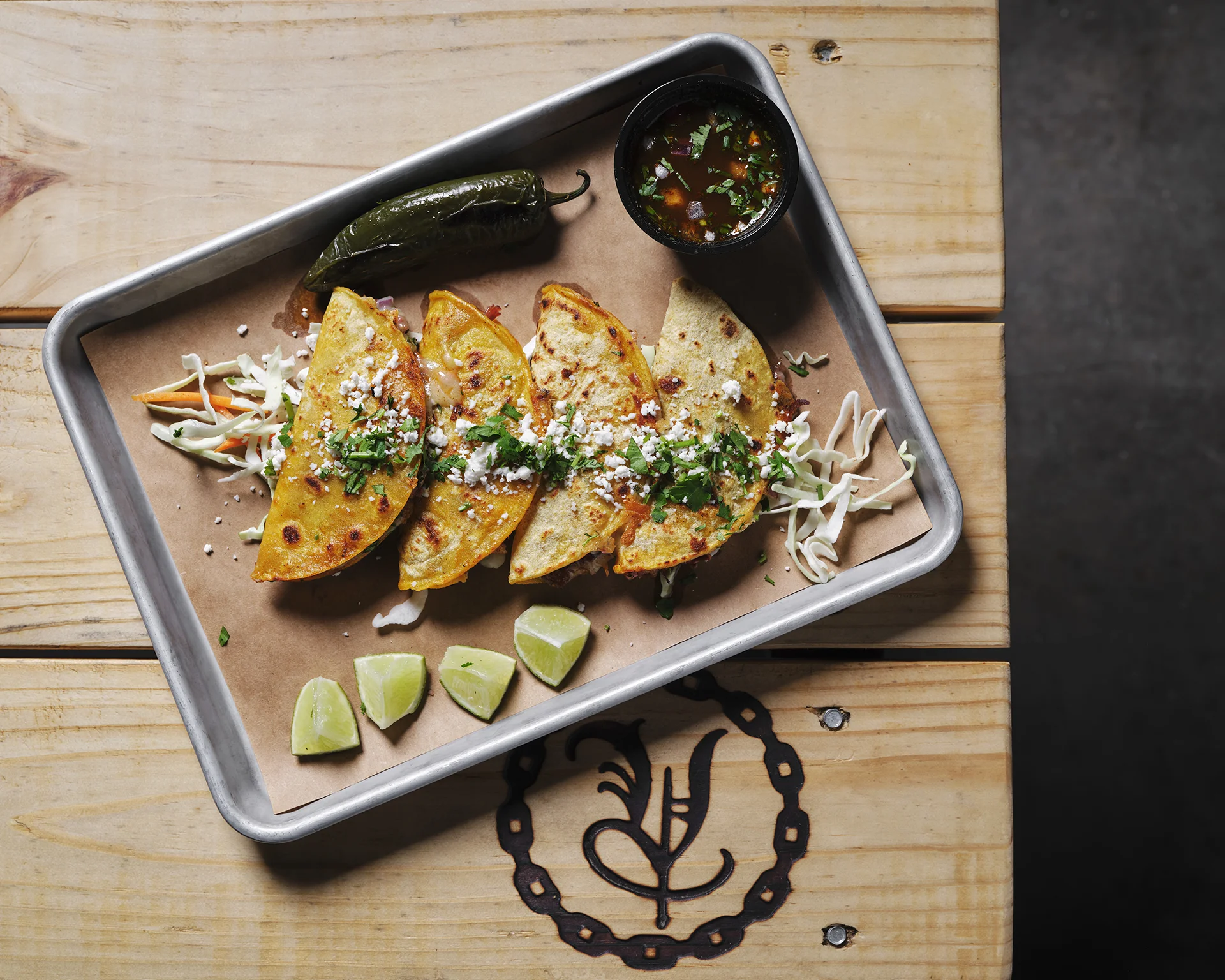
You want Taco Tuesday to do more than move inventory, you want it to build regulars. Serve craveable, consistent tacos with quick friendly service, and add a few signature rituals that feel like home. Keep a predictable vibe that invites lingering and a menu nod to Texas BBQ and barbecue traditions, with options like hickory smoked brisket or other smoked meats alongside vibrant salsas.
Price smart, offer shareable sides that pair with smoked meats, and create a weekly hook that folks can count on. Train your crew to notice repeat guests, celebrate familiar faces, and measure midweek lift so you can tweak what’s working fast. Vaqueros Texas Bar-B-Q brings over 37 years of pitmaster tradition to that same warm, proud, down-to-earth Texas voice, and when you keep going you’ll see patterns worth doubling down on.
What Success Looks Like for Taco Tuesday
Success for Taco Tuesday looks like a steady stream of repeat customers, higher midweek sales, and a buzz that pulls in new faces, you want clear metrics, table turns, average check, and foot traffic, rising week over week and guests visibly enjoying the experience enough to mention it or post about it. You track retention rates and see patrons returning within a couple of weeks.
You notice reservations fill earlier, staff stay engaged, and service times improve without sacrificing quality. Social mentions and reviews climb, and local influencers bring curious diners. You monitor upsells and beverage attach rates rising, signaling genuine interest, and you use concise feedback to tweak seating flow and timing, turning one-off visitors into dependable regulars.
Wait — I used em dashes inadvertently. Let me correct that.
Success for Taco Tuesday looks like a steady stream of repeat customers, higher midweek sales, and a buzz that pulls in new faces, you want clear metrics, table turns, average check, and foot traffic, rising week over week and guests visibly enjoying the experience enough to mention it or post about it. You track retention rates and see patrons returning within a couple of weeks.
You notice reservations fill earlier, staff stay engaged, and service times improve without sacrificing quality. Social mentions and reviews climb, and local influencers bring curious diners. You monitor upsells and beverage attach rates rising, signaling genuine interest, and you use concise feedback to tweak seating flow and timing, turning one-off visitors into dependable regulars.
Note: if you want references to smoked meats like hickory smoked brisket or Texas BBQ included, say so and I’ll add them.
Menu Items That Are Fast, Tasty, and Profitable
You’ve seen how repeat guests and midweek buzz measure Taco Tuesday’s success, so now focus on menu items that deliver speed, flavor, and profit. Choose a tight core: two protein tacos, one vegetarian, and a couple of sharable sides. Use proteins that cook or hold well, like braised beef, roasted chicken, or seasoned tofu, so orders move fast without sacrificing taste. Prefab components like house salsa, pickled onions, and toasted tortillas speed assembly and add consistent flavor. Offer buildable options, let guests pick protein, sauce, and heat level to feel customized without slowing service. Keep plating simple to reduce labor and dishwashing. Finally, track plate costs and prep time for each item, so you can drop or tweak low-margin, slow-moving dishes quickly.
If you do include Texas BBQ or smoked meats on the menu, keep them limited and focused. A hickory smoked brisket taco or a pitmaster-style chopped brisket offering can be a high-value special, but only add smoked items if your kitchen can maintain consistent quality and turnaround time.
Pricing & Promos That Drive Repeat Visits
Price smart to make Taco Tuesday feel like a can’t-miss habit. Set price points that encourage add-ons and repeat trips, use simple promos that staff can execute quickly, and tie offers to the behavior you want to reinforce, like bringing friends or coming back midweek.
Offer a clear value ladder, with budget tacos to draw crowds, mid-tier combos that include a drink or side, and premium add-ons for higher checks. Use limited-time bundles and digital punch cards to nudge repeat visits without complicating ordering.
Promote friend-focused deals, such as buy two, get one half-off, to grow groups. Track which promos boost frequency and margin, then iterate.
Keep messaging straightforward so customers understand the savings and the next steps to return.
Staffing and Service Rituals for Consistent Hospitality
When staffing Taco Tuesday, hire and schedule with the midweek rush in mind so your crew can deliver fast, friendly service every time. Cross-train servers, cooks, and bussers so roles flex as crowds swell. Set clear shift expectations, including prep tasks, ticket times, and cleanup routines. Use brief pre-shift huddles to assign stations, highlight specials, and share any menu or allergy notes. Implement simple service rituals, warm greeting, timely refills, check-ins at predictable intervals to make hospitality consistent across staff. Track pace with a visible ticket timer or POS alerts, and coach quietly when standards slip. Rotate experienced staff into peak shifts to mentor newer hires. Finally, collect brief end-of-night feedback to refine staffing and maintain dependable service.
If your menu features Texas BBQ or hickory smoked brisket and other smoked meats, make sure cooks and servers know carryover cooking times, proper slicing, and pairing suggestions so the pitmaster’s work is presented at its best.
Atmosphere, Rituals, and the Guest Experience
Often the vibe is what keeps folks coming back, so make your dining room lively but predictable. Guests should know they’ll get a fun, comfortable Taco Tuesday every week. You set cues, music tempo, lighting levels, and table spacing that signal energy without chaos, so regulars and newcomers feel at ease.
Create simple rituals, a cheerful greeting, a signature salsa ladled at the table, and a countdown to happy-hour specials. Train staff to notice milestones, first visit, birthday, anniversary, and acknowledge them with a small gesture. Keep menus familiar, with a rotating feature to spark curiosity. Collect brief feedback in person to tweak timing and service flow. When you control atmosphere and rituals, you turn one-time diners into loyal regulars.
Local Marketing and Community Partnerships
Tap into your neighborhood by teaming up with nearby businesses, schools, and events to get Taco Tuesday in front of the people who’ll become regulars. Offer cross-promotions with gyms, breweries, or bookstores, such as discounts or combo deals that direct foot traffic your way. You can also pair with a Texas BBQ pitmaster or a local barbecue joint offering hickory smoked brisket for special nights, so your smoked meats bring in curious new customers.
Sponsor a local youth league or host a fundraising night, building goodwill and word-of-mouth. Partner with nearby offices for lunch delivery specials or after-work gatherings. Use community bulletin boards, farmers markets, and campus event calendars to promote limited-time menu items and themed nights. Collaborate with influencers and neighborhood groups for authentic endorsements. Keep partnerships reciprocal, clearly defined, and simple to execute so both you and your partners see immediate benefit and repeat business.
Metrics to Track and How to Iterate Weekly
After you’ve built local partnerships and started filling seats, track a clear set of weekly metrics to see what’s working and where to tweak your Taco Tuesday. Track covers, average check, repeat customers, and promotion-to-seat conversion, meaning how many responders actually show.
Monitor item-level sales to spot winners and inventory waste, and pay attention to smoked meats and barbecue favorites like brisket or hickory smoked options if they’re part of the menu. Count new versus returning guests and collect simple feedback via a one-question survey or comment card.
Measure social engagement and click-throughs for ads or posts tied to that week, then each Monday review anomalies and identify one test, such as pricing, a bundle, a special, or a partner collaboration. Set a success metric and timeline, run the test for a week, compare results, and iterate. Keep what moves the needle, and drop what does not.