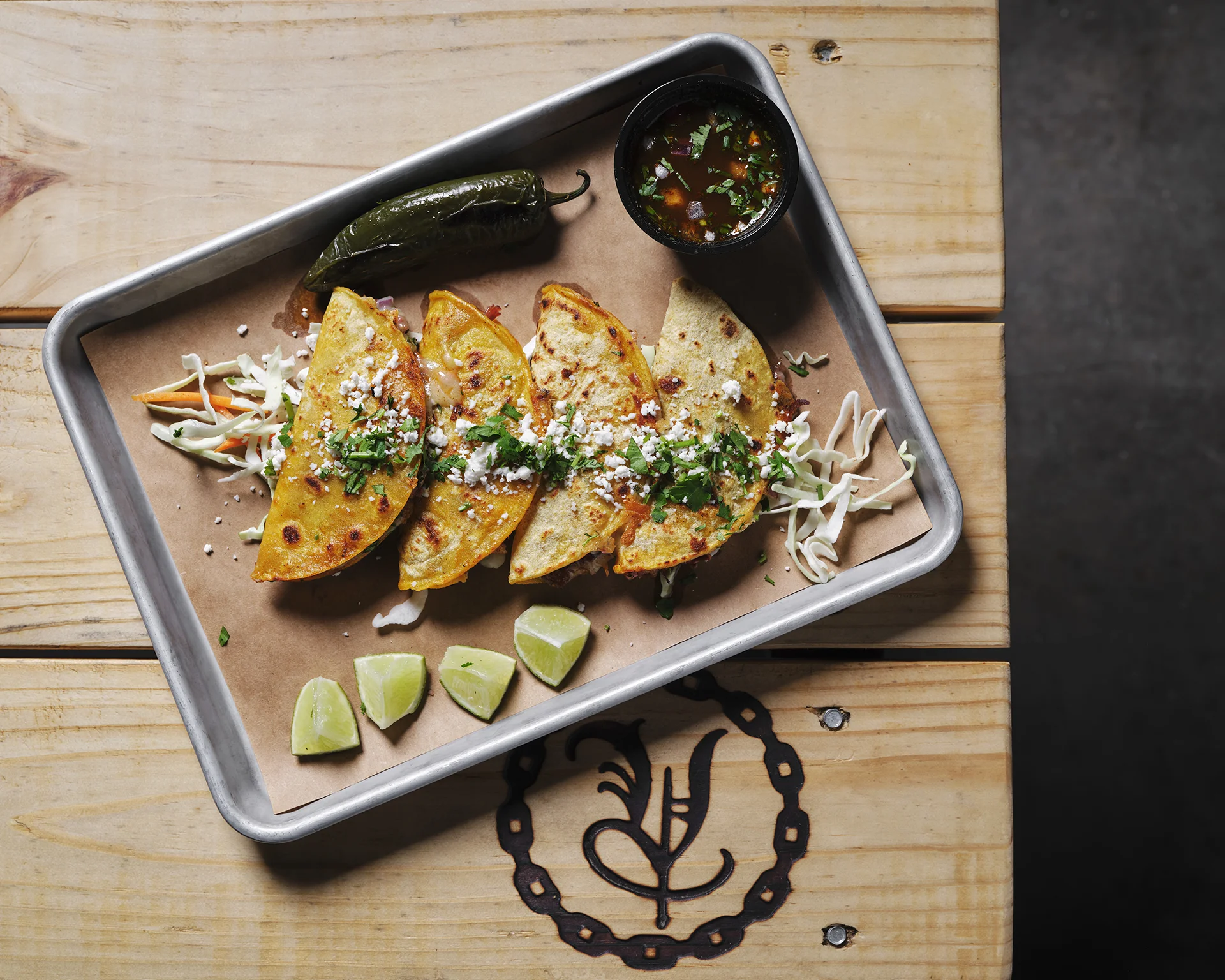
You’ll find birria tacos slide naturally into a barbecue menu because they layer slow-smoked, collagen-rich meat with a concentrated, spicy jus that echoes barbecue’s savory-smoke profile while adding bright chile and vinegar notes. In Texas BBQ fashion, smoke the meat first and then braise it low and long, crisping the tortillas in rendered fat so the charred edges stand up next to brisket and ribs. With over 37 years of pitmaster tradition, we speak proudly and plainly about hickory smoked flavors and smoked meats that bring that deep, soulful taste to every bite. Vaqueros Texas Bar-B-Q knows how those bold, simple elements fit together, and the workflow and tweaks make birria a kitchen winner.
Why Birria Works on a BBQ Menu
Because birria combines slow-smoked, deeply seasoned meat with a rich, spicy consommé, it fits naturally on a BBQ menu and gives your lineup a bold, comforting option that still feels familiar to grill lovers.
You’ll tap into smoky cooking techniques you already use, then layer bright chiles, garlic, and warm spices to deepen flavor without overcomplicating prep. Guests appreciate the tactile joy of dipping a crisped tortilla into concentrated jus, so you’ll increase perceived value with minimal extra cost.
Birria’s versatility lets you serve it as tacos, sliders, or plated entrees alongside brisket and ribs, letting you cross-promote items and repurpose leftovers. It works alongside Texas BBQ and other hickory smoked or smoked meats offerings, giving pitmasters a standout, craveable item to add to the barbecue lineup while keeping service efficient and authentic.
Quick Birria-for-BBQ Workflow
Now that you’ve seen how birria fits a BBQ lineup, let’s map a quick workflow that keeps smokehouse efficiency while delivering that rich, dipped-taco experience.
Start by scheduling a long braise overnight or early morning, so the meat rests and firms for shredding. While the meat braises, prepare a concentrated consommé, reduce the braising liquid to intensify flavor and skim fat for a cleaner dip. Reserve a portion hot for service, cool the rest for finish sauces.
When the meat is tender, shred to order to retain texture. Hold warm in a low oven in perforated hotel pans over a shallow consommé bath to prevent drying. Fry tortillas and dip them into consommé just before filling. Set a speedy assembly station with tortillas, cheese, shredded meat, salsa, and lime, and serve hot and fast.
This workflow works well alongside Texas BBQ and other smoked meats, whether you’re running a pitmaster lineup with hickory smoked brisket or featuring birria as the on-deck star.
Best Cuts for BBQ-Friendly Birria
Choose cuts that stand up to long, moist cooking and still shred into juicy, flavorful strands, think chuck, short rib, and beef shank as your go-tos.
You’ll get collagen-rich pieces that break down into silky textures, giving tortillas a hearty mouthfeel without drying.
Brisket works if you trim wisely.
Leaner top rounds and sirloin won’t perform the same unless combined with fattier cuts.
Opt for bone-in when possible, marrow adds depth and keeps meat tasting robust.
For portion control and yield, boneless chuck is economical and consistent.
If you want a touch of luxury, include some short rib for richness.
Match cut selection to service speed and guest expectations, and you’ll deliver dependable, crowd-pleasing birria that pairs well with barbecue and smoked meats, especially if you’re working a Texas BBQ or hickory smoked flavor profile as a pitmaster.
Smoke, Spice, Braise: Step-by-Step Plan
When you want birria that sings of smoke and spice, plan a workflow that layers flavors deliberately: smoke the meat briefly to add char and depth, toast and grind chiles and spices for a bright, fresh rub, then braise low and slow in a seasoned consommé until the meat pulls apart.
Start by trimming and salting, then send the roast to a smoker for 30, 60 minutes to pick up color and smoke without drying.
Meanwhile toast guajillo, ancho and aromatics, grind them, and mix with garlic, cumin, oregano and vinegar to form a paste.
Sear the rubbed meat to seal flavors, then submerge in consommé with bay and cinnamon.
Maintain a low braise, around 275°F, until fork-tender, then rest before shredding.
Finishing for Crispy, Charred Taco Edges
With the meat shredded and the consommé reduced, shift your focus to crisping and charring the tacos so each bite balances tender, juicy birria with crunchy, smoky edges.
Heat a heavy skillet or griddle until very hot, and brush tortillas lightly with rendered fat or oil to promote browning. Dip one tortilla briefly into the consommé for flavor, then add meat and fold.
Press gently with a spatula, letting edges caramelize and blister, and flip once for even charring. For extra crisp, finish under a hot broiler for 30 to 60 seconds, watching closely.
Rest the tacos on a wire rack to keep crispness from steaming. Aim for contrast: soft interior, charred rim, and a hint of consommé-soaked richness without sogginess.
If you like smoky notes, use a fat rendered from hickory-smoked brisket or other smoked meats to brush the tortillas for an authentic, pitmaster-approved touch.
Service Formats: Street Tacos and Saucy Platters
Decide how you want to present your birria, lean into handheld street tacos for quick, interactive service or go full saucy platter for a communal, knife-and-fork experience.
If you choose street tacos, portion braised meat into small corn tortillas, keep them warm, and let guests assemble quickly at a service station, this speeds turnover and encourages bar-side snacking.
For saucy platters, plate generous portions of shredded birria with plenty of braising liquid, roasted aromatics, and charred bits, so diners can slice, share, and savor slowly.
Match plating to service flow, tacos suit fast-casual counters and pop-ups, while platters fit sit-down evenings where pacing and presentation matter.
Both formats highlight smoky, tender meat, pick the format that fits your operation.
Sides and Sauces for Birria Tacos
Round out your birria offering by pairing the rich, braised meat with sides and sauces that cut through the fat, add texture, and invite repeat bites.
Offer pickled onions and jalapeños for bright acidity and crunch, they revive the palate between bites.
Serve crisped street corn or a charred cabbage slaw to introduce smoky sweetness and a fresh contrast.
Include simple sides like cilantro-lime rice or black beans to ground the plate without stealing focus.
For sauces, present a silky consommé for dipping, a tangy salsa verde, and a smoky chipotle crema, each highlights different flavor angles.
Label spice levels clearly, and provide lime wedges and chopped cilantro so diners customize brightness and herbaceousness to taste.
If you also feature Texas BBQ or other smoked meats on the menu, consider offering a small hickory-smoked brisket share to echo those deep, charred flavors alongside the birria.
Scaling Birria for Backyard Cooks and BBQ Caterers
Those sides and sauces will give your guests reason to keep coming back. If you’re serving birria for a backyard crowd or a catered event, scale the recipe and process to match the volume. Start by multiplying protein by headcount, plus a 10 to 15% buffer for seconds. Use whole-muscle cuts such as chuck or brisket that shred consistently, and buy them in larger primals to reduce trim loss. For larger cooks, shift to hotel pans and full-size stockpots. One 12 to 14 pound pot feeds roughly 20 to 25 people when paired with sides.
Batch your adobo and consomé, blend, strain, and portion into heatproof containers. Delegate tasks, one person handles shredding, another manages taco assembly, and someone watches seasoning. Keep simple yield notes so you can tweak quantities next time.
If you come from a Texas BBQ or pitmaster background, these same principles apply to smoked meats and hickory smoked brisket—scale with the cuts you trust and plan equipment and labor around the final guest count.
Make-Ahead, Reheating, and Day-of Workflow
Planning your make-ahead timeline and day-of workflow helps you serve hot, flavorful birria without last-minute chaos, so map tasks by time and temperature. Decide what cooks low and slow overnight, and what finishes on the grill or stove.
Start by braising meat a day ahead. Cool, skim fat if desired, then refrigerate in its cooking liquid to concentrate flavor.
The next morning, gently reheat the pot on low or in a 275°F oven until the jus is glossy and the meat shreds easily. If you smoke other proteins the same day, such as brisket or other smoked meats, time reheating so the flavors complement one another.
Day-of, pull tortillas and warm them on a cast-iron or plancha. Crisp folded tacos briefly to meld cheese and meat.
Keep jus warm in a small insulated container for dipping. Assign one person to plating and one to replenishing sides, so service runs smoothly and everyone stays on task.
Common Problems and Quick Fixes
If your birria turns out dry, bland, or greasy, you can usually fix it without starting over. First check the sauce concentration, seasoning, and fat level, then adjust.
If the meat is dry, simmer it briefly in reserved consommé or a splash of beef stock to rehydrate and help melt connective tissue, and cover to trap steam. For blandness, add a pinch of salt, a squeeze of lime, and a teaspoon of vinegar or roasted chile powder to brighten flavors. If the sauce is too thick, thin it with warm stock. If it’s too thin, reduce it gently or whisk in a small roux. To cut greasiness, chill and skim the fat, or blot the surface with paper towels. Taste as you go and correct gradually to avoid overshooting.
If you like smoky, barbecue-like notes you can finish the braise with a touch of hickory smoked seasoning or fold in a small amount of brisket jus from smoked meats for extra depth. A careful pitmaster approach — low and slow adjustments and patient tasting — will get you back on track without masking the dish’s original character.