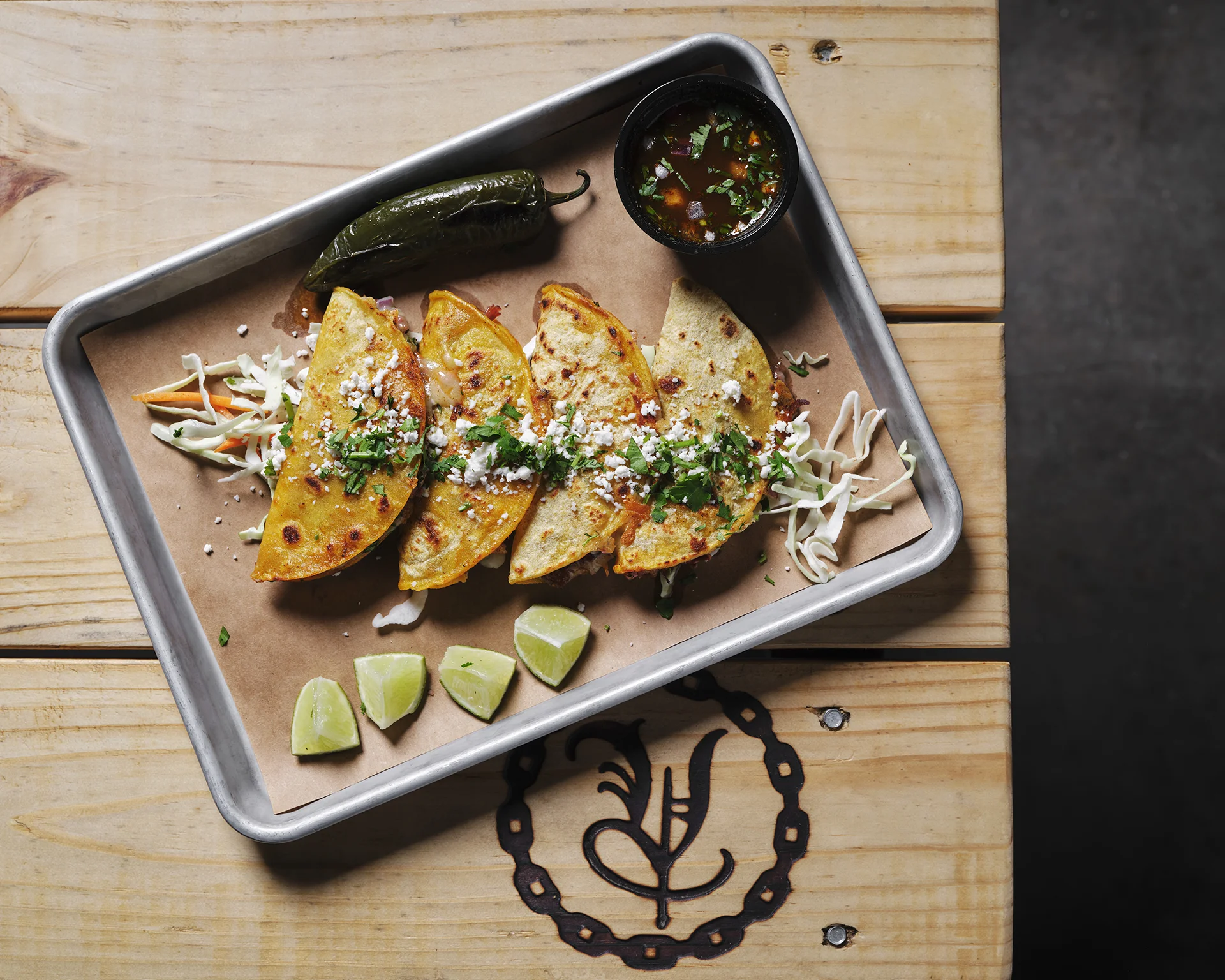
You see tradition not as a set of untouchable rules, but as a toolbox — honed by more than 37 years of pitmaster tradition. Low-and-slow discipline, salt-and-pepper basics, and a respect for bark and smoke guide every choice in Texas BBQ and in our brisket and hickory smoked offerings. Pitmasters keep those anchors while testing wood blends, sustainable sourcing, and subtle global spices, teaching newcomers by example. That balance keeps the craft of barbecue and smoked meats alive and useful, and it raises a question about where you’d draw the line. Vaqueros Texas Bar-B-Q stands proudly in that lineage, carrying the same warm, down-to-earth spirit.
What “Tradition” Means in Texas BBQ (And Why It Matters)
Tradition in Texas BBQ isn’t just nostalgia, it’s a living set of choices that guides how meat is seasoned, smoked, and shared. It matters because those choices shape flavor, community, and identity.
You learn tradition as a practical code: which cuts get pride, when to salt, how rubs complement smoke, and why pit placement matters. You respect patterns passed down by pitmasters, but you also see them as tools, not dogma.
Tradition teaches you to read meat, manage heat, and serve portions that honor guests. It ties you to place and people, signaling belonging through taste and ritual. When you follow these conventions, you’re preserving a culinary language that connects generations without freezing it in time.
Low‑And‑Slow: The Technique That Anchors Innovation
If tradition gives you the rules and rhythms of Texas BBQ, low and slow is the technique that makes those rules sing. You learn patience at the pit, steady temps, gentle smoke, and time let connective tissue soften and flavors deepen.
That disciplined tempo isn’t about resisting change, it frames experimentation. When you tweak wood blends, rubs, or mopping liquids, the long cook reveals subtle shifts instead of hiding them. You monitor bark, probe for that perfect give, and adjust vents or fuel with intention.
Cuts And Cattle: Sourcing, Seasonality, And Sustainable Choices
When you’re choosing meat for Texas BBQ, you start with the animal and the season as much as the recipe. You look for breeds known for marbling and flavor, heritage cattle when available, and favor whole cuts that showcase the smoke. You buy from regional ranchers who rotate pastures, reduce transport, and prioritize animal welfare, which supports local economies and yields meat with clearer, fresher taste.
Match cuts to timing: brisket in cooler months, leaner steaks and fresh flank in warmer seasons, and adjust cook length and fire accordingly. You compost trimmings, minimize waste, and choose suppliers transparent about feed and antibiotics. Those choices keep barbecue tradition honest while making hickory smoked and other smoked meats ecologically and ethically sustainable.
Modern Rubs And Global Flavors : Respecting Lineage While Experimenting
While you honor the classic salt-pepper-smoke backbone of Texas BBQ, modern rubs let you layer global accents, smoked paprika, sumac, Chinese five-spice, or ground coffee, without erasing that core identity.
You balance restraint and curiosity, applying small doses so the meat and smoke remain primary.
You match accents to cuts, citrusy sumac brightens brisket’s richness, coffee deepens fatty short ribs, and five-spice adds warm complexity to pork shoulder.
You test blends on small batches, noting how heat and time change flavors, and then adjust salt and sugar to protect bark formation.
You credit lineage by keeping smoke and simple seasoning central, while using international spices as respectful collaborators rather than replacements.
That way tradition guides innovation, not the other way around.
Smoke And Sensors: Tech, Equipment, And Food Safety In The Pitroom
Because great barbecue now blends instinct with instrumentation, your pitroom should pair traditional smoke craft with reliable tech and strict food-safety practices. Use wireless meat probes and ambient thermometers to hold steady temperatures, reducing guesswork and over-smoking, and helping you hit the perfect bark on brisket and other hickory smoked meats. Invest in calibrated thermometers and timely maintenance for smokers, so readings stay trustworthy. Use extraction and ventilation to control smoke density and protect staff health.
Implement color-coded tools, clear labeling, and digital logs to track cook times, temperatures, and cooling steps. Those measures help during audits and prevent cross-contamination while keeping Texas BBQ standards consistent. Sanitation stations and scheduled deep cleans keep surfaces and water pans safe, and tech should be embraced as a helper, not a replacement for the pitmaster’s senses, so your smoked meats stay both delicious and compliant.
Pitmasters Today: How Younger Cooks Learn From Elders
As you stand beside an elder pitmaster watching the smoke roll and fingers read the bark, you pick up lessons no manual can teach. You learn how to sniff out a stall, coax a cooler fire back to life, and know when to rest a brisket just by feel. You watch subtle hand motions and hear stories threaded with cautionary mistakes, and you learn timing that sensors can’t replicate.
Elders pass down shortcuts, seasoning ratios, and the patience to wait for perfect tenderness. You practice under their eye, take on small shifts, then bigger nights, trading questions for critiques. Respect guides the exchange, you don’t replace tradition, you translate it, adapting techniques while keeping core standards alive for the next generation. Along the way you absorb the language of Texas BBQ, the rhythm of hickory smoked pits, and the quiet craft of smoked meats that make a pitmaster.
How To Tell If A Texas BBQ Spot Honors Tradition And Embraces Change
Watching elders teach you the ropes makes it easier to spot a pit that respects history while remaining open to change.
You’ll notice cooks using time-honored techniques, like careful wood selection, low-and-slow timing, and hand-rubbed spice, while also experimenting with new cuts, sustainable sourcing, or updated equipment.
Look for menus that honor Texas BBQ classics such as brisket and hickory smoked smoked meats, but add a thoughtful twist, staff who can explain both tradition and innovation, and consistent smoke flavor, alongside creative sides.
Respectful signage, community events, and mentoring programs show cultural continuity.
If the place adapts to dietary needs, uses more local produce, or invests in cleaner operations without erasing its origin story, it’s balancing reverence and progress.
Trust your palate and ask questions, authenticity reveals itself in practice, not posturing.