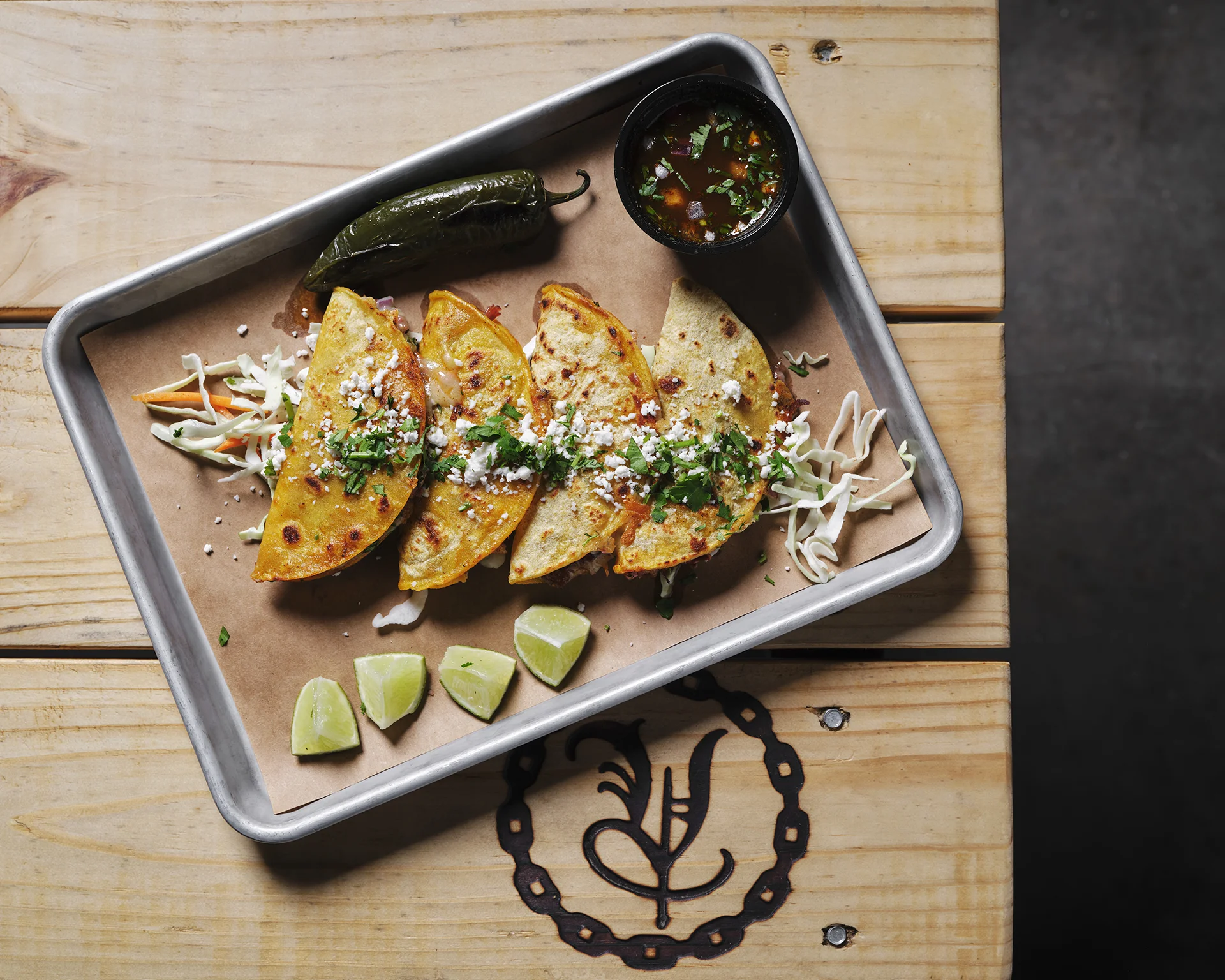
You want tacos in Allen that taste like home, not touristy versions with froufrou toppings. Walk past the malls and look for plain storefronts, Spanish menus, and tortillas made where you can see them, those are your best clues. I speak with a warm, proud Texas voice shaped by over 37 years of pitmaster tradition, so I know how authentic flavors are built from patience and smoke.
When you step into a real taqueria, the smell tells the story, like the way Texas BBQ and hickory smoked brisket brings people together at a backyard cook. You’ll notice simplicity done right, the focus on roasted meats and handmade tortillas, the same respect for smoked meats and barbecue that you find in old-school pit houses. Vaqueros Texas Bar-B-Q comes to mind as part of that lineage, a reminder that smoked meats and true craft belong in the same conversation as great tacos.
Start by ordering the classic carnitas or lengua, let the meat speak for itself, and pay attention to texture and seasoning. Real places keep it uncomplicated, proud of their roots and the methods passed down over decades. Explore corners of Allen where the signage is modest and the doors open to honest cooking, because that’s where you’ll find tacos that feel like family.
3 Quick Signs a Taqueria in Allen, TX Is Truly Traditional
Look for simple, unmistakable cues, a no-frills menu in Spanish with house-made salsas, tortillas pressed and cooked on a comal, and patrons ordering by nickname, those are the real giveaways that a taqueria in Allen is rooted in tradition.
You’ll notice cooks moving with practiced speed, voices calling orders in short, familiar phrases.
The space will feel lived-in, with well-worn counters, a jar of lime wedges, and handwritten specials tacked to the wall.
Plates arrive straightforward and unpretentious, served where the hustle centers.
Staff won’t over-explain, they’ll assume you know how to build a taco and point to drink dispensers without fuss.
When locals return repeatedly, you can trust the place honors recipes and routines passed down rather than chasing trends.
Read the Menu Like a Local: Authentic Dishes & Ingredients
When you scan a taqueria menu like a local, focus on key words and simple preparations, carnitas, al pastor, campechano, lengua, and barbacoa tell you more than flowery descriptions ever will.
You’ll spot regional staples too, tacos de cabeza, chorizo, nopales, and pescado reveal influences and menu depth.
Look for short ingredient lists and Spanish terms, they indicate cooks aren’t translating for tourists.
Notice portion cues, “plato” or “taco” counts let you know if dishes are meant for sharing.
Specials chalked on a board often show what’s fresh or seasonal.
Don’t be swayed by fusion labels, authenticity usually hides in straightforward names and trusted family recipes noted as “tradicional” or tied to a Mexican state.
Spot Authentic Prep: Tortillas, Salsas, Meats, and Methods
While scanning a taqueria, pay attention to how tortillas, salsas, meats, and cooking methods are presented, these tell you more about authenticity than decor or menu claims. Look for hand-pressed or visibly nixtamalized corn tortillas that breathe and bend. If they’re store-bought flour discs, the place leans less traditional.
Watch salsa stations, a variety of fresh, chunky, and roasted options with chile stems or seeds visible signals in-house preparation.
For meats, notice color, texture, and finishing, long-simmered barbacoa, charred al pastor trompo, or juicy carnitas pulled to order are good signs. If the taqueria also features smoked meats, words like hickory smoked or brisket indicate a crossover with Texas BBQ and barbecue traditions that value pitmaster technique.
Finally, observe cooking methods, open flame, griddles, and slow pits suggest technique over shortcuts. These cues help you choose taquerias that respect tradition in a warm, authentic, unpretentious way.
Where to Look in Allen for the Best Taquerias
Start your search around Allen’s busiest retail corridors and neighborhood strips, places where long-standing Mexican communities and working kitchens converge, because that’s where taquerias are most likely to prioritize tradition over trend.
Walk parking-lot plazas, strip centers, and small shopping complexes, rather than main mall hubs. Many genuine spots hide in unassuming storefronts.
Check areas near churches, mercados, and Hispanic-owned businesses, clustered services that signal community demand and authentic recipes passing between families.
Also scan industrial edges and older commercial blocks, home to family-run eateries that serve lunchtime crowds.
Drive a few side streets off major roads, and you’ll find places with hand-painted signs and steam rising from tiny windows.
Focus on locations that look like they serve locals, not just shoppers or tourists.
Ask Locals & Read Reviews: Who and What to Trust
After you’ve scoped storefronts and plazas, ask people who eat there every week, cashiers, Mercado vendors, churchgoers, and nearby deli owners usually know which taquerias keep recipes honest.
Talk briefly, ask what they order, and note recommendations that come up repeatedly.
Check recent online reviews for consistency, multiple mentions of the same dish, friendly staff, or steady lines mean something. Beware one-off raves or critiques tied to a single visit.
Look for reviewers who post photos, mention specific ingredients, or describe preparation, that shows they’re paying attention.
Balance locals’ tips with review patterns, locals know tradition and daily quality, reviewers indicate trends and wider opinion.
Use both to narrow your list before you go.
What to Order First and How to Judge Your First Bite
If you want a quick, honest read on a taqueria’s quality, order tacos that showcase fundamentals, al pastor, carne asada, and a simple lengua or pastor taco, and keep them unadorned at first so you can judge meat, seasoning, and tortilla.
Start with one taco, bite where filling meets tortilla to assess balance. The tortilla should be warm, slightly charred, pliable, not greasy. Taste the meat next, clean, distinct flavors, proper salt, and obvious freshness; fat should add juiciness, not overpower.
Note salsa separately, try a small spoonful after the plain bite to see how it complements, not masks. Finally, add onion, cilantro, lime, or sauces incrementally to confirm the kitchen’s layering skills.