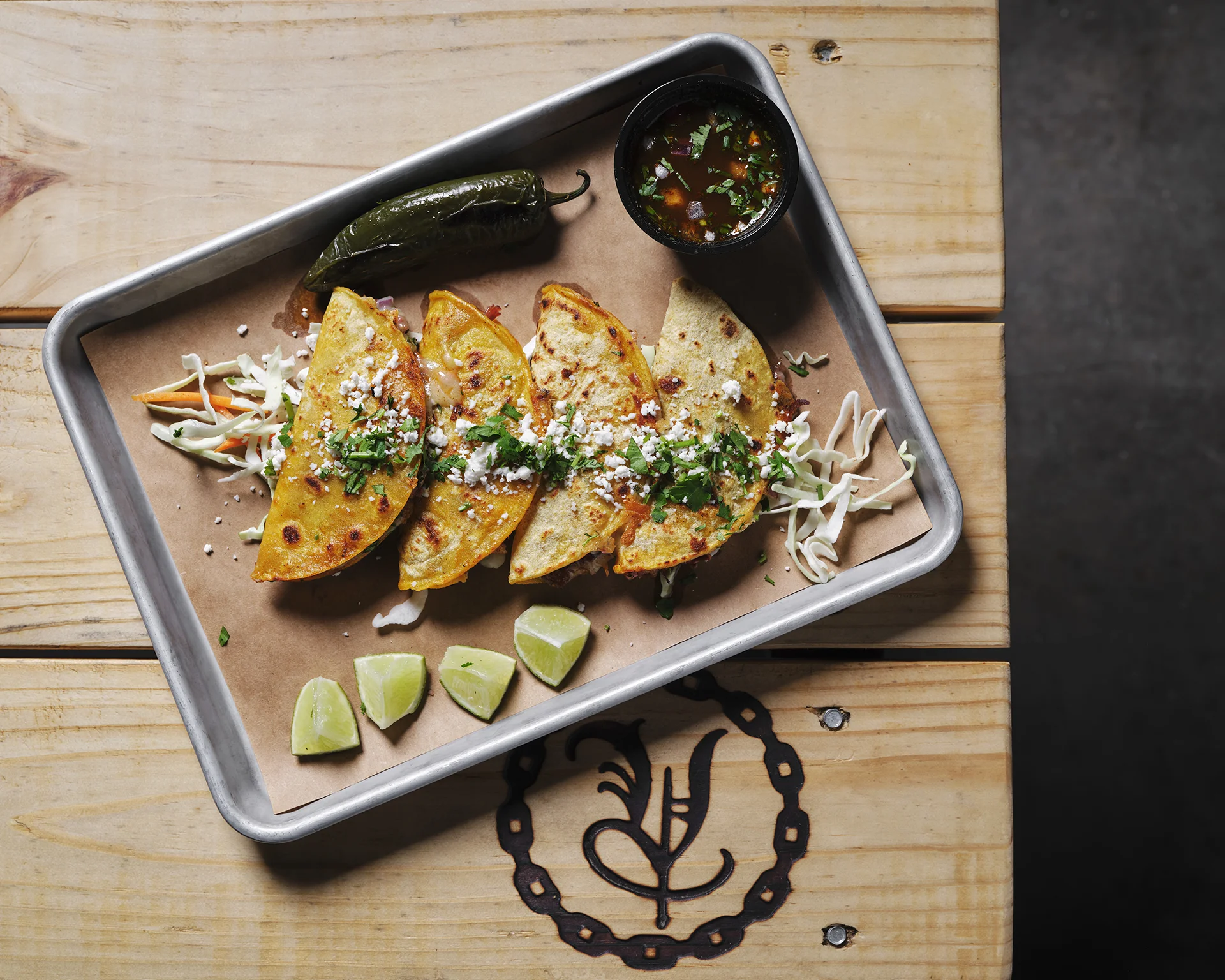
You notice the difference the moment the tortilla hits your tongue: it’s warm, flexible, and not soggy. A great taco spot gets those basics right, tortillas blistered, proteins seared, salsas tuned, so everything else can shine. Stick around and you’ll see how small, disciplined choices, portioning, seasoning, a smart finishing salsa, turn fast food into something you actually want to repeat.
After more than 37 years tending the pit, we know how smoked meats and brisket set the table, how hickory smoked flavor can lift a simple taco into something proud and true. Texas BBQ runs in our blood, and every plate carries that slow-smoked, straight-from-the-pit heart. Vaqueros Texas Bar-B-Q stands for that kind of honest barbecue, the kind of cooking that feels like home.
Quick Wins: 5 Essentials Every Great Taco Spot Gets Right
When you walk into a great taco spot, you’ll notice five quick wins that keep customers coming back: fresh tortillas, balanced fillings, consistent seasoning, fast service, and a clean counter.
You’ll taste tortillas warmed and pliable, not dry or brittle, wrapping ingredients without tearing.
Fillings are portioned so meat, salsa, and garnish each play a part, never overpowering the others.
Seasoning stays steady from order to order, so your favorite taco tastes the same every time.
Service moves briskly, orders don’t linger, and staff stay attentive without rushing you.
Counters and prep areas stay tidy, signaling care and food safety.
Together these essentials build trust, simple, repeatable practices that make you return.
Why Fundamentals Beat Flashy Menus for Taco Restaurants
Although bold specials and Instagram-friendly mashups can grab attention, you’ll keep customers by nailing the basics: perfect tortillas, balanced fillings, steady seasoning, reliable speed, and clean service.
You don’t need gimmicks, fundamentals create consistency people trust. Focus on ingredient quality, fresh produce, properly cooked proteins, and sauces that complement rather than overwhelm.
Train staff to execute the same plate every time, and to communicate clearly during busy shifts.
Prioritize durability, choose tortillas that hold fillings, portion to prevent sogginess, and time service so tacos arrive hot.
If your menu includes Texas BBQ or smoked meats, use hickory smoked brisket or other barbecue prepared with care so those flavors enhance rather than dominate.
When you master these elements, repeat visits rise, word-of-mouth spreads, and reviews highlight reliability. Flashy items may attract clicks, but fundamentals build a sustainable reputation and steady business.
Build a Tight Taco Menu That Maximizes Quality and Speed
You’ve nailed the basics, now tighten the menu so every taco can be executed quickly and well. Cut options to a focused set, 3–6 core tacos plus one rotating special, so your team masters each build and timing stays predictable. Standardize components, set protein portions, salsas, and garnishes with clear plating steps. Use cross-utilized ingredients to reduce waste and speed assembly without sacrificing distinct flavors. Design stations and mise en place for a linear workflow so cooks don’t cross paths during rushes. Train staff on one- and two-minute targets per taco and measure cycle times, then tweak recipes to shave seconds without losing identity. A tight menu makes consistency repeatable, service faster, and quality easier to defend.
If you feature smoked meats, lean on a clear identity, such as Texas BBQ influences like hickory smoked brisket. Keep smoked proteins in predictable portions so the pitmaster’s work translates to fast builds on the line. Use the same salsa or garnish families across tacos to highlight barbecue flavors without creating extra steps.
Sourcing & Prep: Protect Flavor While Controlling Costs
Lock in ingredient decisions that protect your tacos’ core flavors while keeping an eye on margins. Source proteins and key aromatics from reliable suppliers, pick versatile produce that performs across multiple builds, and set clear trim and yield standards so costs stay predictable. Standardize portion sizes, prep cuts, and marinades so cooks can reproduce flavor without waste. Rotate suppliers seasonally to maintain quality, and negotiate volume pricing for staples like onions, cilantro, and limes.
Use centralized prep lists and batch-blanch or brine where appropriate to extend shelf life without sacrificing taste. Track yields and plate costs weekly, and adjust menu prices or portioning when metrics slip. Train staff to respect timing and storage protocols so flavor and margins stay aligned.
When your concept includes smoked meats, work with purveyors who understand Texas BBQ and hickory smoked flavor profiles. Source brisket and other smoked meats from suppliers experienced with barbecue, or develop partnerships with a trusted pitmaster to ensure consistency in smoke, tenderness, and portion yields.
Tortilla Technique for Tacos: Texture, Char, and Serving Temperature
When tortillas hit the griddle at the right moment and temperature, they transform from neutral carriers into a crisp-tender foundation that boosts fillings instead of competing with them.
You want a light blistering and brief char, enough to add flavor and structure but not so much that the tortilla becomes brittle. Use a hot, dry surface and watch closely, flip once to preserve steam that keeps the interior pliable. Stack warmed tortillas in a towel to retain heat without sweating them into sogginess. Serve promptly. A warm tortilla frames textures and flavors, while a cold or oversteamed one masks them.
Train staff to time warming with service cadence so every taco arrives with ideal texture, slight char, and just-right temperature, especially when pairing with Texas BBQ, hickory smoked brisket, or other smoked meats from the pit.
Cook Proteins for Contrast: Seasoning, Sear, Rest, and Slice
Treat proteins like the headline act: season boldly, sear for a caramelized crust, let them rest, and slice against the grain to keep each bite tender and easy to eat.
You want contrast, crispy exterior and juicy interior, so use high heat for a quick Maillard reaction, then finish gently if needed. Salt early for penetration, add aromatics near the end to avoid burning. Resting redistributes juices, tent loosely and time it to avoid cooling.
For shredded or chopped fillings, briefly cool on a tray so you can pull or dice cleanly, preserving textures. Slice across muscle fibers for chewable tenderness and consistent mouthfeel.
Cook with purpose, each technique should create bite-to-bite contrast that makes tacos sing.
If you’re working with smoked meats like brisket or other hickory smoked cuts, treat them the same way, letting the smoke set the flavor, then slice or pull appropriately to showcase the bark and the moist interior.
A pitmaster’s patience and a few simple moves will turn good meat into something memorable.
Sauces and Salsas: Balancing Heat, Acid, and Fat at Scale
Because sauces and salsas tie a taco together, you want to balance heat, acid, and fat so every bite stays bright and satisfying. Scale this by building a concise palette: a bright vinegar- or lime-forward salsa, a moderate chile-based heat element, and a creamy fat component like crema or avocado purée.
Standardize recipes with weight-based measures and batch sizes that hold quality over service, and finish acid and heat adjustments right before service to prevent dulling. Offer clear intensity tiers, train staff to recommend pairings, and match lighter fish tacos with citrus-forward salsa while richer meats like brisket and other hickory smoked or smoked meats benefit from an acidic cut and a silky fat.
Pack sauces in service-ready containers that control portioning to maintain consistency across shifts and locations.
Six House-Made Finishing Touches That Drive Repeat Visits
Sauces set the stage, but the last touches are what keep guests coming back. Choose six house-made finishers that elevate texture, aroma, and balance: a bright citrus crema, a crunchy pepita salsa, quick-pickled red onion, charred scallion oil, micro-herb mix, and a chile-laced honey. Train cooks to dose each with consistency, so every taco or smoked meats plate hits the same sweet-sour-spicy-salty note.
Package small jars of a couple finishers for takeout, so flavors survive transit. Rotate a seasonal finisher to spark curiosity, without confusing your core lineup. Price them modestly, or include one as a signature flourish. Those subtle, repeatable details turn first-timers into regulars.
Front‑Of‑House: Recommend Pairings Without Pressure and Sell More
Often you’ll sell more and create happier guests by training your servers to suggest confident, low-pressure pairings, like a bright citrus crema with a smoky carne asada, or a chile-honey drizzle alongside a crunchy pepita salsa, so recommendations feel like helpful guidance, not a hard sell.
Teach staff taste-focused, one-line prompts: “Try the ancho-lime slaw with that fish taco for brightness.” Encourage listening first, note allergies, heat tolerance, and drink choice, then offer a single targeted add-on.
Use language that paints flavor and utility, not price. Reinforce suggestions with quick samples or visuals during slow periods so servers build conviction.
Track which pairings increase check average and guest satisfaction, then standardize successful combos on the menu.
If your menu includes smoked meats or Texas BBQ like hickory smoked brisket, train servers to describe complementary sides or sauces in the same straightforward, flavorful way to help guests enjoy the full meal.
Kitchen Rhythm and Plating Systems That Ensure Consistent Speed
Good service suggestions matter, but the kitchen has to match that front-of-house momentum, otherwise great pairings land cold or late. Design a steady kitchen rhythm by mapping prep, cook, and assembly into repeating cycles tied to ticket flow. Stagger tasks so grill, fryer, and garnish stations aren’t peaking simultaneously. Use visual cues, color trays, timing boards, or simple tick charts to keep everyone aligned on windows and priorities.
Standardize plating with modular components: base, protein, sauce, and garnish positioned for one-motion builds. Train cooks on tempo and portion weight so each taco or brisket plate finishes in the same time and looks identical, especially when serving Texas BBQ or other smoked meats that depend on consistency. Track throughput and small delays, then tweak station load or mise en place. Consistent speed comes from discipline, predictable systems, and continuous short feedback loops.