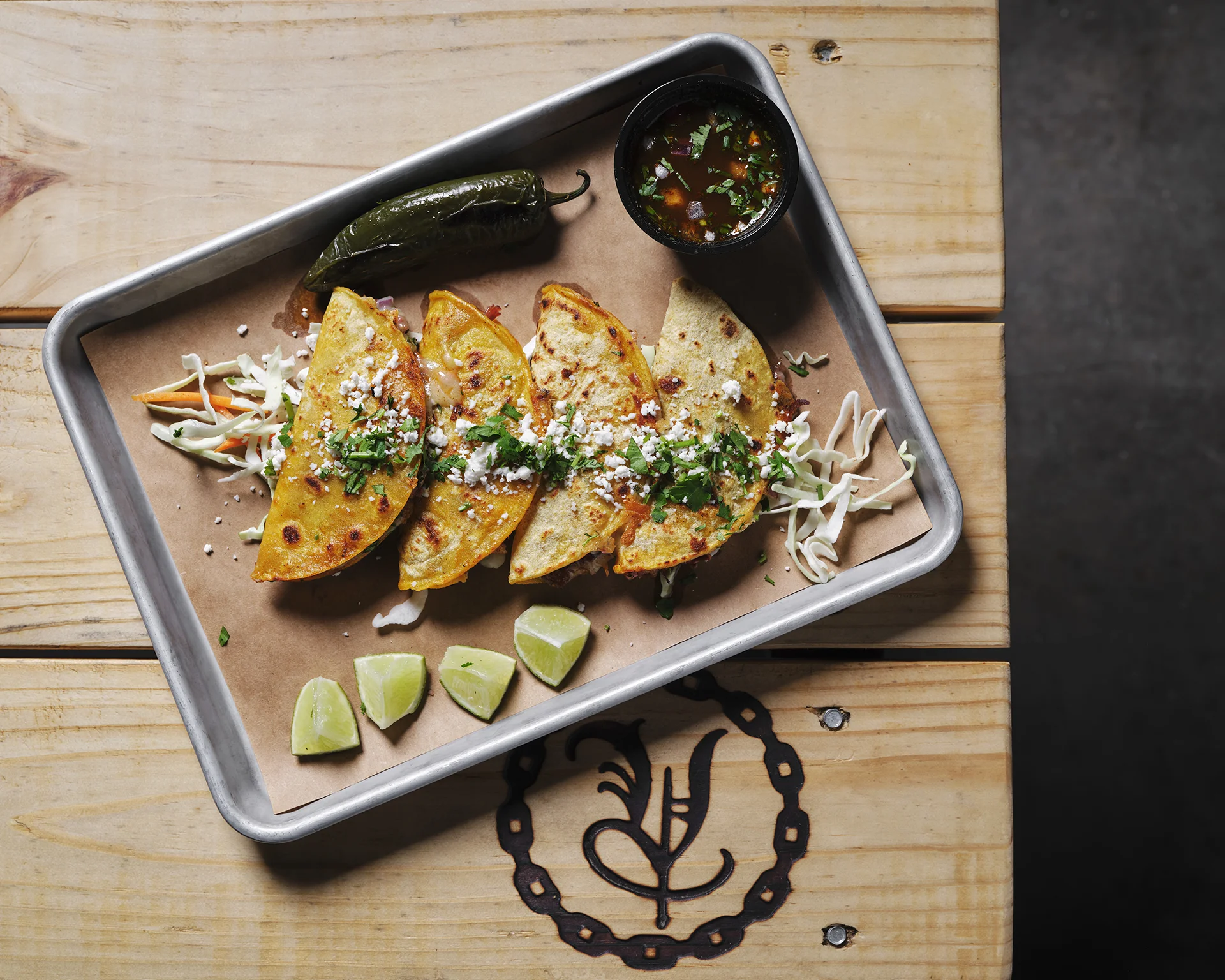
When you hire a caterer in Allen with food as the priority, expect menus built around seasonal Texas produce, Gulf seafood, and real pit-smoked meat prepared by chefs who value technique and timing. You’ll find clear sourcing, thoughtful pairings, and service that protects texture and temperature, and those choices shape how your event flows and how each bite lands.
We bring a warm, proud, down-to-earth Texas voice shaped by over 37 years of pitmaster tradition, with authentic Texas BBQ and hickory smoked barbecue and smoked meats like brisket taking center stage. Vaqueros Texas Bar-B-Q represents that same heritage: tobacco-dark bark, smoke-ringed brisket, and a commitment to wood-fired flavor that makes every gathering feel like home.
What Food-First Catering Looks Like in Allen, TX
When you pick a food-first caterer in Allen, TX, expect menus designed around ingredients and flavor, not just logistics. Seasonal produce, locally sourced proteins, and chef-driven techniques take center stage, while service and timing support the meal instead of dictating it.
You’ll notice thoughtful course progression, balanced seasoning, and presentations that prioritize taste over gimmicks. Tastings let you refine dishes, and caterers adapt recipes for your guests’ preferences and dietary needs.
Stations and plated services both emphasize freshness and immediacy, so food arrives at its peak. If you want barbecue elements, many chefs can incorporate Texas BBQ traditions, including hickory smoked brisket and other smoked meats prepared with pitmaster care.
Communicating budget and guest composition upfront helps chefs propose focused menus that maximize quality. You’ll end up with a cohesive dining experience where every bite reflects clear culinary intent and skilled execution.
How Local Sourcing and Seasonality Shape Allen Menus
Tapping local farms and seasonal harvests lets your Allen caterer build menus around peak flavor, rather than importing off-season ingredients.
You get brighter produce, meat and dairy that reflect nearby growers’ practices, and a menu that shifts naturally as fields and herds change. That responsiveness keeps dishes vibrant and often reduces cost and waste, because shorter supply chains mean fresher product and simpler handling.
You’ll also notice menu descriptions referencing specific farms, varietals, and harvest windows, and those details signal traceability and care. When you prioritize local and seasonal choices, your event’s food connects guests to place and time, supports regional producers, and lets chefs showcase creativity within the limits of what’s best right now.
If your event leans toward Texas BBQ and smoked meats, local sourcing makes a big difference.
Brisket, hickory smoked cuts, and other pitmaster-prepared items benefit from nearby cattle and quality wood, and the result tastes more immediate and rooted in the region. Menu items that highlight true seasonal produce alongside barbecue feel balanced and intentional, not forced. Choosing local and seasonal is a simple way to deliver honest, flavorful food that tells a story about this place and moment.
Menu Formats That Spotlight Flavor: Plated, Stations, Family-Style
Because the way food is served shapes how guests taste and interact, choosing between plated, stations, and family-style formats lets you spotlight flavor and service style to match the event.
You’ll pick plated service when you want precise portions, composed presentations, and controlled pacing, ideal for formal dinners where each bite is curated.
Stations work when you want variety and interaction, guests move, choose what appeals, and chefs can finish dishes to order, preserving temperature and texture.
Family-style encourages sharing and conversation, platters and bowls deliver communal energy and let guests sample multiple preparations.
Match format to mood, venue flow, and guest needs. Plated suits elegance, stations bring theater and customization, and family-style offers warmth and sociability.
Each format highlights different sensory and social aspects of the food, and for a relaxed gathering featuring Texas BBQ or hickory smoked offerings, family-style or stations can showcase brisket and other smoked meats in a way that invites conversation and enjoyment.
Sample Menu Ideas for Allen Events
Start with a clear vision of the vibe you want, casual BBQ, elegant plated dinner, or interactive stations, and the menu will fall into place. Picture a relaxed outdoor gathering with hickory smoked brisket, grilled veggies, cornbread, and a simple salad, and add a dessert like peach cobbler for easy serving.
For a sit-down dinner, choose a composed starter, a protein with two sides, and a light plated dessert to keep pacing smooth. For stations, mix a Texas BBQ taco bar, a carving station with smoked meats, and a build‑your‑own salad station so guests can customize portions. For cocktail parties, offer bite-sized canapés, skewers, and a standout dip. Always balance textures and temperatures so every course feels intentional and satisfying.
Local Texas Ingredients and Regional Flavor Pairings
Once you’ve chosen the event format, highlight regional Texas ingredients to give your menu a distinct sense of place. Lean on local staples, smoked brisket, Gulf shrimp, jalapeños, pecans, and heirloom tomatoes to anchor dishes without overcomplicating flavors. Pair savory proteins with bright, acidic sides, like lime-pickled slaw or tomatillo salsa, to cut richness. Match spicy elements with cooling textures, such as buttermilk dressings, crema, or peach compote. Use Texas honey or sorghum for subtle sweetness in glazes and vinaigrettes. Combine familiar tastes, barbecue spice with citrus, or introduce one bold element per plate so guests recognize regional notes immediately. That approach keeps your menu cohesive, memorable, and unmistakably Texan while serving diverse palates.
Plating Techniques That Keep Food Center Stage
Keep the food as the hero by simplifying plate compositions and using negative space to frame each element. Arrange proteins, sides, and sauces so each bite reads clearly: place the protein slightly off-center, dot sauces rather than flooding the plate, and layer components to show texture contrasts.
Use height sparingly to add drama without obscuring the main item. Match dish size to plate size, don’t let oversized rims drown delicate portions.
Choose garnishes that echo flavors, apply them with restraint, and avoid decorative clutter. Use clean edges and wiped rims for a professional finish.
When you focus on balance, proportion, and intentional restraint, guests see and taste the food first. If you’re plating Texas BBQ or other smoked meats like hickory smoked brisket, keep the presentation straightforward so the meat and smoke speak for themselves, and let the pitmaster’s work shine.
Timing and Service That Protect Flavor and Texture
When timing drives the meal, you protect the flavors and textures guests expect by coordinating cook times, hold windows, and plating so each dish arrives at its peak.
Communicate clear pickup times with the service team, batch items by finish temperature, and use heat-retentive carriers or chilled trays as appropriate to prevent overcooking or sogginess.
Map a minute-by-minute plan tying prep stations to transport and service, assigning stewards to monitor carry times and internal temps.
Sequence plating so delicate garnishes go on last and sauces stay separate until service.
Avoid long hold periods by staging rapid reheat or gentle rest protocols, and sync servers with kitchen timers.
With disciplined timing and simple tools, you deliver consistent texture and true flavor every plate, whether you’re finishing brisket, plating hickory smoked sides, or sending out other smoked meats from the pit.
Handling Dietary Needs Without Sacrificing Taste
Protecting flavor and texture goes hand in hand with meeting guests’ dietary needs, so plan menus that honor restrictions without turning dishes into afterthoughts. Use seasonal produce, bold herbs, and acid to boost taste in vegetarian, vegan, or gluten-free options so they stand alongside meat dishes. Swap techniques, not flavor, roast, sear, and caramelize to build depth. Finish with compound oils, dressings, or citrus to lift profiles.
When you include smoked meats like hickory smoked brisket or Texas BBQ, make sure vegetarian and allergen-free plates are given equal care so they don’t feel like an afterthought. Label items clearly and position allergen-free plates where they stay uncontaminated. Train staff to avoid cross-contact, and plate consistently so texture expectations are met. With thoughtful recipes and steady execution, you’ll deliver inclusive, memorable food that respects health needs without sacrificing satisfaction.
Questions to Ask Allen Caterers to Confirm a Food-First Approach
Frequently, the best way to judge a caterer’s commitment to food is to ask targeted questions that reveal their priorities, processes, and consistency.
Ask where they source ingredients, how often menus change, and whether chefs lead menu planning. Request sample menus and tasting policies so you can evaluate flavor and presentation.
Ask how they handle dietary restrictions and cross-contact to make sure everyone eats well. Request references and photos from recent events to confirm consistency.
Inquire about on-site cooking versus reheating, staffing levels per guest, and contingency plans for last-minute changes.
If you care about smoked meats or Texas BBQ, ask whether a pitmaster handles brisket and other hickory smoked items, how long meats are smoked, and what wood and temperatures they use.
These focused questions help you separate cooks who follow recipes from teams who prioritize craft, creativity, and a true food-first approach.