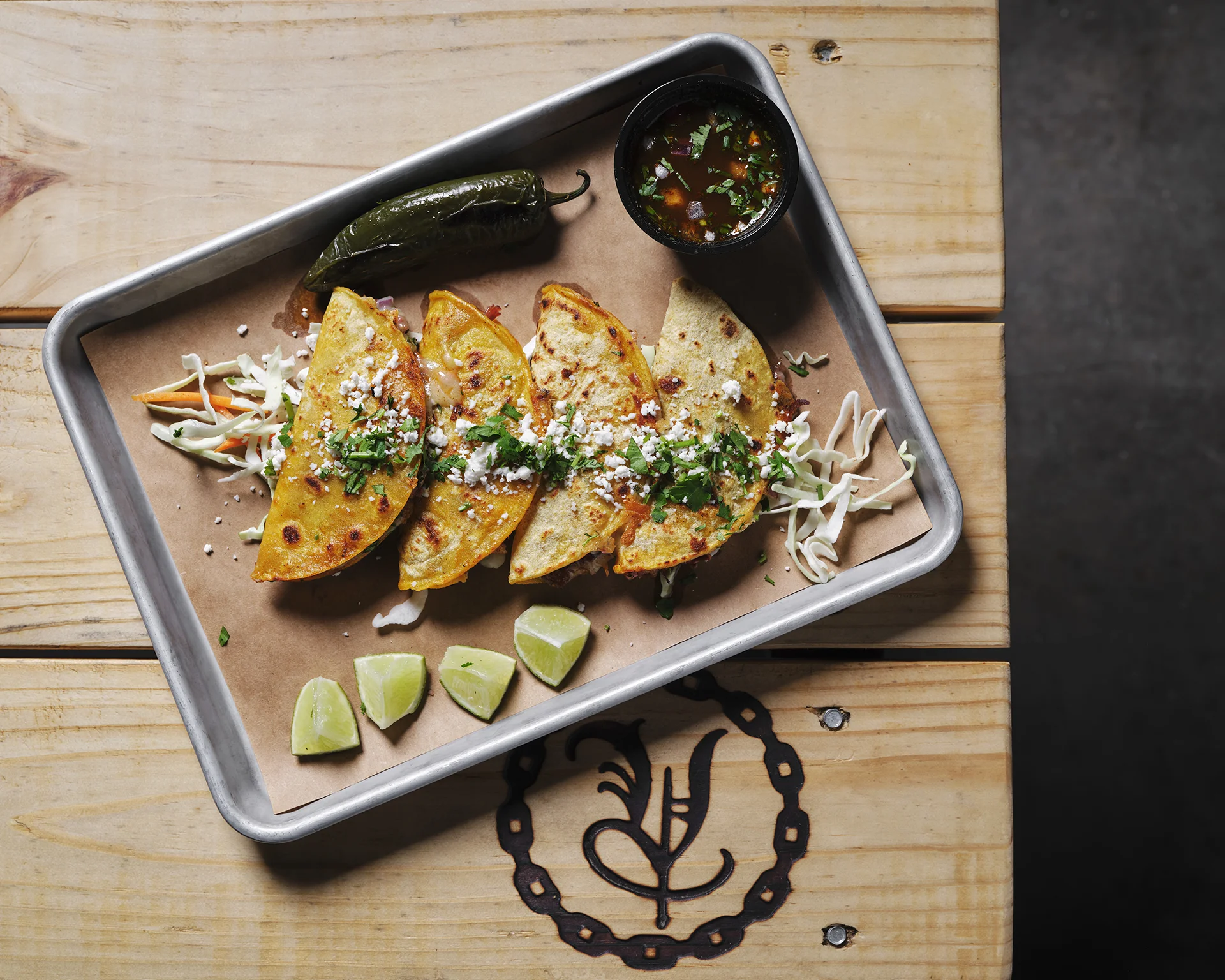
You might think barbecue is just something you grab quick, but here in Texas BBQ country it’s a slow, patient craft that shapes gatherings and memory. After more than 37 years of pitmaster tradition, we treat brisket like a rite, understand why thin blue smoke matters, and respect how choices of wood, cut, and timing show a pitmaster’s skill. You’ll find hickory smoked and other smoked meats served with restraint, not buried in heavy sauce, and we treat the pit like a family heirloom. Vaqueros Texas Bar-B-Q stands on that same proud, down-to-earth tradition.
Texas BBQ as Culture and Ritual
When you step into a Texas BBQ pit, you’re entering a ritual as much as a meal. Pitmasters tend coals and smoke like gardeners tending heirloom crops, passing techniques handed down through families and neighborhoods. You learn quickly this isn’t just cooking, it’s a language of timing, wood selection, and quiet attention.
You’ll notice the reverence for brisket resting as if it’s contemplative, the way sauce is optional and used sparingly, and how smoke flavors map local identity. You participate by showing patience, asking questions, and respecting order, who tends pits, who slices, who serves. Over time you’ll see barbecue shape gatherings, cement relationships, and mark calendars. It’s how communities remember themselves, not merely how they eat.
Regional Texas BBQ Styles (East, Central, South, West)
Although all Texas BBQ shares smoke and slow heat, each region writes its own rules.
East Texas leans toward sweet, saucy, fork-tender meats influenced by Southern barbecue.
Central Texas, especially Hill Country, centers on dry-rubbed brisket and sausage smoked over post oak.
South Texas blends Mexican flavors and barbacoa traditions, often favoring mesquite and wrapped cooking.
West Texas, with its cowboy-iron tradition, cooks direct over mesquite flames for a charred, beef-forward bite.
You’ll notice regional differences in seasoning, wood choice, and serving style.
Taste tells history, East comforts you, Central showcases precise smoke and crust, South layers in citrus, chilies, and tang, and West delivers primal char and beef intensity.
Learn those cues and you’ll read Texas by flavor.
Why Brisket Dominates Texas BBQ
Pick up a slice of Texas brisket and you’ll see why it became the state’s BBQ king: its size, fat content, and connective tissue make it ideal for long, low smoking that transforms tough muscle into tender, flavorful meat.
You’ll notice brisket feeds a crowd, so pitmasters built rituals around trimming, seasoning, and timing to get consistent results.
You’ll appreciate how bark and rendered fat carry concentrated beef flavor, and how the flat and point let you balance lean slices with juicier pieces.
You’ll learn brisket showcases skill, with temperature control, rest time, and slicing angle all mattering.
Because brisket rewards patience and technique, it became the benchmark against which Texas BBQ and other smoked meats are measured.
Smoke, Wood & Heat: How They Shape Flavor
Because smoke is both a flavoring and a preservative, the wood you burn matters as much as the meat you cook. Quick-burning woods like oak give steady, clean smoke that lets beef’s natural taste shine, mesquite packs a bold, peppery punch for short bursts, and fruitwoods add sweet, delicate notes to pork and poultry.
Control heat by separating fuel from the cooking chamber or adjusting vents, so fats render slowly without scorching the bark. Maintain low and slow temperatures, 225–275°F, for collagen breakdown and smoke penetration. Aim for thin, blue smoke rather than thick white clouds, because the latter tastes bitter.
Rotate vents, add wood sparingly, and monitor meat with a probe, and you’ll move closer to the authentic Texas BBQ flavor that defines great hickory smoked brisket and other smoked meats under a skilled pitmaster.
Rubs, Sauce, and Seasoning Traditions in Texas
Once your smokers are humming and the meat’s soaking up that steady blue smoke, seasoning choices start steering the final character of the barbecue.
You’ll find Texas BBQ favors simplicity, salt and coarse black pepper for brisket, applied confidently to form a flavorful crust without hiding the beef’s richness. In Central Texas, you’ll taste restraint. In East Texas, hints of sweet, tomato-based sauces appear more often for pork, usually served on the side. South Texas brings a touch of spice and Mexican influence, cumin or chili flakes show up sometimes. Rubs tend to be sparse, focused on texture and smoke adherence rather than complex spice blends. Sauce, when used, complements instead of dominates, letting meat and smoke remain the stars.
Pitmaster Decisions During Long Cooks
When the fire’s been steady for hours, and the meat’s hit the stall, you’ll face a string of practical choices that determine the result: whether to wrap the brisket, how often to spritz, when to pull for the stall and the final resting, and how to manage fuel and airflow to keep temperatures steady. You decide based on texture, bark, and pit behavior. If bark’s set and progress stalls, you’ll wrap to push through, if you want crust, you won’t. You’ll spritz sparingly to cool the surface and add flavor, not to chase temperature. You’ll add fuel in measured amounts and tweak vents to avoid swings. Rest time’s nonnegotiable, you’ll hold the brisket until juices redistribute, then slice against the grain.
This is Texas BBQ thinking at the pit: hickory smoked, hands-on care from the pitmaster, and attention to smoked meats through the long haul to get the balance of tender meat and a deep, dark bark.
How to Order and Eat Texas BBQ Like a Local
Step up to the counter like you mean it: order by meat first, sauce second, sides to round it out.
Pick brisket by the slice or weight, lean point or fatty deckle, and tell them how you want it reheated, if at all.
If you want ribs, specify spare or baby back.
For sausage, say loose or link.
Ask for a little sauce on the side, not poured over, unless you want down-home drowning.
Choose two sides, pick one creamy (potato salad, mac) and one vinegary (cole slaw, pinto beans) to balance richness.
Eat with your hands when appropriate, use the wax or butcher paper provided, and don’t rush.
Texas BBQ is meant to be savored, not scarfed.