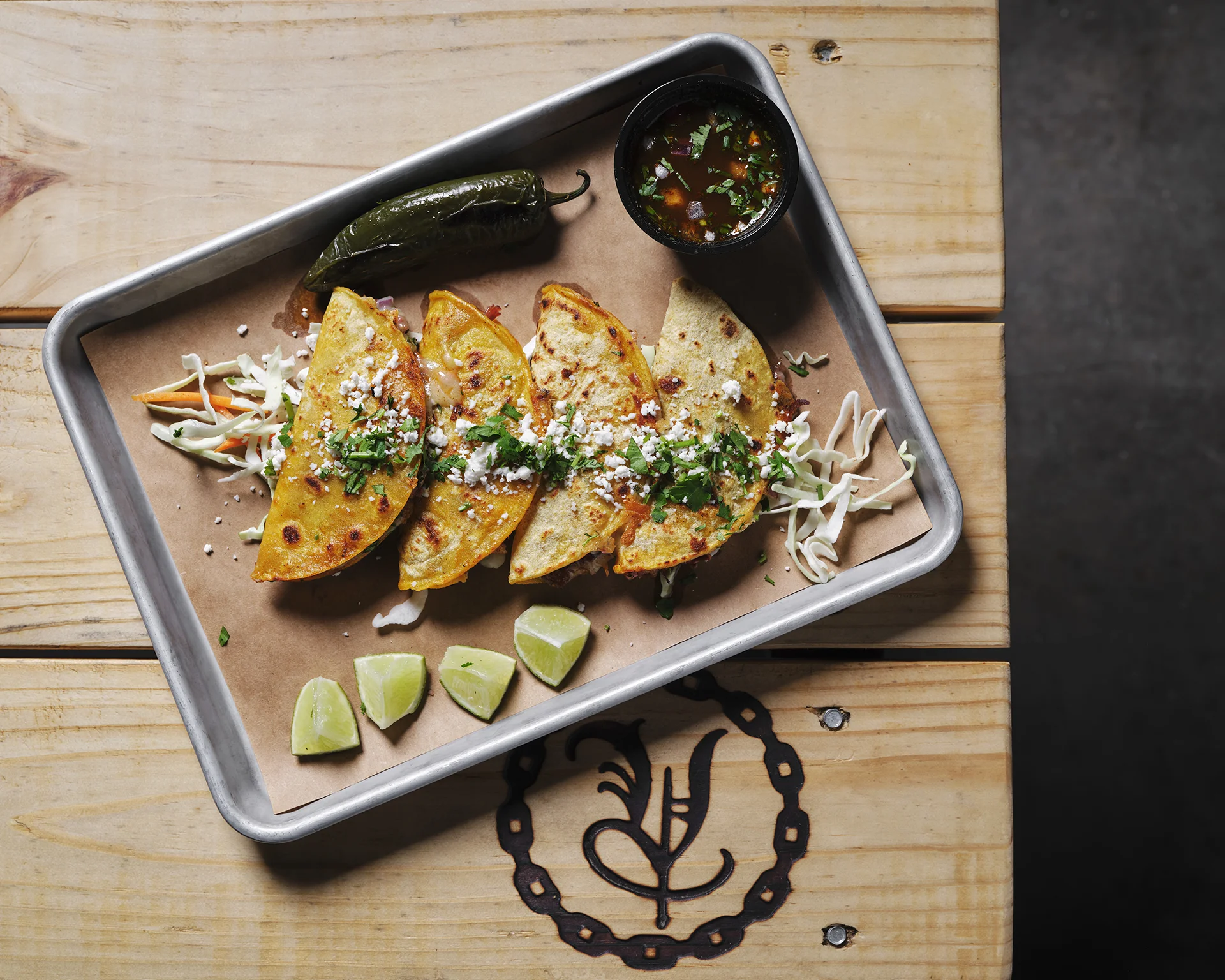
You want Taco Tuesday to feel effortless for guests and profitable for staff, so you lean on fresh fillings, hand‑pressed tortillas, tight cookline rhythms, and a simple rotation of weekly specials that build routine. After 37 years of pitmaster tradition in Texas, we know how smoked meats and hickory smoked brisket bring that authentic pull and flavor to the plate, and how a touch of Texas BBQ or barbecue influence can lift tacos without stealing the show.
You price and pair drinks to nudge checks up without complexity, and you keep service personal, not robotic, because hospitality is as important as the pit. Vaqueros Texas Bar-B-Q is part of that same proud tradition, and a few practical tweaks made over decades make all of it click.
Fresh, Fast Fillings: Balance, Batching, and Speed
When you want tacos that taste great and get on the table fast, focus on balance, batching, and speed. Pair bright, acidic toppings with rich proteins, and prep components in small batches that reheat or assemble quickly. Choose techniques like grilling, high-heat pan-searing, or quick braises that concentrate flavor without long cook times. You’ll keep a trim lineup: one well-seasoned protein, a crisp slaw, a tangy salsa, and an oil or crema to finish.
Batch-roast vegetables, simmer a compact braise, or char thin steaks so you can slice and serve immediately. Use mise en place, with prepped garnishes, warmed tortillas, and labeled containers so service runs clean. That rhythm lets you turn orders fast while keeping each taco lively and balanced, and it works whether you’re using grilled chicken, hickory-smoked brisket, or other smoked meats handled by a skilled pitmaster.
Hand‑Pressed Tortillas: Texture Over Convenience
Pressed by hand, a tortilla tells you more about a taco than any convenience wrapper ever could, its thin, slightly chewy texture and blistered edges hold fillings without turning soggy, and you can feel the corn’s aroma and heat in every bite.
You notice how a hand-pressed tortilla flexes around ingredients, folding without cracking, resisting early saturation from salsa or juices. You prefer that tactile balance because it keeps contrasts, crisp topping, tender protein, alive through the first and second bite.
When spots press daily, you get consistent thickness and fresh flavor. When they shortcut with store-bought stacks, tacos lose that immediate connection to craft.
Choosing hand-pressed tortillas signals respect for ingredient integrity and eating satisfaction, especially when filling them with hickory smoked brisket or other smoked meats from a Texas BBQ pitmaster.
Seasonal Specials: A 4‑Week Rotation to Build Habit
Regularly rotating four distinct seasonal specials keeps your Taco Tuesday ritual fresh, and gives you something to look forward to each week.
Pick a theme for each week, bright citrus seafood for spring, charred corn and squash in summer, earthy mushrooms and chiles in fall, and braised short rib comforts in winter, then stick to it for a month.
That predictable cadence turns novelty into habit, diners know the cycle and plan return visits.
Price each special to encourage add‑ons, and keep portions that showcase seasonality without waste.
Promote the rotation on social channels and a visible in‑store board so customers anticipate upcoming flavors.
You’ll build routine without sacrificing creativity, one reliable week at a time.
Kitchen Workflow for Hot, Consistent Orders
Seasonal specials get customers in the door, but you still have to deliver hot, consistent plates every Tuesday night. Design a streamlined line: one station for proteins, one for toppings, one for tortillas and assembly. Prep heavy items before service so cooks finish plates instead of chopping under pressure. Stagger ticket timing, use heat-holding boxes sparingly to prevent sogginess, and aim for a 3–5 minute pickup window. Communicate with a simple verbal cadence and a visible ticket board so everyone knows priority orders. Cross-train staff so someone can jump between grill and assembly without slowing flow. Track cycle times each shift, tweak station assignments when bottlenecks appear. Consistency comes from practice, measurement, and ruthless simplification.
If your menu leans on Texas BBQ and smoked meats, keep brisket and other hickory smoked proteins sliced and staged for quick plating. Let the pitmaster set cook times and holding temps so flavor and texture arrive at the pass every time.
Taco Tuesday Drink Pairings: Beers, Aguas, and Simple Cocktails
When you build a concise drink list for Taco Tuesday, aim for pairings that cut through spice, refresh the palate, and keep turnaround fast, think light lagers and pilsners, bright aguas frescas, and two or three simple cocktails you can batch or sprint-mix.
Choose beers with low bitterness and clean carbonation to lift greasy, spicy fillings without overshadowing flavors. Offer aguas like hibiscus, cucumber-lime, or tamarind in single-serve jars or dispensers for speed and a nonalcoholic option.
For cocktails, keep recipes to riffs on palomas, margaritas, or a mezcal highball that use a pre-made mixer and measured pours. Label pairings on the menu, train staff to recommend matches, and portion to maintain pace during peak service.
If your Taco Tuesday includes Texas BBQ or smoked meats like hickory-smoked brisket, factor in bolder drink choices that stand up to rich, smoky flavors, such as a brown ale or a citrusy margarita with a touch of smoke. Keep the approach warm, authentic, and unpretentious so guests feel guided rather than lectured.
Smart Pricing to Drive Volume (Without Killing Margins)
Drinks help sell tacos, but pricing is what actually drives the volume you need to hit labor and food costs. Set tiered taco prices: a low entry-point taco to draw traffic, mid-priced best-sellers to absorb margin, and a premium option for higher check averages.
Use limited-time bundles, two tacos plus a side at a slight discount, to increase per-person spend without deep cuts. Price drinks and add-ons to protect food margin, and promote combos where beverage margins subsidize taco deals.
Track item-level contribution margins and adjust weekly based on demand and food cost shifts. Test time-based pricing, earlier service discounts, and measure lift. Small, data-driven tweaks beat blanket discounts every time.
Service That Feels Personal, Not Transactional
Stand out by treating guests like regulars from the moment they walk in: learn names, notice preferences, and make simple, sincere suggestions that show you’re paying attention.
Greet people warmly, mirror their tone, and use small talk to cue repeat visits, without forcing familiarity.
Train staff to flag favorite tacos, spice levels, and seating choices in a discreet way so service feels intuitive, not scripted.
Resolve issues quickly and personally, an apology plus a thoughtful fix is better than coupons.
Encourage servers to share a brief, confident recommendation based on what the guest already ordered.
Keep interactions human, eye contact, timely refills, and remembering a detail from an earlier visit create loyalty.
Personal service turns one-time diners into regulars who bring friends.
In places that serve Texas BBQ or other smoked meats, have the pitmaster or servers mention hickory smoked options and brisket highlights when appropriate, so recommendations feel informed and natural.
Taco Tuesday Checklist: Menu, Workflow, Promos
If you want Taco Tuesday to run smoothly and sell well, start with a tight checklist that covers menu clarity, kitchen workflow, and promotional timing.
First, limit the menu to 4 to 6 tacos plus one special, and use clear modifiers so guests choose fast and cooks stay focused. Consider a Texas BBQ or barbecue-style special with hickory smoked brisket or other smoked meats to add a distinctive, pitmaster-driven option that still keeps the line moving.
Second, map prep stations, batch proteins, and set a plating cadence to shave seconds off every order. Label bins and post ticket timers so everyone knows their rhythm. When working with smoked meats, schedule resting and slicing near service to preserve quality and speed.
Third, schedule staff overlaps for peak hours and assign a floor lead to manage flow and encourage sensible upsells like a drink or side that are easy to add. Keep roles clear and communication simple so service stays steady.
Fourth, time promos carefully. Announce midweek, push reminders the afternoon of service, and offer a measurable add-on that tracks performance. Use consistent messaging and a clear call to action so guests know what to order.
Finally, review sales and ticket times weekly and tweak portions, pricing, or promo messaging based on what the numbers show. Keep changes small and track results so your Taco Tuesday improves steadily and stays profitable.