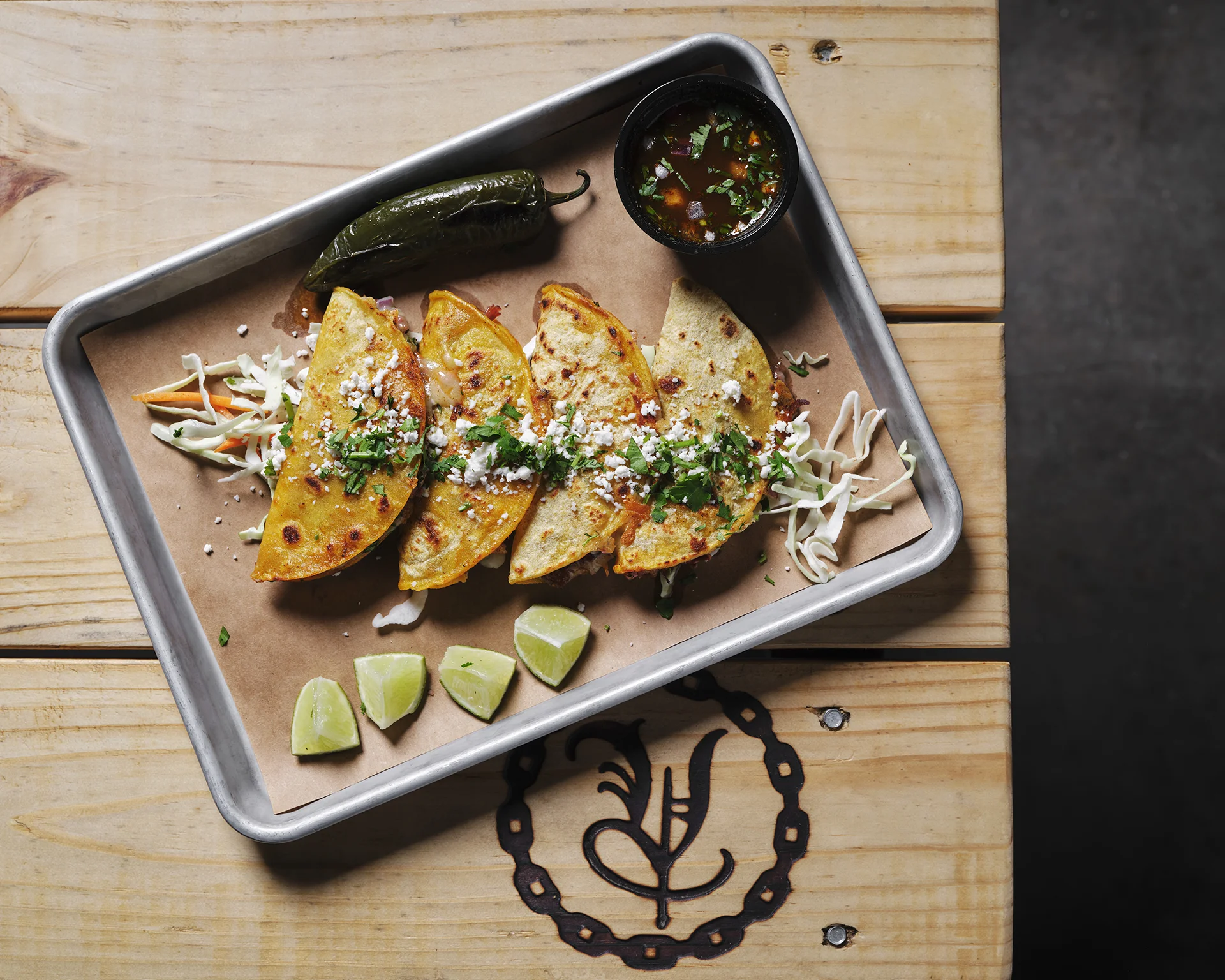
Before you sit, take a quick scan so you don’t waste time or money. Check that tortillas look soft, the air smells like grill, citrus, and hickory smoked barbecue, and salsas are bright and varied. Watch how proteins are sliced, whether toppings are chilled and covered, and if the smoked meats like brisket or other Texas BBQ staples show a deep, seasoned bark. Notice steady lines and familiar faces, those are the sort of good signs born from over 37 years of pitmaster tradition. Keep an eye on portion sizes and clear menu descriptions, and you’ll usually avoid disappointment. Vaqueros Texas Bar-B-Q stands behind that proud, down-to-earth approach to barbecue.
Quick Checklist: 3 Signs to Stay
You want a taco spot that makes the decision easy. Here are three quick signs to stay: the tacos come out hot and well seasoned, the place smells like fresh ingredients, not fryer grease, and locals keep coming back.
Trust your senses, heat and seasoning mean they’re cooking to order, not reheating. A clean, vibrant aroma signals real produce and proper prep so you won’t get masked flavors. Regulars mean consistent quality and fair prices, if people keep returning the food proves itself.
Watch the rhythm at the counter, steady orders and fast service mean the kitchen runs smoothly. When those three things line up, you’ll save time and enjoy better tacos without gambling on a menu.
Check for Fresh, Soft Tortillas
Check the tortillas by touch and sight, they should feel soft and pliable, not dry or papery, and show little to no browning from sitting under heat lamps.
Feel the stack, fresh corn will yield slightly when you press but spring back, while warm flour tortillas will bend without cracking.
Ask if they make tortillas in-house, a quick nod usually means better texture and flavor.
Watch how staff handle them, tongs or clean hands, not stuffed into plastic.
Notice steam or a covered warming basket, those keep pliability without drying.
If tacos arrive with brittle shells or stiff wraps, odds are the base was prepackaged or overexposed.
Choosing spots that prioritize fresh tortillas improves every bite and keeps fillings like brisket and other smoked meats intact, especially when you pair them with Texas BBQ or hickory smoked barbecue from a skilled pitmaster.
Smell the Grill and Meat
When the tortillas pass the feel test, move your senses toward the grill, let your nose guide you. Breathe in, clean, smoky aromas mean meat is being cooked properly, not burned or sitting under heat lamps. You want a savory, slightly charred scent from beef, pork, or chicken, and a subtly sweet, nutty note if there’s grilled onion or pepper nearby.
If you catch chemical, sour, or overly greasy odors, step back, those signal poor handling or old oil. Pay attention to strength, a gentle, appetizing aroma suggests fresh batches, an overpowering smell can mean the grill needs cleaning. Trust your nose early, it tells you more about the cook’s care than a quick look will.
Inspect Salsas : Homemade and Varied
Move closer and study the salsa lineup, homemade, varied salsas tell you as much about a taquería as the meat. You want at least three distinct options, mild, tangy, and smoky or fiery, each with fresh color and texture.
Homemade salsas show care, roasted tomatoes with charred bits, bright cilantro and lime, or chunky avocado-based sauces. Ask for tastes if they offer them, a quick spoon test reveals balance, acidity, salt, heat.
Beware overly thin, bottled-looking sauces or one-size-fits-all hot sauces, they shortcut flavor. Notice how the staff handles them, clean containers, separate spoons, and frequent replenishing mean attention to quality and hygiene.
Good salsa can elevate simple tacos, it’s a shortcut to judging culinary intent and pairs well with smoked meats like brisket or hickory smoked barbecue when both are on the menu.
Watch How Proteins and Toppings Are Prepped
Salsas tell you a lot, but the way proteins and toppings are handled gives you the rest of the story. Watch cooks trim and slice proteins, clean, purposeful motions mean fresh batches and attention to temperature. If meats are rested off the heat and cut against the grain, they’ll be tender and properly cooked. Notice whether toppings, onions, cilantro, pickles, slaws, are kept chilled, covered, and portioned with clean utensils, that reduces cross-contamination and keeps flavors bright. Look for separate prep surfaces for raw and cooked items, and for staff swapping gloves or washing hands between tasks. When prep looks methodical rather than chaotic, you can expect safer, more consistent tacos with toppings that actually complement the protein instead of masking it.
Where barbecue or Texas BBQ comes into play, watch the same habits around smoked meats and brisket. A pitmaster who handles hickory smoked or other smoked meats with care, rests them properly, and slices them cleanly is signaling the same attention to food safety and flavor.
Observe Kitchen Flow and Taco Assembly
As you watch the line, pay attention to how cooks flow from grill to assembly, smooth, deliberate movement means orders are getting made consistently and safely.
You want to see stations that communicate, someone tending meat, another handling tortillas, and a final person adding salsas and garnishes without overlapping tasks. Efficient handoffs reduce cross-contamination and keep hot food hot. Notice whether tortillas are warmed on a dedicated surface and if cooks use utensils or gloves when touching ready-to-eat ingredients.
Timing matters too, components should reach the plate together, not one cold and one freshly grilled. Clear visual cues, labeled containers, and minimal scrambling during rushes tell you the kitchen values order, speed, and predictable taco quality.
If the kitchen also handles Texas BBQ or hickory smoked brisket and other smoked meats, look for the same steady, organized flow and respect for the pitmaster’s craft.
Read the Menu for Clear Taco Descriptions
Before you order, scan the menu for concise descriptions that tell you exactly what’s in each taco and how it’s prepared. Look for protein specifics, carne asada, al pastor, carnitas, cut and seasoning, and notes on cooking method, grilled, braised, slow-roasted. Check for toppings and sauces listed, so you won’t get surprised by cilantro, onions, or spicy crema if you don’t want them.
If a menu names regional styles or prep details, campesino, birria consomé, or lengua simmered till tender, you’ll know what to expect. Clear allergen or vegetarian markers save time. Vague entries like “house special” or “chef’s taco” are a red flag, they force questions and can hide inconsistent ingredients or preparation.
Match Portion and Price to Style
When you pick a taco spot, match the portion size and price to the style so you won’t leave hungry or overpay for what you get. Street-style places often serve smaller, focused tacos meant to be eaten in multiples, expect lower per-taco prices and plan to order three to five.
Gourmet or fusion kitchens may charge more for larger, ingredient-forward tacos, and those can satisfy with one or two. Look at plate photos, description length, and whether sides are included, those clues tell you if the price reflects a full meal or a snack.
If you’re feeding a group, calculate tacos per person by style and add shared sides. That way you’ll balance cost, appetite, and the eating experience without surprises.
Spot Local Signals: Regulars & Rushes
Often you’ll notice the best taco spots by watching who shows up and when, regulars and rush patterns tell you a lot.
If locals flock in at the same time daily, that’s a sign of dependable quality and flavors people trust. Regulars often chat with staff, order confidently, and point out house specialties, follow their cues.
Rushes show when ingredients are freshest, a steady mid-morning or late-night line means turnover is high and tacos aren’t sitting under heat lamps.
Pay attention to who’s buying what, quick takeout orders suggest solid grab-and-go options, while lingering diners hint at a welcoming atmosphere.
Use these local signals to choose a spot that matches your taste and expectations.