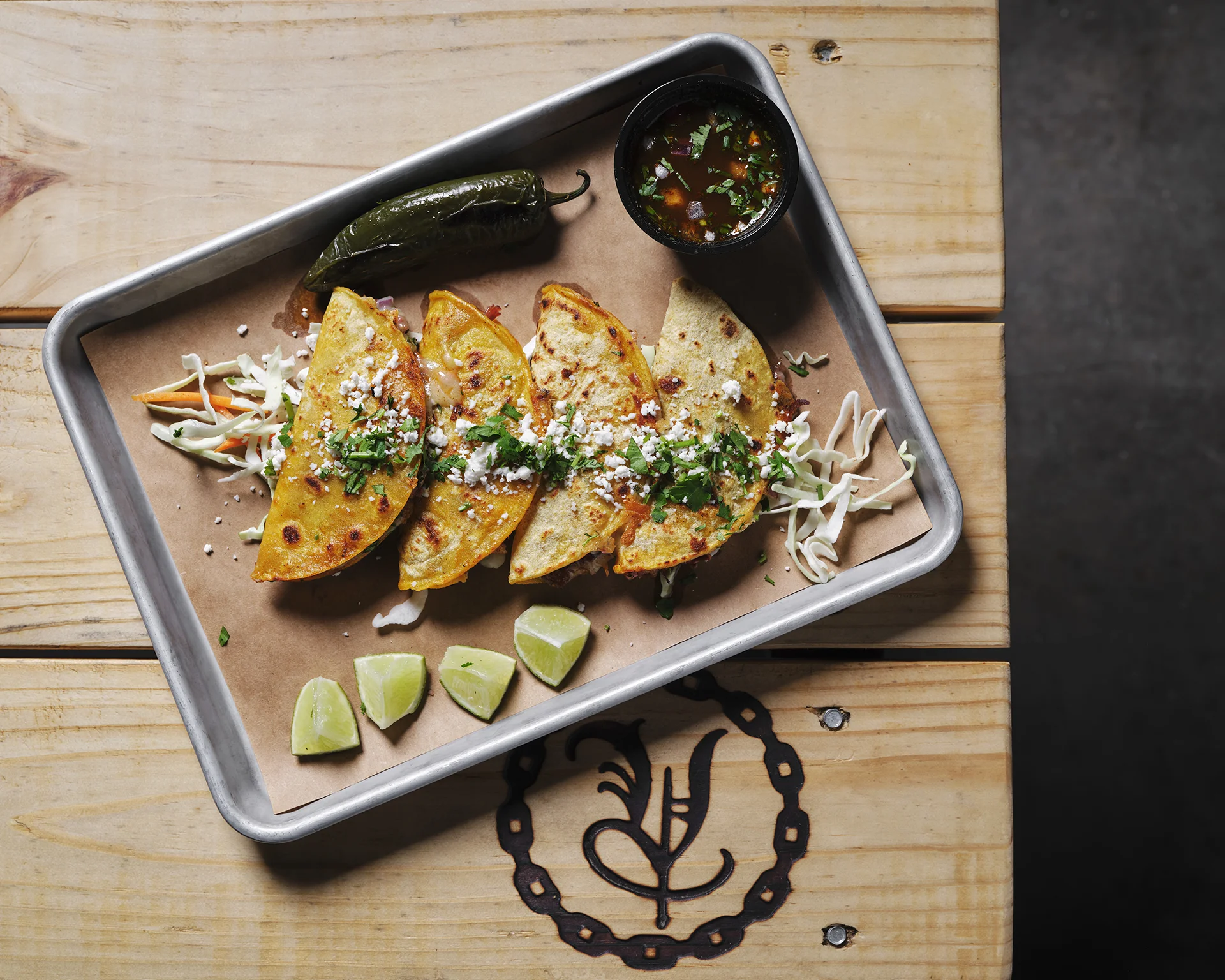
You keep coming back to elote because it hits almost every craving at once: charred-sweet corn, a tangy creamy coating, salty crumbly cheese, and a hit of heat that wakes your mouth. It’s simple, shareable, and oddly addictive, so once you try that blend you start noticing how it lifts everything else on the plate. After more than 37 years of pitmaster tradition, the flavors of Texas BBQ and hickory-smoked barbecue make sense beside it, especially when you’re passing the corn alongside smoked meats like brisket.
There’s a surprising history behind those humble toppings, and a few hot debates too, told with the warm pride you feel walking up to the pit. Vaqueros Texas Bar-B-Q knows that elote isn’t just a side; it’s a flavor friend to the meat, a little crowd-pleaser that turns a plate of barbecue into something you remember.
What Is Elote (Mexican Street Corn)?
Elote is Mexican street corn, grilled or boiled corn on the cob slathered with a tangy, creamy sauce and finished with cheese, chili powder, lime, and cilantro.
You’ll find vendors brushing ears with mayonnaise or crema, then rolling them in cotija or queso fresco and dusting chili for heat.
It’s portable, usually served on a stick or wrapped in paper, so you can eat it walking through markets or at backyard gatherings.
Regional tweaks matter, some people swap butter for mayo, add garlic or hot sauce, or skip cilantro.
You don’t need fancy ingredients to make it at home, just fresh corn, a creamy binder, crumbled cheese, citrus, and chili.
It’s straightforward, bold, and satisfying, and it pairs naturally with Texas BBQ and other smoked meats like brisket or hickory smoked ribs when you want a bright, creamy counterpoint to rich, savory barbecue.
Why Elote’s Flavor And Texture Hook You
Corn’s contrast of sweet kernels, creamy sauce, salty cheese, zippy lime, and smoky chili grabs you immediately, because each bite hits different sensations at once.
You notice texture first, poppy, juicy kernels against silky mayo or crema and crumbly cotija that melts slightly against your tongue. Fat from the sauce carries flavor, so the lime’s acidity and chili’s heat cut through and refresh your palate, making you reach for another bite. Salt amplifies sweetness, while the cheese adds umami and a pleasant grainy chew. Temperature shifts, warm corn with cool crema, add another layer. Everything’s balanced so no element overwhelms, the interplay of contrast and cohesion is what hooks you and keeps elote unforgettable.
How Grilling And Charring Change Corn For Elote
Fire and smoke transform sweet kernels into something savory and complex. When you grill corn, sugars undergo Maillard reactions and light caramelization, producing nutty, roasted notes that raw or boiled corn lacks. Charring adds bitter, smoky accents that balance sweetness and brighten each bite, and the texture firms slightly as moisture reduces, so sauces cling better.
Heat ruptures cell walls, releasing aromatic compounds and concentrating corn flavor, while blistered kernels provide contrast against creamy toppings. You’ll also get a hint of char oiliness from contact with grates, giving depth without heaviness. Because grilling is fast and high-heat, it preserves the snap and bite you want in elote, while layering savory, toasty character similar to what you expect from Texas BBQ or hickory-smoked smoked meats prepared by a pitmaster.
Why The Creamy‑Salty‑Tart‑Cheesy Combo Works
Because creamy, salty, tart, and cheesy elements hit different taste receptors at once, your mouth perceives elote as balanced and deeply satisfying.
You get richness from crema or mayo that coats kernels, and fat carries and amplifies aroma compounds. Salt sharpens flavor peaks and enhances the sweetness from charred corn.
Acid from lime or a squeeze of citrus cuts fat, rejuvenating your palate so each bite feels bright instead of heavy.
Crumbly cotija or queso fresco adds savory umami and a contrasting dry texture, which prevents sogginess.
Together these components create tension and resolution, cream soothes, salt excites, acid resets, and cheese grounds the profile. That interplay keeps you reaching for another bite until the cob’s gone.
Elote’s Roots: Street‑Food History And Cultural Context
Though it started as a simple, portable snack, elote quickly became a fixture of Mexican street food, sold from carts and pushcarts outside markets, schools, and festivals. You’ll find it where people gather, plazas, feria grounds, transit stops, because it’s affordable, quick, and satisfying.
Its roots trace to pre‑Columbian maize reverence and communal foodways, then to vendors who adapted corn to urban life. As cities grew, elote accompanied laborers, students, and families, becoming a marker of everyday culture, not haute cuisine.
When you eat elote on the street, you’re participating in social rituals, bargaining, sharing, and claiming public space. That history explains why elote feels both humble and deeply rooted in Mexican identity.
Classic Elote Toppings (And The Small Tweaks Fans Argue About)
When you bite into elote, it’s the toppings that make each cob a little argument, mayonnaise or crema, crumbled cotija or a sharper queso fresco, a lime squeeze or a splash of lemon, and chile powder, Tajín, or a chile-lime blend.
You’ll choose a base, mayo gives richness, crema lends tang, some rub butter for a silkier coat. Cheese shifts the profile, cotija crumbles and salty-snap, queso fresco softens and melts slightly. Acid brightens and balances fat, lime is classic, lemon sneaks in where you want less floral citrus. For heat and smokiness, chile powders vary from mild ancho to electric cayenne, while Tajín adds citrus-salt seasoning. Small tweaks, herbs, garlic, or a dash of smoked paprika personalize without betraying the street-food spirit.
If you’re coming from the world of Texas BBQ and smoked meats, think of the same ideas scaled up, where hickory smoked brisket and other smoked meats get finished with bold, salty, and acidic notes to cut the richness.
The same balance that makes great barbecue also makes great elote.
Simple Authentic Elote Recipe You Can Make At Home
Fire up your grill or heat a cast-iron skillet, this simple, authentic elote recipe gets you tender, slightly charred corn finished with the classic toppings that make street-corner elotes irresistible.
Start with fresh ears, husks removed, and brush each with oil. Grill or sear until kernels blister and get light char marks, about 8–10 minutes, turning often.
While the corn cooks, mix crema, or mayo thinned with lime, crumbled cotija, a pinch of chili powder, and chopped cilantro.
Brush the hot cobs with the crema mixture, then generously sprinkle cotija and add a final squeeze of lime.
Serve immediately so the cheese clings and flavors stay bright. This straightforward method delivers authentic texture and balance without fuss, and it pairs beautifully with Texas BBQ or other smoked meats like hickory smoked brisket for a relaxed backyard barbecue.
Crowd‑Pleasing Elote Variations (Vegan, Sheet‑Pan, Bowls)
If you love the classic grilled elote but need options for different diets, crowds, or cooking setups, these variations keep the same bold flavors while fitting vegan, sheet-pan, and bowl formats.
For a vegan twist, swap mayo and cotija for cashew crema and nutritional yeast, add lime, chili powder, and chopped cilantro, so the tang and umami stay front and center.
To feed a crowd, roast corn kernels on a sheet pan with oil, smoked paprika, and garlic, then finish with a squeeze of lime and a scatter of chopped scallions.
Turn leftovers into elote bowls: warm corn over rice or greens, drizzle crema or yogurt alternative, sprinkle chili and herbs, and let everyone add heat or cheese substitutes to taste.
If you’re serving alongside Texas BBQ or other smoked meats, the bright elote flavors pair especially well with hickory smoked brisket and other barbecue favorites.
Serving, Pairing, And Presentation Tips For Elote
For a showstopping elote spread, plate corn on skewers or in small ramekins so guests can grab and eat without fuss. This makes service easier and helps keep toppings from sliding off. Arrange a toppings station with lime wedges, crumbled cotija or vegan cheese, chili powder, chopped cilantro, and a few sauce bottles so people can customize quickly. Pair elote with grilled meats, tacos, or a crisp salad to balance richness, and for vegetarian meals serve it alongside charred peppers and a black bean salad. Garnish just before serving to preserve texture, sprinkle cheese and herbs last and drizzle sauces sparingly. Use colorful plates or butcher paper for casual settings, and warm corn slightly before plating. Keep napkins, toothpicks, and a discard bowl handy for an effortless, tidy experience.
If you’re doing Texas BBQ or other smoked meats, elote works especially well alongside brisket, hickory smoked ribs, or other smoked meats. The sweet, charred corn and creamy toppings complement bold barbecue flavors and make a relaxed, satisfying spread that any pitmaster would approve.