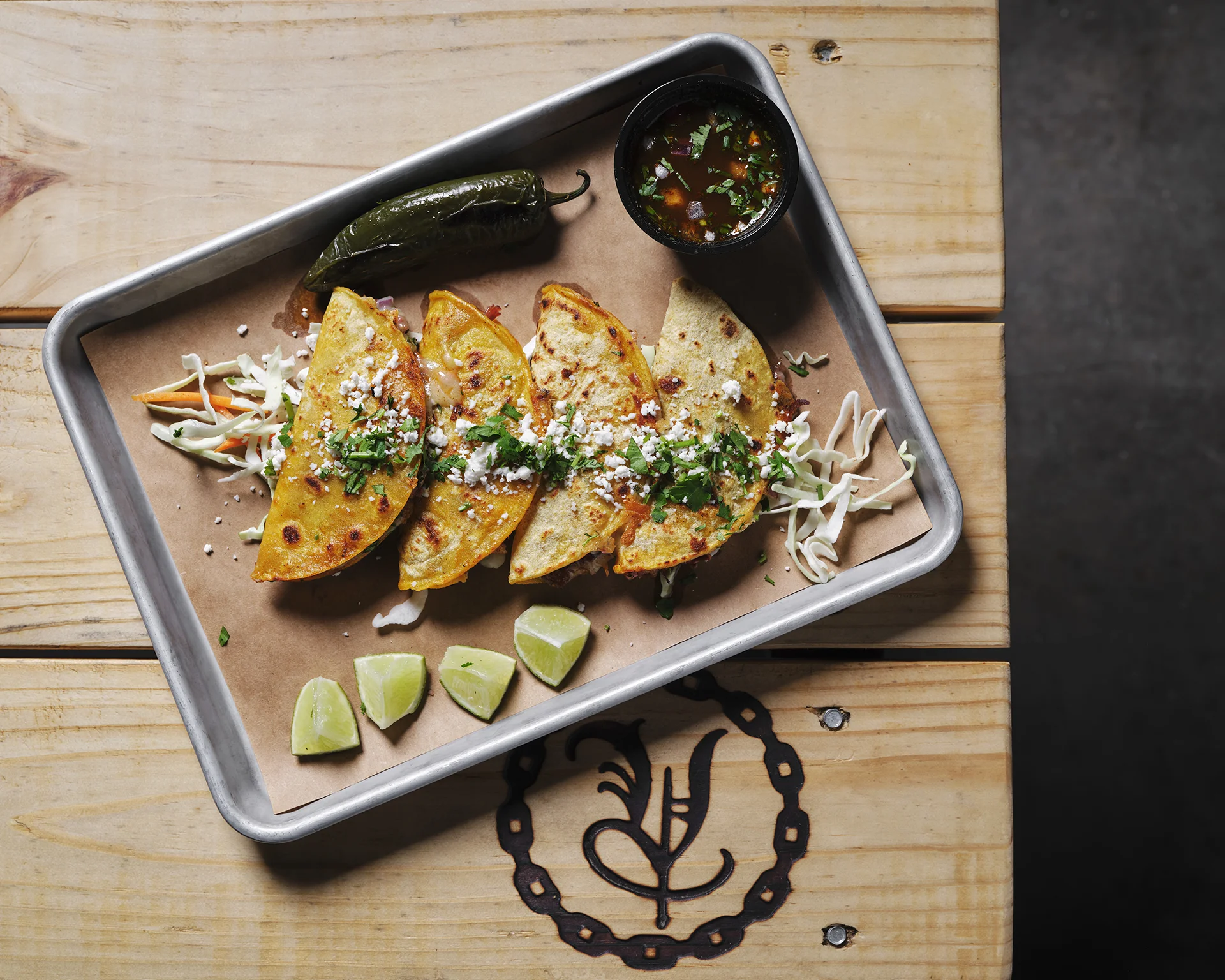
If you want a caterer that feels like a real restaurant showed up, look for chefs who finish dishes to order, clear plating standards, tight timing, and staff who know their roles. After more than 37 years of pitmaster tradition, we take pride in service that’s as dependable as a hickory smoked brisket coming off the pit, and we speak plain about what makes barbecue feel professional and honest. You’ll want written plans for allergies, onsite warming or finishing equipment, and transparent pricing, and there are a few telltale red flags to avoid. Vaqueros Texas Bar-B-Q and its team deliver that Texas BBQ spirit with down-to-earth care that separates polished service from a scramble.
How to Judge Restaurant-Level Catering (5 Quick Criteria)
When you want catering that tastes like it came straight from a restaurant kitchen, focus on five clear criteria that reveal true quality: ingredient freshness, consistent plating and presentation, temperature control from service to plate, menu balance and customization, and professional service standards.
Check ingredient freshness by asking about sourcing, seasonal use, and how long items sit before service.
Inspect sample plates or photos for uniform portioning and clean plating lines.
Confirm how they hold hot and cold items, and whether they use insulated carriers and timed staging.
Make sure the menu can be tailored for dietary needs without losing cohesion.
Finally, evaluate staff training, timing, and etiquette, because professionalism on site makes restaurant-level execution reliable and repeatable.
Menu Design for Restaurant-Style Service
Because guests expect the same thoughtfulness they’d find in a restaurant, design a catering menu that balances pacing, variety, and clarity so every course reads as intentional and serviceable.
Pace courses to prevent overcrowding or long gaps, grouping small bites, mains, and desserts so timing feels natural.
Offer variety across textures, temperatures, and dietary needs without overwhelming guests with choices. Use concise dish names and short descriptions that highlight key ingredients and service style.
Indicate portion format, plated, family-style, or passed hors d’oeuvres, so guests know what to expect and staff can execute precisely. Include logical flow markers, starter, intermezzo, main, finish, and note allergens clearly.
Where appropriate, feature regional favorites like Texas BBQ or other smoked meats, naming hickory smoked brisket or pitmaster-style barbecue when it fits the menu concept. A well-designed menu makes the event feel curated, consistent, and confidently run.
Verify Quality: Tastings, Samples, and Rehearsals
A thoughtfully designed menu sets expectations, and now you’ll want to confirm the food hits those marks in practice. Schedule a tasting with the caterer, bring your key decision-makers, and ask for the exact dishes you’ll serve.
Taste for seasoning, portion size, temperature, and presentation. Note what needs adjusting. Request samples of service styles, plated, family-style, or buffet setups, so you can see timing and flow.
Run a rehearsal for service staging and plating if your event is large or complex. Time courses, watch how servers move, and confirm equipment needs.
If you’re considering Texas BBQ or other smoked meats, ask for hickory smoked samples and a tasting of brisket prepared by the pitmaster to verify seasoning and doneness. Take clear notes and get agreed changes in writing. These steps reduce surprises and make certain the meal you envisioned arrives exactly as planned.
Dietary Accommodations: Labeling and Cross-Contact Control
If guests have allergies or strict diets, tell your caterer exactly what they’re and how many people are affected so they can label dishes clearly and prevent cross-contact. Ask how they separate preparation areas, utensils, and storage for allergy-safe items, and confirm staff training on cross-contact risks. Request clear, visible labels at the service line that list common allergens and note vegan, vegetarian, gluten-free, or halal options. Insist on separate serving utensils and distinct plating for special meals, and verify delivery protocols to keep safe dishes isolated. Get written confirmation of these measures in your contract, and have a point of contact for questions on the event day so you can trust every guest can eat safely.
If your menu includes Texas BBQ or other smoked meats, tell the caterer which items are shared and which must remain completely separate, such as hickory smoked brisket or other barbecue items. Make sure the pitmaster or kitchen lead documents how they avoid cross-contact between smoked meats and allergy-safe dishes, and confirm separate transport and holding procedures for those items.
Timing and Course Flow That Mirror a Dining Room
Now that you’ve secured clear labeling and cross-contact controls, focus on pacing the event so service feels like a restaurant meal. Decide a clear sequence, welcome bites, first course, main, dessert, and share that timeline with staff and the client so everyone knows shifts.
Time each course realistically, allowing 10–15 minutes for starters, 20–30 for mains, and a brief pause before dessert for palate reset and table clearing. Coordinate kitchen and floor so plates leave in sync and guests aren’t left waiting while staff catches up. Build in short buffer windows for speeches or delays. Keep beverage service aligned with courses, pre-dinner pours, matching wines, and timely coffee. When timing’s managed, the meal breathes like a dining-room service.
If you’re featuring Texas BBQ or other smoked meats, plan serving windows with the pitmaster so brisket and hickory smoked items arrive at their best temperature and texture. That coordination ensures barbecue flavors shine and the flow stays smooth.
Plating and Passed Service That Feel Plated, Not Buffeted
Make each bite feel intentional by treating plated and passed service with the same care as a restaurant plate. Arrange components for balance and temperature, portion consistently, and train servers to present and place, not just hand off each dish.
Expect crisp edges, wiped rims, and garnishes that enhance flavor, not just color.
For passed hors d’oeuvres, insist on stable bite sizes and thoughtful skewers or spoons that make eating clean and easy. Plates arriving at tables should be timed so hot items stay hot and sauces don’t congeal. Ask about reheating methods and holding windows to avoid limp vegetables or soggy crusts.
When servers set down dishes, they should announce items and point out ingredients or allergens, so guests know what they’re receiving. If you’re featuring Texas BBQ or other smoked meats, specify how brisket and other hickory smoked items will be rested and served so texture and flavor arrive as intended.
Staffing: Roles, Headcount, and Front‑of‑House Cues to Expect
Plating and polished passed service only land when the team executing them is coordinated, so you’ll want a clear plan for staffing, who’s prepping, who’s plating, how many servers per guest count, and who’s monitoring timing and temperature on the floor.
Know roles, lead server or captain, servers, bussers, a service manager, and a point person for guest concerns.
Ask for a specific server-to-guest ratio, 1:10–1:20 for plated service, higher for passed hors d’oeuvres.
Confirm staggered arrival times so staff can brief and set stations.
Look for visible cues during service, synchronized tray movement, cleared plates within minutes, refills without prompting, and a manager circulating.
Those details tell you the caterer staffs like a restaurant, not a party.
If your event features Texas BBQ or other smoked meats, make sure a pitmaster or someone familiar with hickory smoked brisket is part of the plan, and that timing and temperature checks are assigned so the barbecue arrives hot and rested.
Kitchen Setup and Onsite Finishing Stations
Because a restaurant-style meal depends on timing and heat, you’ll want a clear kitchen footprint and designated onsite finishing stations so food leaves the line exactly as intended. Check that the caterer brings or reserves space for separate hot, cold, and plating zones with proper ventilation and power. Ask how they’ll stage equipment, salamanders, steam tables, induction burners, so items are finished to order, not held and reheated.
Look for a logical workflow, prep nearby, cooking in sequence, plating adjacent to pass-out. Confirm temperature control, safe holding, and a small staging area for garnishes and sauces to be applied last-minute.
For Texas BBQ or any barbecue with hickory smoked brisket and other smoked meats, when setup mirrors a pitmaster’s stations timing, texture, and presentation stay consistent for every guest.
Cost Transparency: What’s Usually Included and Hidden Fees
When you compare caterers, watch the contract closely, listed per-person menu prices often cover only base food and service. Confirm whether staffing, equipment rental, linens, china, glassware, and cutlery, and basic setup are included or added as line items.
Ask if taxes, gratuity, delivery, and fuel surcharges are extra. Check for fees tied to venue rules, insurance certificates, security, or kitchen access charges can appear later.
Seasonal ingredient substitutions and last-minute guest count changes can raise costs, so see how those adjustments are calculated. If you’re hiring a barbecue-focused caterer, clarify what’s included for Texas BBQ or other smoked meats, whether hickory smoked brisket or other items are priced per pound or per person.
Finally, request a clear final estimate that lists each charge so you can compare offers apples-to-apples and avoid surprises when the final invoice arrives.
Red Flags to Watch and Questions to Ask Before Signing
Before you sign, watch for clear warning signs and come prepared with direct questions so you don’t end up with unexpected costs or poor service. Ask whether the quote is final, what’s included, and what circumstances trigger extra charges. Check for vague timelines, unclear staffing levels, or menu substitutions that aren’t pre-approved. Watch for evasive answers about licenses, insurance, or food safety procedures. If references or recent event photos are refused, consider that a red flag.
Demand a written contract that spells out cancellation terms, the payment schedule, and contingency plans for bad weather or vendor no-shows. Confirm who your day-of contact will be and get their cell number. If anything feels uncertain, pause and compare other pros before committing. If you’re hiring a pitmaster for Texas BBQ or barbecue catering, ask about hickory smoked or other smoking methods, how they handle brisket and smoked meats, and whether their staffing and timeline match your event needs.