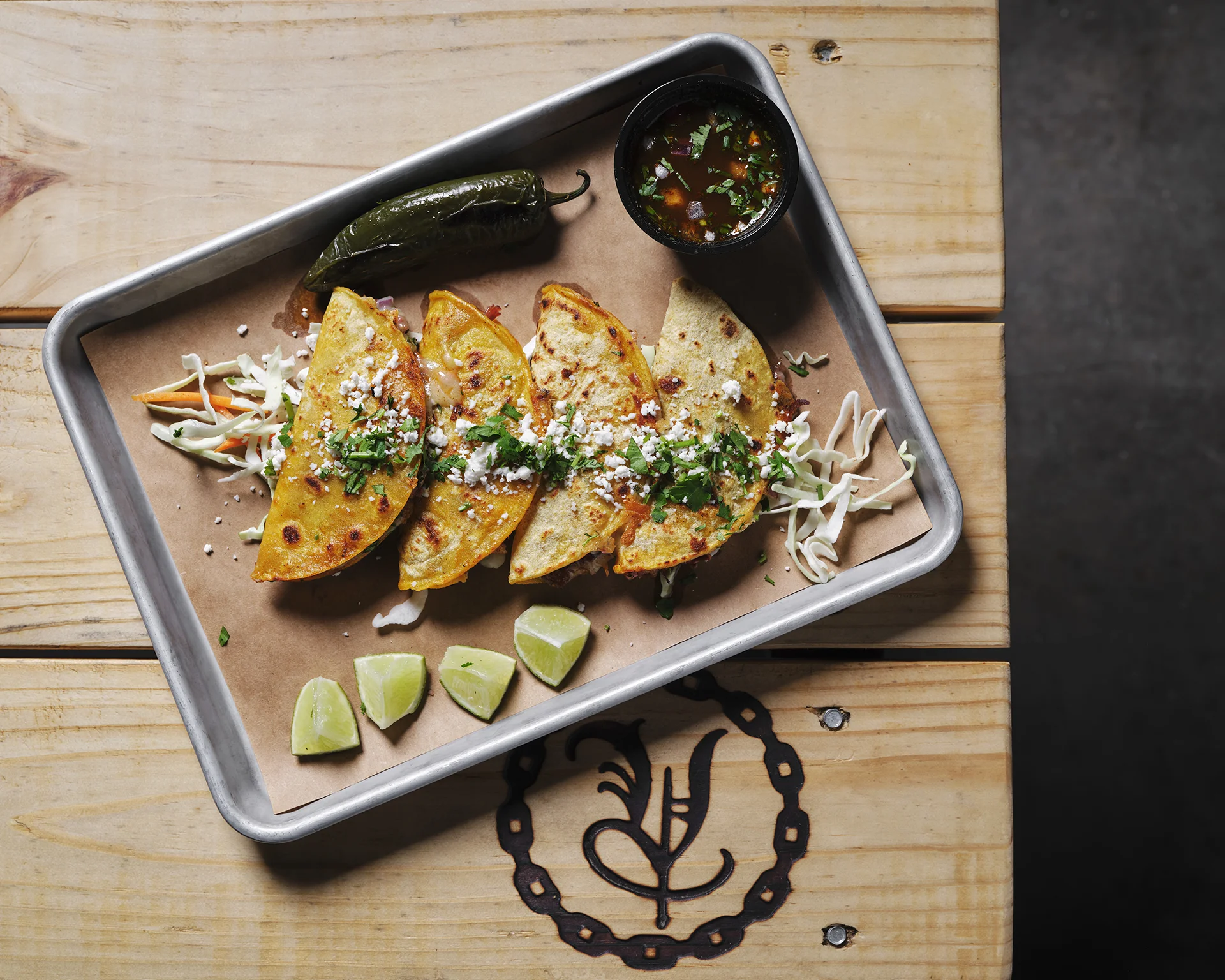
Your next event shouldn’t settle for run-of-the-mill trays and predictable choices, you want food that supports your purpose, reflects your story, and actually gets eaten. When you match menu, presentation, and pacing to the moment, guests remember more than the venue, they remember the experience. If you’re aiming for connection, surprise, or cultural authenticity, there’s a better way to plan the menu.
For over 37 years our pitmasters have been doing things the Texas way, proud and down-to-earth, smoking brisket low and slow over hickory and other hardwoods. From Texas BBQ classics to inventive plates built around smoked meats and barbecue traditions, the food should feel like a welcome, not just catered. At Vaqueros Texas Bar-B-Q we bring that lineage to every event, honoring the smoke, the spice, and the stories that make a meal memorable.
Why Generic Catering Falls Flat
When you pick a one-size-fits-all catering package, you trade personality and purpose for convenience, and your event shows it. Guests will nod politely at food that doesn’t connect to the occasion, remark on portion sizes that miss the mark, and leave platters untouched because you didn’t consider who was coming.
Generic menus flatten cultural touchpoints, ignore dietary needs, and erase the story you intended to tell. You’ll pay for uniformity and miss chances to highlight local flavors, seasonal produce, or interactive stations that spark conversation.
Customization doesn’t require extravagance, it requires thought. Tailor the food to your audience and meals become meaningful moments instead of background noise—think Texas BBQ, hickory smoked brisket, and other smoked meats prepared by a skilled pitmaster for a genuine, memorable experience.
Checklist: Match Menu to Your Event Goals
Before you finalize dishes, decide what you want the food to accomplish, whether to fuel conversation, showcase local producers, accommodate dietary needs, or create a theatrical moment. Let those goals drive every menu choice.
Next, list practical aims: timing, such as sit-down versus cocktail service, budget per head, and venue constraints. Match service style to goals, family-style encourages sharing, passed hors d’oeuvres keep mingling alive, plated courses focus attention.
Specify key dietary needs and cross-contact precautions. If you want provenance highlighted, prioritize seasonality and local sourcing.
If Texas BBQ or smoked meats fit your event, include options like hickory smoked brisket and other barbecue that reflect a pitmaster’s touch, and make sure service and timing suit those dishes.
Build a signature item or color palette that reinforces your theme without overshadowing logistics.
Finally, draft a contingency plan for shortages, last-minute guest changes, and equipment failures, so the menu supports the event and doesn’t complicate it.
How Custom Catering Creates Memorable Guest Experiences
With your goals and logistics locked in, custom catering turns practical choices into moments guests remember.
You choose dishes that echo your event’s tone, playful bites for a launch, refined courses for a gala, so every plate reinforces your purpose. Presentation becomes part of the message, with interactive stations, plated courses, or themed displays that guide conversation and pace. You control sensory details, like seasonal ingredients, aroma, and color, and those choices spark memories long after the last course. Staff interactions, timing, and portioning keep energy balanced and guests comfortable. When food aligns with atmosphere and storytelling, attendees feel seen and engaged. That emotional connection raises satisfaction, encourages sharing, and makes your event distinct from any generic meal offering.
Handling Dietary Needs and Authentic Cultural Menus
Although accommodating dietary needs and authentic cultural menus can seem complex, you can manage both with clear communication, careful sourcing, and respectful preparation.
Start by collecting dietary restrictions early, and log allergies, intolerances, and religious requirements. Work with chefs and pitmasters who specialize in the cuisines you want, so dishes stay true without cross-contamination. For events featuring Texas BBQ or other smoked meats, specify hickory smoked options and label brisket and other smoked meats clearly, offering separate prep and service lines for allergen-free items.
Ask for ingredient lists, rehearse substitutions for common allergens like gluten, nuts, and dairy, and respect cultural practices by consulting community representatives on presentation, portioning, and appropriate accompaniments. Train staff on terminology and handling protocols so guests feel seen and safe.
When you plan this way, inclusivity becomes effortless and enhances the event’s authenticity.
Budget Smart: Where Custom Catering Adds Value (And Where to Save)
If you want to stretch your budget without sacrificing impact, focus your custom spending where guests notice it most: signature proteins, live stations, and thoughtful service touches like plated presentations or a skilled carving station. Prioritize components that create memorable moments, such as a standout main, a chef-attended pasta or grill station, or a curated dessert display, because those drive perceived value.
For events that suit it, consider Texas BBQ or hickory smoked brisket and other smoked meats prepared by a skilled pitmaster to make the main course feel special without adding unnecessary frills.
Save on basics, opt for seasonal vegetables, buffet-style salads, and bulk-baked breads that taste great but cost less. Skip overly complex multi-course plating for larger crowds, unless the experience truly demands it.
Negotiate package elements and limit premium bar options to a signature cocktail plus beer and wine. Choose versatile dishes that scale easily to keep costs predictable without losing quality.
Find and Brief a Custom Caterer Who Gets Your Vision
Start by listing the non-negotiables, guest count, dietary needs, overall vibe, and any venue constraints. That way you can quickly weed out caterers who can’t deliver.
Next, research prospects who specialize in your style, whether that’s farm-to-table, plated service, food stations, or interactive chefs. Ask for recent menus, references, and photos from similar events, and request a tasting that mirrors what you’ll serve.
During the briefing, be specific. Share timelines, peak service moments, presentation expectations, and any signature flavors or cultural touches you want. If you’re considering Texas BBQ or other smoked meats, name the cuts and smoke profile you expect, for example hickory smoked brisket prepared by a skilled pitmaster.
Confirm staffing ratios, equipment needs, cleanup responsibilities, and contingency plans for last-minute changes. Get a clear, itemized contract with the payment schedule and cancellation terms. When a caterer understands concrete details, they’ll translate your vision into a seamless guest experience.