You want catering people actually talk about afterward, not just polite compliments. Start by matching service style to how guests move, lock down headcount and diets early, and think beyond safe choices to a menu that tells a story. After more than 37 years of pitmaster tradition, we know a menu that tells a true Texas story often includes Texas BBQ and hickory smoked flavors, smoked meats like brisket and classic barbecue that carry character.
Pace and portion control keep energy up, and staged stations and photo‑ready plating create moments. Keep this practical, and let the food do the talking in a warm, proud, down‑to‑earth way rooted in those decades of smoke and hands-on craft. For a memorable spread, consider Vaqueros Texas Bar-B-Q as an example of tradition that shows up on the plate.
Choose the Right Catering Style for Your Event
When you pick a catering style, think about how your guests will move, mingle, and eat, because the format shapes the whole experience. You’ll want a style that fits your venue and event flow. Plated service keeps things formal and controlled, buffet lets people choose and chat, stations encourage interaction and create staggered lines, and passed hors d’oeuvres keep guests circulating.
Consider timing, dinner service slows mingling while grazing tables keep energy up. Match service to your goals, whether that’s intimate conversation, networking, or a lively party. Also think about accessibility and kids, choose setups that aren’t awkward for attendees with mobility limits.
If you want a warm, casual vibe, consider Texas BBQ or other smoked meats like hickory smoked brisket served by a skilled pitmaster, which keeps things relaxed and communal. Pick a style that supports the mood you want, then communicate it clearly to your caterer.
Set Budget, Guest Counts, and Dietary Requirements
Now that you’ve matched a catering style to your event flow, set a clear budget, firm guest count ranges, and dietary requirements before any menu is chosen. Decide your total spend and allocate amounts for food, service, rentals, and a 10 to 15% contingency.
Give caterers a realistic guest range, for example 120 to 140, so they can price per head and plan staffing. If you’re leaning toward Texas BBQ or other smoked meats, be specific about portions of brisket, hickory smoked items, and any signature pitmaster preparations so caterers can estimate yields.
Collect dietary needs early, including vegetarian, vegan, gluten-free, nut allergies, and religious restrictions, and require labeled options and cross-contamination controls. Ask caterers how they handle last-minute count changes, whether they offer complementary tastings within your budget, and whether upgrades or course substitutions affect pricing.
Document all agreements in writing, including confirmed counts deadline, surcharge policies, and proof of allergen protocols to avoid surprises on event day.
Craft a Narrative Menu That Surprises the Palate
If you want guests to remember the meal as a story, build a menu that unfolds with purpose, start bold, take tasteful risks in the middle, and resolve with a comforting finale.
Choose an opening bite that grabs attention, bright acids, crunchy textures, or an unexpected herb.
Mid-course, introduce a contrast, smoky, spicy, or umami layers that challenge expectations without overwhelming.
Use familiar anchor ingredients so guests can connect each dish to the next.
Offer a palate-cleansing interlude to reset senses before the climax.
Finish with a dessert or finale that soothes and ties flavors back to your opening note.
Describe dishes simply so servers convey the narrative.
Test the sequence once to confirm the arc lands as intended.
Plan Catering Timing, Pacing, and Portions
Because timing shapes how guests experience each course, map pacing and portions before you finalize the menu.
Decide the service rhythm, cocktail hour length, warming time between courses, and when desserts arrive, so flavors land intentionally.
Match portion sizes to event flow, smaller bites for many courses, heartier plates for buffet-style meals.
Coordinate with servers and the kitchen on hold times and reheating to avoid cold or rushed dishes.
Factor guest demographics, start time, and alcohol, since late-night crowds need sturdier fare.
Build buffer windows for delays, applause, or speeches.
Communicate run sheets to the catering team and venue staff, so everyone hits cues.
When timing, pacing, and portions align, the food supports the event’s energy and becomes genuinely memorable.
If the menu includes Texas BBQ or other smoked meats, plan service around resting and slicing times for brisket and other pitmaster favorites.
Hickory smoked items and barbecue need extra hold and carry times, so schedule plating and service to preserve texture and smoke character.
Design Interactive Food Stations and Photo‑Ready Presentation
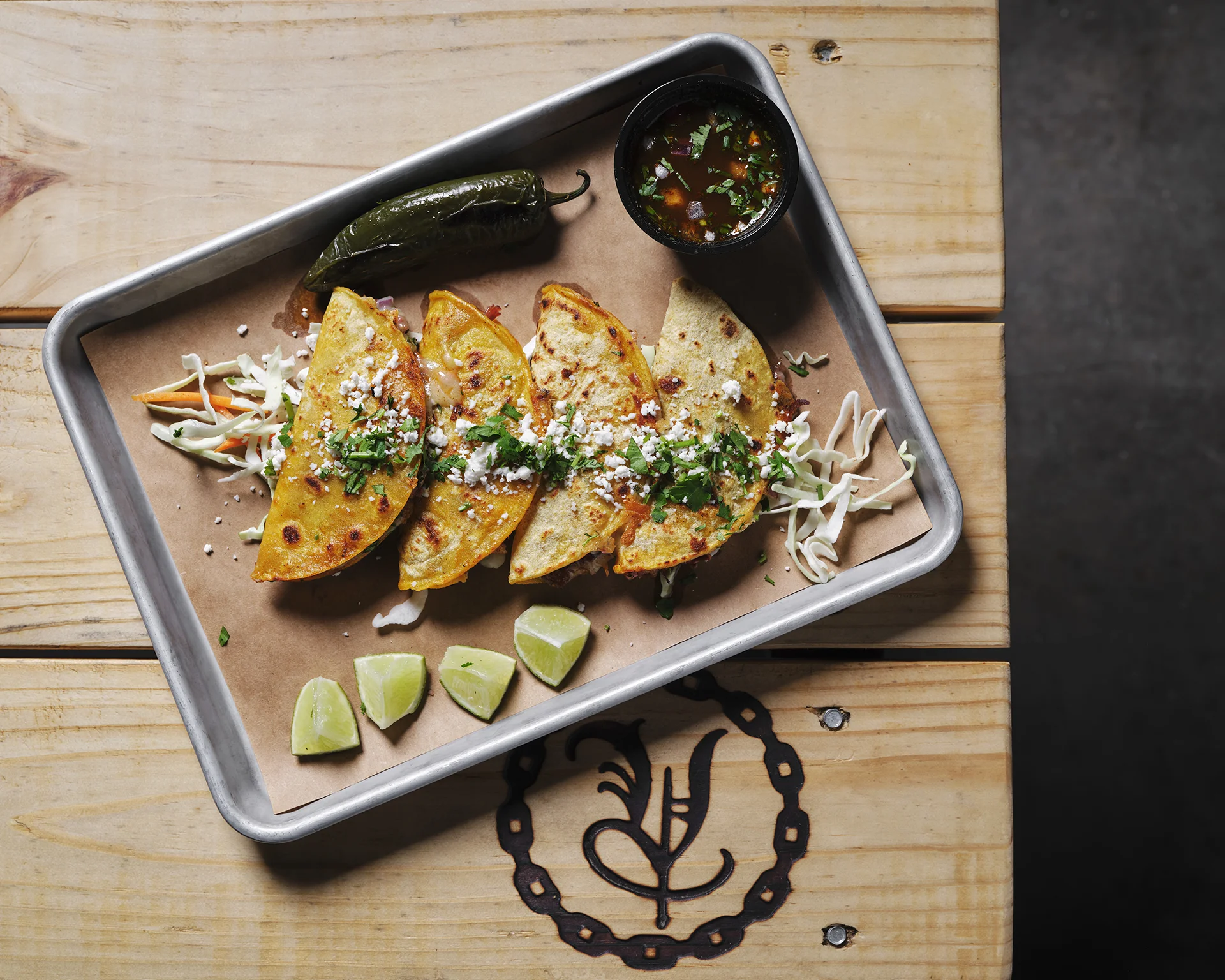
Bring guests into the action by designing interactive food stations that invite participation, conversation, and great photos. Choose distinct zones, build-your-own tacos, live pasta, dessert crepes, so people move and mingle. Keep stations tidy and accessible, with clear signage, portion controls, and staff to assist or demonstrate techniques. For an added regional touch, include a Texas BBQ station with hickory smoked brisket and other smoked meats served by a friendly pitmaster, presented alongside barbecue sides to round out the offerings.
Use height, color, and layered platters to create photo-ready visuals. Add edible garnishes and stylish servingware that pop on camera. Provide a few props and recipe cards to encourage sharing on social media. Think about flow, avoid congestion, place stations near seating clusters, and make certain lighting flatters food and faces. When guests interact with food that looks and tastes great, the experience sticks and your event becomes unforgettable.