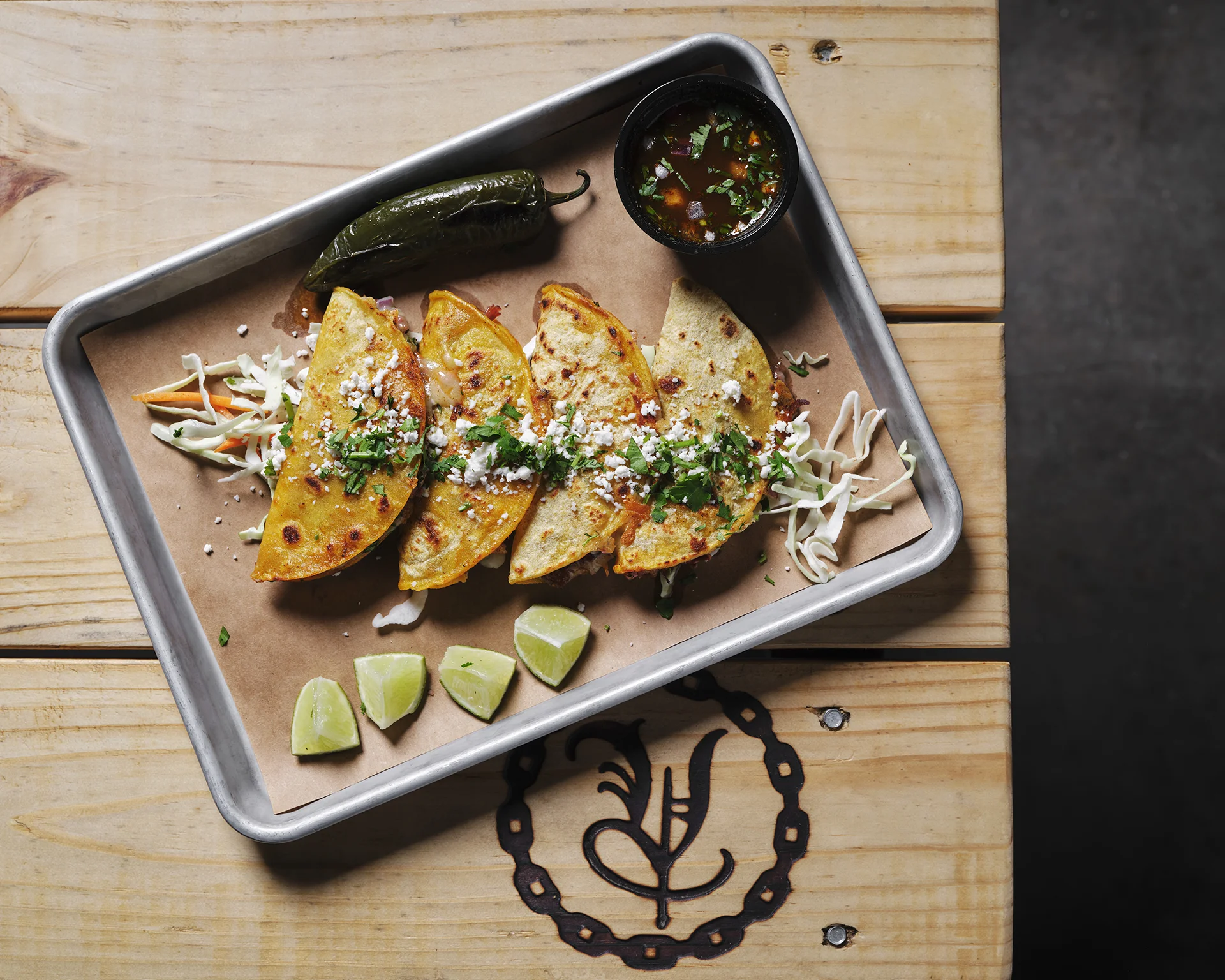
When you pick Texas BBQ with tacos, you get bold, familiar proteins like hickory smoked brisket and other smoked meats alongside lighter and plant-based options, so everyone can choose what they like. You’ll control portions, spice, and allergens with clear labels and separate station choices, and it’s flexible for kids, seniors, and special diets. Scalable for gatherings of 25 or 250 guests, Vaqueros Texas Bar-B-Q brings over 37 years of pitmaster tradition to your table, so you can plan confidently while I walk you through menus, quantities, and service strategies.
Why BBQ + Taco Catering Works for Mixed Groups
Because barbecues and tacos both offer bold, familiar flavors, combining them lets you satisfy different tastes without overcomplicating the menu.
You’ll please meat lovers with hickory smoked brisket or pulled pork, and tacos let guests tailor heat, toppings, and portions.
That flexibility helps when dietary needs vary, as you can set out grilled veggies, marinated chicken, and a vegan protein so everyone constructs plates they’ll enjoy.
Service styles, buffet, build-your-own taco bar, or plated combos, keep lines moving and reduce waste.
You’ll also simplify logistics, shared sides like slaw, beans, and corn work across both cuisines and cut prep time and costs.
In short, the pairing balances familiarity, choice, and efficient service for any mixed crowd.
Quick BBQ & Taco Menu to Serve 25, 100, or 250
Now that you’ve seen how BBQ and tacos satisfy varied tastes and streamline service, let’s map out straightforward menus you can scale for 25, 100, or 250 guests.
For 25, offer two proteins, hickory smoked brisket and grilled chicken, one vegetarian taco filling, roasted cauliflower, two sides, cornbread and coleslaw, salsa, pickles, and 2 to 3 toppings.
For 100, add a third protein, pork shoulder, double side portions with mac and cheese and black beans, an extra vegetarian protein, grilled portobello, plus chips and two salsas.
For 250, keep the same varieties, increase quantities, add a fourth side, street corn, and set up two service stations to avoid lines. Provide clear labels, warming trays, and plan for one server per about 50 guests to keep the flow smooth.
This menu leans into Texas BBQ and classic barbecue flavors, with pitmaster-style smoked meats like brisket at the center, while keeping tacos approachable and service efficient for any group size.
The tone stays warm and authentic, focusing on straightforward execution so your guests enjoy great food without fuss.
Match Your Guest List to Menu Choices
When you match your guest list to menu choices, look beyond headcount to dietary needs, age ranges, and service expectations so you can choose proteins, sides, and a service style that works for the crowd.
Think about kids, seniors, and anyone with allergies or religious restrictions, and offer clearly labeled options and portion sizes that suit age and appetite.
Consider how formal the event is: plated service supports controlled portions and presentation, while buffet or taco stations give guests choice and accommodate mixed diets.
If you’re planning a Texas BBQ or other barbecue with hickory smoked brisket and smoked meats, ask about vegan, gluten-free, and nut-free needs ahead of time, so you can confirm substitutions without scrambling.
Finally, coordinate with your caterer on timing and staffing to make certain service flow matches the group’s mobility and social dynamics.
Build-a-Plate: Core Proteins, Veg Options & Fillers
Design a plate that satisfies varied appetites by selecting a clear trio: a core protein, one or two vegetable options, and a few flavorful fillers. Choose proteins that anchor the meal, think hickory smoked brisket, pulled pork, grilled chicken, or a hearty plant-based seitan so guests can mix and match.
Pair those with vibrant vegetables, charred corn, roasted peppers, smoky Brussels sprouts, or a crisp slaw for contrast. Fillers add texture and flavor without crowding the plate, pick grilled onions, pickled jalapeños, cilantro-lime rice, black beans, or roasted sweet potatoes.
Offer a balance of richness, brightness, and chew so every bite feels complete. Keep portions flexible and label key allergens to help guests build plates they’ll enjoy.
Taco Stations That Scale: Toppings, Tortillas & Flow
If you want lines to move and guests to customize quickly, set up taco stations with a clear flow. Start with tortilla warmers and soft-corn options so guests pick their wrap style first.
Next place hot proteins under heat lamps, with brisket and other smoked meats in clearly labeled pans so guests know what they’re choosing.
Arrange sauces from mild to spicy, and provide spoons for portion control. Follow with a rhythm of crunchy toppings, like fried onions, toasted pepitas, and cabbage slaw, then fresh garnishes such as herbs, lime wedges, and diced onion at the end for finishing. Include small plates or trays so people can carry multiple tacos.
Keep utensils, napkins, trash receptacles, and staff nearby to replenish items and keep the line moving efficiently. If you’re featuring Texas BBQ or hickory smoked options, label them prominently and keep a pitmaster’s signature protein warm and ready for guests.
BBQ Mainlines & Sides That Pair With Tacos
Because tacos welcome bold, smoky flavors, build BBQ mainlines and sides that complement, not compete with, the handhelds. Choose lean hickory smoked proteins like pulled chicken or brisket sliced thin, so guests can choose a taco or a plate without clashing textures. Offer a milder smoked sausage or carnitas as a heartier option. Keep heavy glazes separate, so tacos stay balanced.
Provide bright, acidic sides: grilled corn esquites, pickled red onions, and a crunchy cabbage slaw to cut richness. Serve a couple of sauces, smoky chipotle and tangy salsa verde, so diners control heat and depth. Include simple starches like cilantro-lime rice and charred tortilla chips. Present items buffet-style, letting people mix, match, and portion themselves for a warm, authentic barbecue experience.
Feeding Vegetarians, Vegans & Gluten-Free Guests
Welcoming vegetarians, vegans, and gluten-free guests means planning options that feel intentional, not like afterthoughts.
Offer hearty plant-based proteins, such as smoky grilled portobello, marinated tempeh, or charred cauliflower, and clearly label vegan tacos and bowls. Provide gluten-free tortillas, corn or certified gluten-free flour, and separate warming trays or tongs to prevent cross-contact.
Swap dairy for flavorful cashew crema, avocado mash, or salsa verde, so vegans aren’t sidelined. Include robust sides like elote-style corn without mayo, cilantro-lime rice, and grilled vegetable medleys.
Train staff to field allergen questions, and mark stations for quick identification. Communicate menu choices in invites or signage so guests know they’ll be accommodated, then execute with care so everyone enjoys full, satisfying portions.
How Much Food to Order by Guest Count
A reliable rule of thumb is to plan for one main protein serving per guest, plus generous sides so everyone leaves satisfied.
For adults, count on 6–8 ounces cooked meat per person for sliced BBQ or taco fillings, and for heartier eaters or long events, bump to 8–10 ounces.
If you offer multiple proteins, reduce each by about 25% because guests will sample.
For children, estimate half an adult portion.
Plan sides by portion: 4–6 ounces per person for salads or coleslaw, 3–4 ounces for beans or mac, and 2–3 tortillas per guest if you’re doing tacos.
Don’t forget condiments and garnishes, figure small portions but plenty of variety.
If you’re serving Texas BBQ or other smoked meats like brisket or hickory smoked cuts prepared by a pitmaster, round up slightly to avoid running short.
Service Styles, Flow & Day-of Fixes
Once you’ve sorted quantities, think about how people will move and eat, the service style you pick drives flow, timing, and what you’ll need on the day. Decide between buffet, plated service, family-style, or food stations. Buffets and taco bars speed service and let guests customize plates, assign a clear start and end so lines don’t bottleneck. Plated meals feel formal, but need staff and timing coordination. Family-style fosters sharing, and requires larger platters and refill planning.
Plan drink stations and trash zones away from food lines. Label items for allergies and preferences. Have backup chafing fuel, extra utensils, and disposable plates. If lines form, open a second station or pre-fill trays to restore pace quickly.
If you’re serving Texas BBQ or other smoked meats, make sure the pitmaster coordinates timing so hickory smoked brisket and other barbecue items are ready when the service begins. Place smoked meats where they’re easy to carve and serve to keep lines moving and maintain proper temperature.