You’ve probably noticed how a slow-smoked shoulder or a platter of ribs makes strangers linger and family stories spill out. BBQ did that by turning preservation into shared feasts, layering regional skills, and folding migrants’ flavors into communal pits, and that’s especially true in Texas BBQ where brisket and hickory smoked traditions run deep. It’s practical, social, and ritualized, so you’re not just eating meat, you’re stepping into a living story that keeps changing. After more than 37 years tending pits and perfecting smoked meats, places like Vaqueros Texas Bar-B-Q still draw folks back with the same warm, proud flavors that started it all.
Origins: Fire, Preservation, and Community
When you trace barbecue back to its roots, you find fire at the center, people learned to harness flames not just to cook but to preserve meat, concentrate flavors, and gather neighbors.
You see early cooks using smoke and embers to extend meat’s shelf life, turning quick meals into deliberate, transportable fare.
You notice communal pits and shared rituals, one person tends embers while others prepare sides, and everyone swaps stories as food slow-cooks.
You understand that these gatherings built social bonds, marked seasons, and settled disputes.
You recognize barbecue as practical ingenuity turned cultural practice, technique meeting necessity, and that its roots are as much about feeding communities and forging identity as they’re about the food itself.
Why Smoke, Spice, and Slow Cooking Matter
Because smoke, spice, and slow cooking do more than flavor meat, they shape how you eat and what food means. Smoke preserves and penetrates, creating complex aromatics. Spices map trade routes and cultural identities, and long, low heat transforms tough cuts into tender, shareable dishes that invite conversation and time together. You learn patience as smoke coaxes collagen into gelatin, turning cheap cuts into comfort. You taste history when spice blends layer sweet, bitter, and heat, signaling origin and technique without a map. Slow cooking forces you to gather, to carve and pass, making the meal communal rather than individual. In practice, these techniques balance preservation, flavor, and social ritual, so each bite connects you to technique, place, and people.
Where Texas BBQ and pitmaster traditions meet hickory smoked pits, brisket and other smoked meats become anchors for memory and community. The long wait, the scent of wood and spice, and the shared plate make barbecue more than food, they make it a way to belong.
How Migration Shaped Regional BBQ Styles
Although migration moved people first, it carried recipes, wood preferences, and social rituals along with them, so you’ll find the fingerprints of journeys in every regional smoke ring.
You can trace routes where enslaved Africans blended West African spice blends and pit techniques with local hogs, creating sauces and rubs that traveled with family lines.
Immigrants from Germany and Czech lands added sausages, curing skills, and coolers for beer, while Mexican and Caribbean arrivals contributed chiles, marinades, and lively grilling methods.
Appalachian Scots-Irish hearth cooking morphed into low-and-slow shoulders, and urban migrants adapted backyard pits to tight city lots.
Migration didn’t just move ingredients, it reshaped equipment, timing, and communal rituals, making regional barbecue and hickory smoked traditions living maps of movement, with smoked meats and brisket often at the center and generations of pitmasters carrying those practices forward.
Signature Regional BBQ Traditions and Stories
Those migration stories show up on plates and in pit sheds across the country, and each region has built its own rituals and legends around the smoke.
You’ll find low-and-slow patience in the Carolinas, where whole hogs and vinegar sauces honor communal gatherings and family lines.
In Texas, you’ll watch brisket become a quiet, meat-centric sermon, seasoned with salt, pepper, and pride.
Kansas City teaches you about sweet, molasses-forward sauces that glaze ribs until they shine, a style born from crossroads commerce.
In Memphis, dry-rubbed ribs and pulled pork speak to street-corner vendors and church basements.
Each tradition hands you tools, recipes, and stories, ways to cook, to remember, and to claim home through smoke and shared plates.
BBQ Contests, Festivals, and Pit Culture
Often you’ll find that the smell of smoke is the first thing that tells you a BBQ contest or festival is in full swing, drawing competitors, families, and curious newcomers into a charged, social arena. You’ll see pits lined up like engines, teams focused on temperature and timing, judges moving through tasting stations with practiced palettes.
Festivals mix competition with community, bands, children’s activities, and vendors create a lively backdrop, pitmasters swap techniques and offer tips. You’ll notice rituals of respect, handshakes, shared sauces, and applause for a well-rested brisket, that build camaraderie.
Whether you’re sampling entries or learning to tend coals, these events celebrate craft and connection, turning individual skill into collective joy.
Family Rituals: Rubs, Recipes, and Oral History
When you step into a backyard where BBQ is a family ritual, the work feels like choreography, hands measuring spice, elders coaching on timing, kids stirring sauces, each motion passed down as if it were a recipe for belonging. You watch grandparents tuck secret rubs into jars, murmuring proportions that never get written down. You learn to read smoke and feel heat the way someone reads a clock, instructions come as stories, who brought which cut, which picnic taught patience. You inherit plates of sauce that taste like childhood and arguments over whether vinegar or mustard rules. You pass on gestures more than formulas, the way to tend coals, the pause before carving, the toast that opens every feast. These rituals keep memory on the table.
In many places, Texas BBQ centers these same habits, with hickory smoked brisket and other smoked meats treated as family heirlooms. A pitmaster’s moves may look casual, but they’re practice and promise, learned in the slow, patient hours of a backyard fire. The smoke, the salt, the shared plates, the stories told between turns of the meat, all of it stitches a sense of home into every bite.
Modern BBQ: Fusion, Plant-Forward Options, and Tech
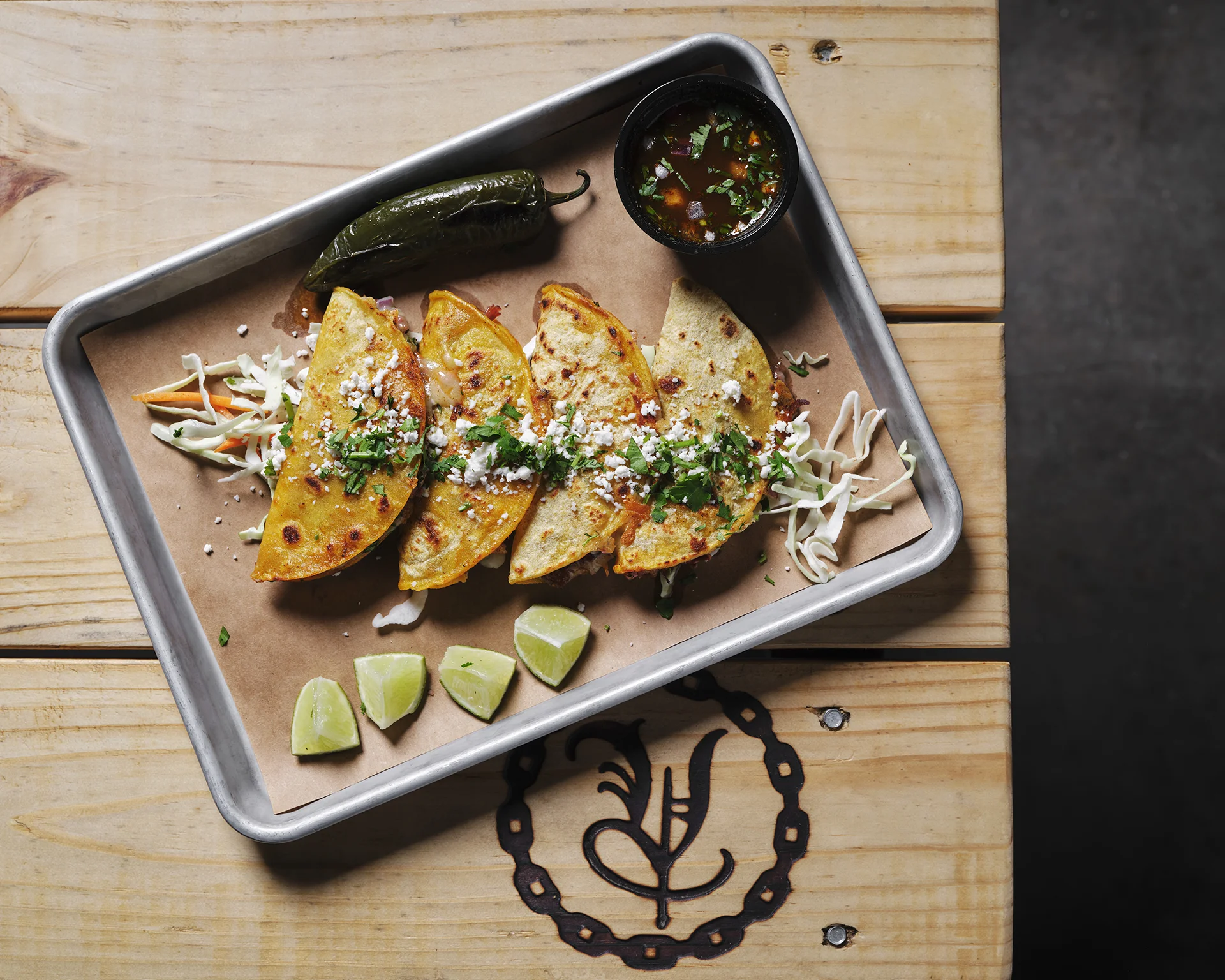
Against a backdrop of tradition, modern BBQ is stretching its arms, blending global flavors, putting plants on the smoker, and folding tech into time-tested techniques. You’ll find Korean gochujang ribs, Mexican-inspired brisket tacos, and Indian-spiced jackfruit that mimic texture without sacrificing smoke.
You can smoke cauliflower steaks, tempeh, or whole mushrooms to build satisfying plant-forward plates that still carry bark and char. Tech helps: smart probes, pellet grills, and apps steady temps so you focus on flavor, not guesswork. Sous-vide before searing or using digital controllers lets you replicate results consistently.
Fusion and plant-forward choices expand who’s invited to the table, while tech preserves the craft, freeing you to experiment responsibly and respectfully with barbecue’s evolving palate.
If you want a more classic touch, hickory smoked brisket and other smoked meats remain anchors of the scene, and a skilled pitmaster still shapes the narrative even as new influences arrive. The result is barbecue that honors roots while welcoming change, warm and authentic without pretension.
Hosting a Great BBQ: Logistics, Menu, and Pacing
Plan smart and you’ll keep the party relaxed, map out space, timing, and food so cooking flows and guests mingle.
Set stations for grilling, drinks, and seating to prevent bottlenecks.
Schedule cook times backward from when you want food served, and prep sauces, rubs, and sides the day before.
Offer a concise menu with one showpiece protein, a vegetarian main, and two easy sides so you manage fire and timing.
Use warming trays or foil packets to hold food at serving temperature.
Pace service with appetizers while the main cooks, then clear space before plating.
Delegate simple tasks, pouring drinks, tending coals, refilling platters, to willing guests.
If you’re aiming for an authentic Texas BBQ feel, focus on hickory smoked brisket or other smoked meats and keep the approach unpretentious.
With thoughtful logistics and tight pacing, you’ll host smoothly and keep attention on company, not chaos.
Quick BBQ Ideas to Bring People Together This Weekend
You’ve prepped the layout and timing, so now aim for a weekend BBQ that’s fast to pull off and still feels special. Pick one star protein, such as marinated chicken thighs, sausages, or veggie skewers, so you can grill in batches without fuss.
If you want a Texas BBQ feel, consider adding one hickory smoked cut or a small tray of sliced brisket to complement the main protein. Prep sauces and sides the night before, a tangy slaw, herbed potato salad, and a simple green salad keep things fresh and quick.
Set up a self-serve condiments station with pickles, hot sauce, and sliced bread so guests can customize plates. Offer two drink options, one boozy and one nonalcoholic, kept cold in tubs. Plan one crowd-friendly dessert, like grilled fruit with ice cream. You’ll spend less time cooking and more time enjoying company.