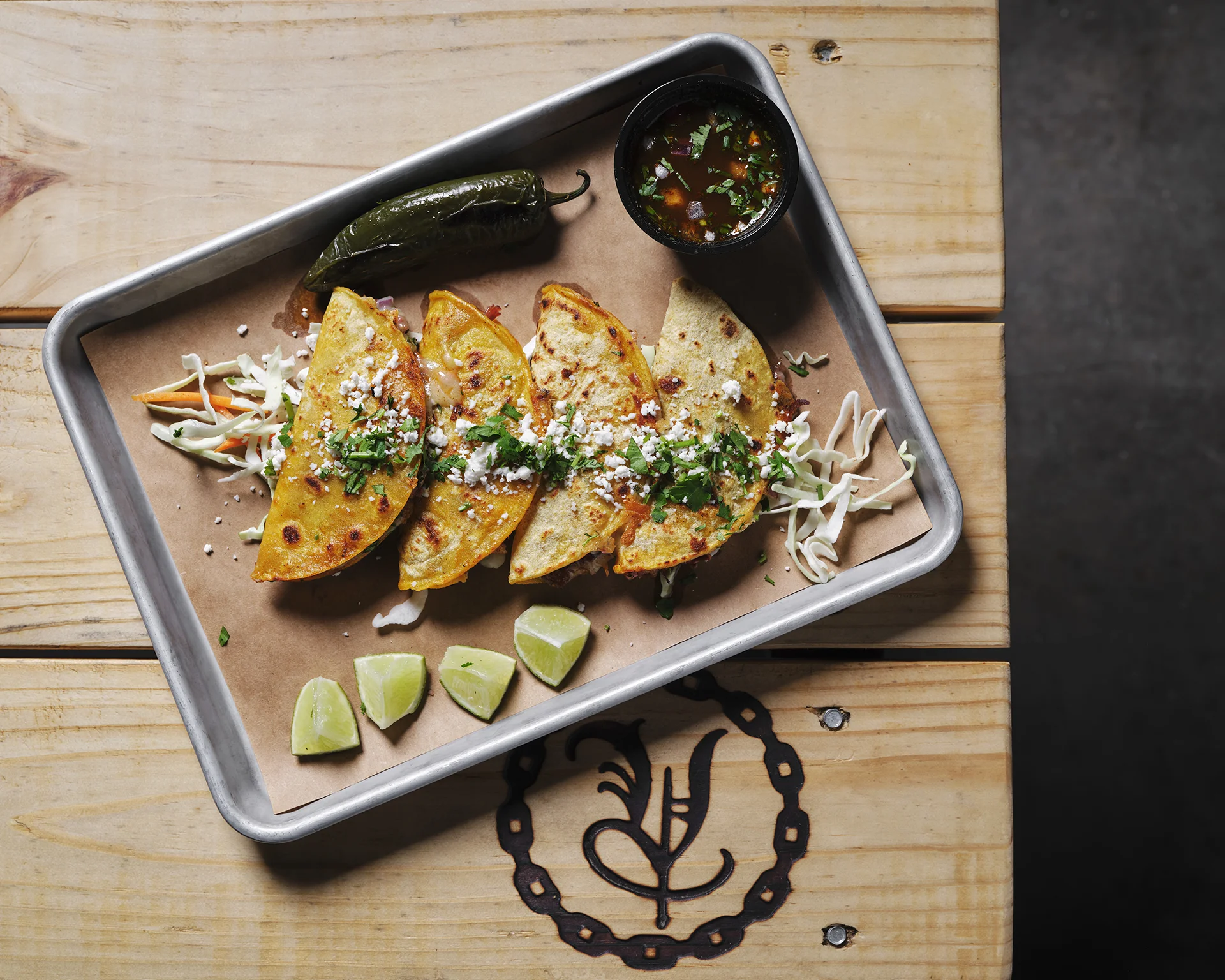
When you slow down, tacos stop being just a quick meal and become layered experiences. After more than 37 years at the pit, we know how collagen melts into silky gelatin, how fats and chiles mellow, and how caramelized aromatics add a quiet sweetness. Textures shift, meat shreds easily, and tortillas soften, and those low, patient hours let flavors marry in ways a rush never will. At Vaqueros Texas Bar-B-Q we speak plain and proud about Texas BBQ and hickory smoked traditions, from smoked meats to brisket, and you can taste the difference that patience and pride bring.
Why Slow‑Cooked Tacos Taste Better
Slow cooking breaks down collagen and fats over time, so your taco filling becomes more tender and flavorful than with quick, high-heat methods. Juices concentrate and meld with spices, giving each bite a deeper, more balanced taste. Cooking low and slow lets connective tissue dissolve without drying proteins, preserving moisture and mouthfeel. Aromatics have time to infuse rather than fade, with garlic, onion, and herbs releasing layered notes that a searing pan can’t fully develop. Maillard reactions still occur when you finish with a quick sear or broil, providing a pleasing contrast to the soft interior. You also get consistency, as textures and flavors even out across a batch, making every taco reliably delicious.
This approach shares roots with Texas BBQ and other smoked meats traditions, where patience yields richly flavored results. Think of the same principles that make brisket and hickory smoked barbecue so compelling: time and gentle heat transform tough cuts into something melting and soulful, and a pitmaster’s care brings out depth you won’t get from a rush.
Taco Parts That Benefit Most From Slow Prep
If slow cooking builds depth in fillings, certain taco components benefit more than others and deserve that extra time and attention.
Prioritize the protein, brisket, pork shoulder, or shredded chicken get tender and flavor-infused when you let them braise low and slow.
Salsas and stews, like rajas or chipotle-tomato blends, gain complexity as ingredients meld, so simmer them gently rather than rushing.
Beans and legumes soften evenly and absorb seasonings when cooked patiently, improving texture and bite.
Even pickled toppings deserve a little rest, quick pickles mellow harshness and balance richness.
Corn tortillas, while not slow-cooked, improve with warmed, rested stacking to rehydrate.
Focus your time on elements that transform with heat and time for the biggest payoff.
How Slow Cooking Deepens Aroma and Texture
When you let taco components cook slowly, volatile aromatics build and mingle, rather than evaporating, so each bite releases layered scents that hint at what’s coming. You notice subtle sweetness from caramelized onions, toasted spice notes that deepen without burning, and citrus or herb oils that infuse rather than fade.
Slow heat breaks down cell walls in vegetables and sauces, releasing flavor compounds and creating silkier mouthfeel. Collagen and connective tissues in gelatinous broths or reduced sauces soften, and they enrich texture without needing protein-cooking instructions here.
Textural contrast improves, with tender fillings sitting against slightly concentrated salsas and softened tortillas that still hold structure. A practiced pitmaster knows how time and temperature coax complexity, letting patience convert simple ingredients into richer aroma and layered texture reminiscent of slow Texas BBQ, hickory smoked brisket, and other smoked meats in their depth of flavor.
Slow‑Cook Protein Techniques for Tender Fillings
Start by choosing the right cut and using low heat. Tougher, collagen-rich pieces like chuck, pork shoulder, short ribs, or brisket are ideal because slow cooking turns collagen into gelatin, giving you moist, shreddable fillings without dry, overcooked meat. Trim excess fat, but leave some for flavor. Season early so salt and aromatics penetrate. Brown the meat briefly to build depth, then add a modest braising liquid, such as stock, citrus, or beer, that won’t dilute taste. Cook at a steady low temperature in a slow cooker, oven, or on the stovetop until the meat pulls apart with little resistance. Rest briefly, then shred and toss with reserved cooking juices to keep it juicy. Finish with fresh herbs and a squeeze of acid for brightness.
For a smoky finish that evokes Texas BBQ, consider finishing with hickory smoked wood chips or finishing under a hot grill to add bark and smoke. Pitmaster techniques like low-and-slow cooking and resting overnight can improve texture and flavor for smoked meats. Keep the approach simple and honest so the natural meat flavors shine.
Slow‑Roasted and Caramelized Toppings That Transform Tacos
Roasting and caramelizing your toppings concentrates their sweetness and adds deep savory notes that lift every bite. Think beyond raw salsa and embrace slow-roasted onions, peppers, tomatoes, and even fruits like pineapple or peaches.
You’ll coax out sugars with low, steady heat until edges brown and juices concentrate. Toss halved tomatoes with olive oil and salt, roast until jammy.
Slow-roast bell peppers and poblanos, then peel for silky skins and smoky depth.
Caramelized onions gain umami that complements braised meats and smoked meats like brisket. Add a splash of vinegar at the end to balance richness.
Roasted fruit turns bright and lush and pairs beautifully with spicy proteins or Texas BBQ and hickory smoked preparations. Finish with a quick squeeze of citrus and a sprinkle of herbs for contrast.
Make Better Sauces: Resting, Fermenting, and Cooling
If you want sauces that sing with depth, give them time to rest, ferment, or cool, each pause lets flavors meld, mellow, and sharpen in different ways.
Let salsas sit for at least 30 minutes so acid and aromatics fuse, you’ll notice brightness without harshness.
For fermented hot sauces, plan days to weeks, controlled microbes add tang, complexity, and shelf stability you can’t fake with vinegar alone.
After cooking, cool emulsions slowly to keep texture smooth, rapid temperature shocks can break sauces.
Taste before seasoning again, resting changes salt perception.
Store cooled sauces airtight, flavors continue settling in the fridge.
Treat time as an ingredient, schedule resting and fermenting into prep so your tacos or Texas BBQ get sauces with real, layered character that stand up to hickory smoked brisket and other smoked meats from the pitmaster’s lineup.
Tortillas for Slow‑Cooked Tacos: Low‑And‑Slow Char, Steam, and Rest
Often you’ll want to treat tortillas gently when serving slow‑cooked fillings, give them a low, even char, a quick steam to soften, and a short rest so they hold juices without falling apart. Heat a dry skillet until warm, then lower to medium low and char each side briefly. You’re aiming for gentle browning, not blistering. Stack as you go to preserve warmth.
Before serving, wrap the stack in a clean towel and steam them for 30–60 seconds over a simmering pot or in a microwave with a damp paper towel, this adds pliability. Let the wrapped stack rest for a minute so steam redistributes. Handle tortillas with tongs or a spatula, overworking them makes tearing more likely when you load slow, saucy brisket or other smoked meats.
Plan‑Ahead Timeline for an All‑Slow Taco Meal
A day before service, map out which components need long cook times, which can finish the morning of, and what you’ll reheat, that way you’ll avoid last‑minute scrambles and keep flavors at their peak.
Next, schedule braises and confits first, set them to finish a few hours before service so flavors meld and fats solidify for easy skimming.
Overnight tortillas or dough should rest in a cool spot, press or shape them the morning of.
Prep salsas, pickles, and crema a day ahead to deepen brightness.
If you’re working with Texas BBQ or hickory smoked brisket and other smoked meats, plan those early in the multi‑day timeline so the pitmaster has time to rest and slice the meat before service.
On service morning, reheat meats gently in covered pans with a splash of stock to preserve moisture, warm tortillas on a comal, and refresh salsas with a quick stir.
Plate assembly should be staggered to keep textures optimal.
Shortcuts That Keep Slow‑Cooked Taco Flavor When You’re Short on Time
When time’s tight, you can still capture that deep slow‑cooked flavor by using concentrated shortcuts, like adding store‑bought bone broth or demi‑glace to boost umami.
Finish quicker cuts, such as pork shoulder chunks or beef chuck, in a pressure cooker, then fold in a bit of rendered fat or reduced pan juices at the end to mimic braised richness.
Use spice pastes and roasted chiles that you toast once, then blitz to create instant depth.
Caramelize aromatics well, because that Maillard work adds a slow‑cooked note quickly.
Shred the meats and briefly sauté them in the reduced sauce so they soak up flavor.
Finish with acid, lime or vinegar, and fresh herbs to brighten and replicate the layered complexity that hours in the pit or a hickory smoked brisket would normally provide.
Common Mistakes When Slow‑Prepping Tacos : Fixes and Troubleshooting
If your slow-prep tacos don’t hit the mark, it usually comes down to a few predictable missteps, like undercooked connective tissue, diluted seasoning, or skipping the rest that steals moisture and depth.
First, if the meat stays chewy, increase the low-and-slow time or slice against the grain, since connective tissue needs patience, not more salt.
Second, if flavors taste thin, concentrate the cooking liquid by reducing it, or finish with a bold splash of vinegar, lime, or salsa to sharpen.
Third, if fillings go dry, rest the cooked meat in its juices and shred just before serving.
Fourth, if tortillas tear, warm them gently and keep them covered.
Taste as you go, adjust acidity and salt at the end, and don’t rush the final assembly.
If you’re coming from a Texas BBQ or brisket mindset, the same rules apply to smoked meats, whether you’re working with hickory-smoked brisket or other cuts, because patience and proper resting are what make a pitmaster’s work worth the wait.