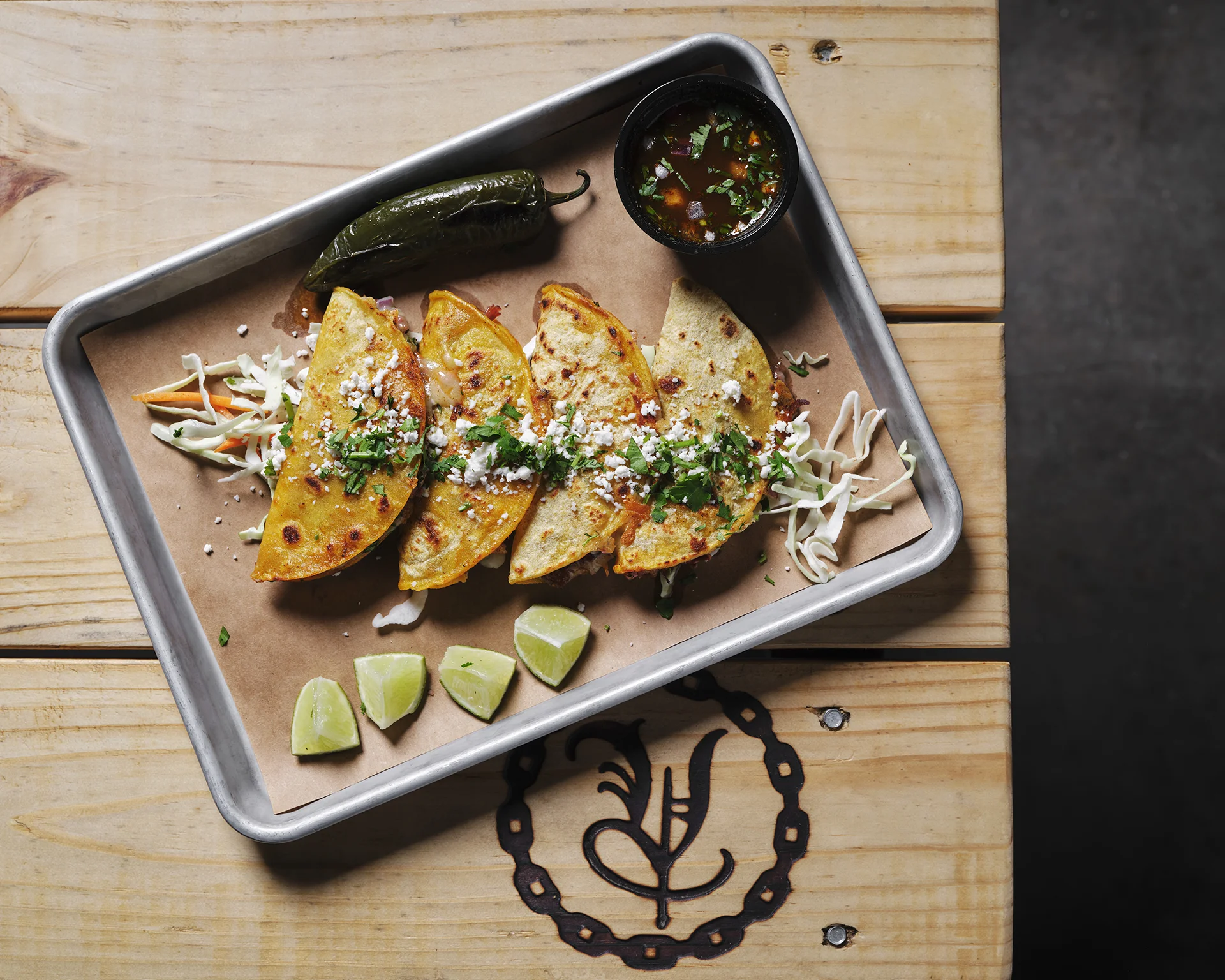
When you order birria tacos, your nose and hands tell you more than the menu will. Look for a deep, glossy mahogany consommé with roasted-chile perfume, tortillas that bend without falling apart, and meat that pulls into juicy strands. These subtle cues usually mean someone spent hours simmering and toasting chiles, and if the kitchen respects tradition you might also notice a smoke-kissed depth that nods to Texas BBQ and hickory smoked methods used for smoked meats and brisket. After more than 37 years as pitmasters, we speak with the kind of warm, proud Texas voice that comes from tending the fire, and you can taste that patience and craft in every bowl and taco. Vaqueros Texas Bar-B-Q carries that heritage forward in each savory, honest bite.
Smell the Birria Consommé
Lean in and breathe, the consommé tells you most of what you need to know. You’ll first notice depth, roasted chilies, toasted spices, and slow-braised meat should mingle, not fight. If the aroma leans sharply of one spice or reeks of vinegar, it’s a red flag. Authentic consommé smells rich and savory, with an underlying bone broth warmth and just a hint of char from rehydrated chilies.
You’ll detect faint herb notes, oregano or bay, that frame the profile without overpowering it. Clean fat presence is normal, an overly greasy or chemical scent isn’t. Trust your nose, a balanced, layered consommé usually means the birria was simmered low and long, not rushed or masked.
Inspect the Birria Braise Color and Gloss
When you lift the lid, let your eyes judge the braise first: a deep, mahogany-red color with a glossy sheen usually signals well-developed caramelization and properly reduced chiles, while a dull, brownish hue or a matte, oily surface can mean under-roasted peppers or excess fat.
Look for an even, lacquered surface that reflects light without floating pools of grease, that shine comes from emulsified juices and reduced sauce, not just oil. Tiny flecks of darkened chile and caramel indicate proper toasting and simmer time.
If the color feels flat or the sheen breaks into large oil droplets, the cook likely didn’t concentrate flavors or trimmed fat poorly. Use color and gloss as quick visual proof of careful technique.
Test the Meat Texture: Tender and Strandable
Once you’ve judged the braise by color and gloss, check the meat itself, it should yield easily to gentle pressure and pull into long, moist strands rather than shred into dry flakes.
Use a fork or tongs to prod a piece, if connective tissue has broken down, the fork will slide through and the meat will separate into ribbon-like fibers.
Notice moisture, juicy strands cling together and glisten, not crumble.
Smell and feel matter, tender meat feels supple and gives without resistance, while undercooked cuts resist and overcooked ones dry into coarse bits.
Good homemade birria shows consistent texture throughout, not a mix of chewy patches and mush.
That even tenderness signals proper slow cooking and real craft.
Watch Tortilla Behavior: Pliant, Cr Isp Edges, Not Soggy
Often you’ll judge a birria by how the tortillas behave, they should be pliant with crisped edges where they’ve kissed the griddle, not soggy from too much consomé.
Watch how the tortilla folds around the meat, it should bend without tearing and hold warmth, showing fresh masa rather than a rubbery, reheated feel.
Crisped rims mean a hot comal contact and deliberate toasting, adding texture contrast to the juicy filling.
If the tortilla’s drenched, limp, or falling apart, the taco was likely oversaturated or assembled carelessly.
Also notice small char spots and a light oil sheen, signs of pan-searing, not deep frying.
These clues tell you whether someone treated the tortilla as an active partner, not an afterthought.
Tell Real Chile Work From Powdered Shortcuts
If you want to tell real chile work from powdered shortcuts, trust your nose and texture as much as your taste. Real chile blends smell vegetal, smoky, and slightly fruity, complex, not one-note.
You’ll notice whole rehydrated chiles or toasted seeds give a broad, layered aroma, powdered mixes often smell flat, metallic, or overly salty. Run a finger through the sauce, genuine chile paste feels silky with tiny flecks or fibers, powdered shortcuts can leave a chalky residue or dissolve too evenly.
On the tongue, fresh chile brings lingering heat that evolves, while powders spike quickly then fade. Also look for oil separation and visible chile skins, signs someone worked the chiles, not dumped a jar of powder.
How to Spot a Slow-Simmered Birria Broth
When you taste a truly slow-simmered birria broth, you’ll notice a deep, layered savor that unfolds gradually, not a single sharp hit of salt or spice.
You’ll detect gentle meatiness from bones and connective tissue dissolved into the liquid, plus toasted dried chiles and aromatics that have mellowed and married together.
The broth feels silky on your tongue, not oily or thin, and fat should coat lightly, carrying flavor without greasiness.
You’ll find faintly sweet notes from caramelized onion or tomato, and an underlying tang from a careful balance of vinegar or citrus, not an aggressive pucker.
If the broth tastes cohesive, complex, and balanced, each sip reveals something new, and it can stand comfortably alongside smoked meats like brisket or other barbecue favorites, the kind a pitmaster would respect.
Visible Kitchen Cues That Mean House-Made Birria
In a kitchen where birria is truly house-made, you’ll spot practical signs before you taste it. Charred ancho skins cool on a rack, a heavy pot stained with reduced tomato and chile paste sits on the range, and strands of meat on the cutting board still glisten with freshly rendered fat.
Bowls of toasted spices and cilantro wait for assembly, and a mortar bears a smear of ground garlic and seeds.
Tortillas are stacked under a cloth to steam, and a ladle darkened from scooping rich consommé hangs nearby. Cutting boards show knife marks and small pools of juices, while grease-splattered countertops near the stove tell you simmering was recent.
These tangible cues point to hands-on preparation rather than reheated, mass-produced birria, the kind of care you might also expect from a pitmaster turning out smoked meats or hickory-smoked brisket in a barbecue kitchen.
Taquería Workflow Clues: Timing, Staff, and Service
Those kitchen signs tell you a lot, and the rhythm of service reveals even more about how a taquería operates.
Watch how orders flow. Steady lines and short waits usually mean prep is done ahead, while staggered bursts and long pauses suggest on-the-spot cooking.
Notice staff roles, if one person tills, one plates, and another manages the grill, they’ve likely practiced a scratch workflow.
Listen for steady chopping, simmering sounds, and the click of timers, they point to real braising routines.
See if servers can accurately describe ingredients and cook times, that familiarity comes from daily handling.
Finally, check turnaround. Consistent quality during busy periods implies a controlled, crafted process rather than reheated shortcuts.
Quick Questions to Ask When Ordering Birria Tacos
Ask a few targeted questions before you order and you’ll quickly tell whether the birria’s made from scratch or just reheated.
Ask where the meat comes from and how long it’s been cooking, homemade birria will mention a simmer time, slow braise, or specific cuts.
Ask if they make the consommé or use a pre-made base, a fresh consommé will be rich, not thin or overly salty.
Ask about their tortilla prep, are they dipped in consommé and fried to order?
Ask if they assemble tacos per order or plate batches ahead.
Listen for confident, specific answers, vague replies about "prepped earlier" or avoiding details suggest less fresh methods.
Be polite but curious, staff usually appreciate genuine interest.
Red Flags That Mean Reheated or Mass-Produced Birria
When something tastes flat, overly salty, or oddly uniform, you’re likely eating reheated or mass-produced birria, not a handcrafted braise.
You’ll notice dry, stringy meat that lacks gelatinous richness or a glossy consomé, which is a sign it was frozen, skimped on collagen, or simmered too briefly for depth.
Uniform spice and color across batches means powdered blends, not toasted chilies and whole aromatics.
If the tortilla sogs quickly and smells of oil instead of nixtamalized corn, the filling was likely reheated or sitting in grease.
Beware overly bright red sauce, it can mask age with food coloring.
Ask when it was made, watch for steam tables, and trust texture and aroma more than flashy garnishes.