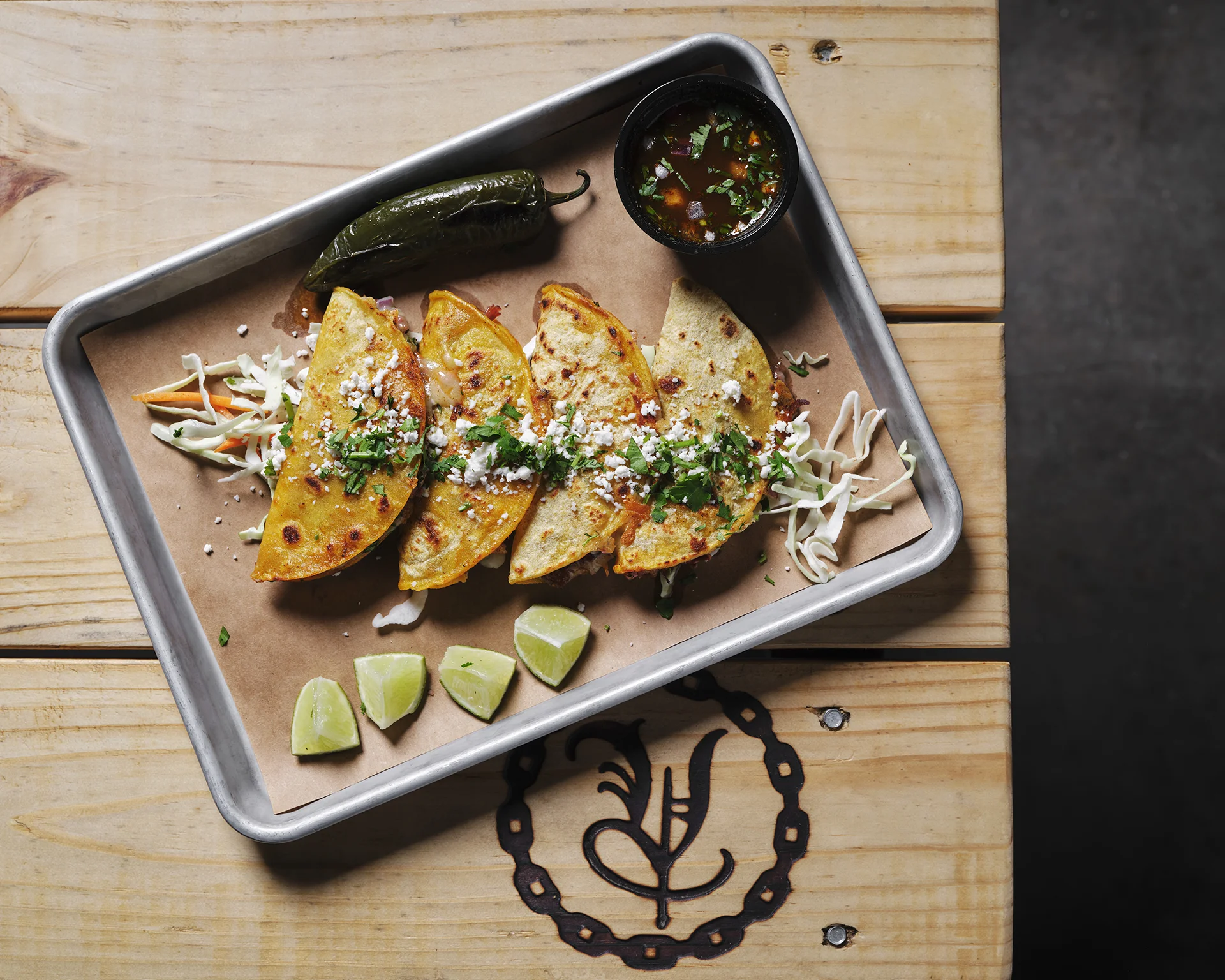
When you sip a birria consommé, you get an honest preview of the tacos to come. The aroma tells you about the balance of chiles and herbs, the gloss and mouthfeel reveal rendered fat and collagen like the braises we respect after decades of Texas BBQ and hickory smoked traditions, and the first taste flags salt, bitterness, or stale spice. Listen to those cues before you dunk your tortilla, they’ll tell you whether the filling will sing or sink. At Vaqueros Texas Bar-B-Q we speak with the steady confidence of over 37 years of pitmaster practice, proud of the barbecue, smoked meats and brisket knowledge that shapes every bowl.
Instant Signs a Birria Consommé Is High‑Quality
When you dip a spoon into a great birria consommé, a few immediate things give it away: a deep, balanced color that’s neither muddy nor watery, a glossy surface from properly rendered fat, and an aroma that hits you with slow-cooked beef, toasted chiles, and warm spices without any single note overpowering the rest.
You’ll notice the liquid coats the spoon, indicating gelatin from well-braised connective tissue. Tiny suspended particles should be minimal, clarity shows careful straining. Taste confirms depth, savory umami, a touch of acidity to brighten, and heat that lingers rather than overwhelms.
Temperature matters too, hot consommé releases flavors and feels clean on your palate. These signals tell you the birria was cooked with time, technique, and quality ingredients, the same attention a pitmaster brings to Texas BBQ and hickory smoked brisket shows up in any well-made smoked meats.
Aroma: What the Consommé Reveals About Spice Balance and Freshness
How does the consommé’s aroma tell you about the spice balance and freshness? You’ll notice first whether chilies, garlic, and herbs are in harmony or fighting for attention. A clean, layered scent, warm ancho or guajillo, bright oregano, subtle garlic, means the cook balanced spices and used fresh aromatics.
If one note dominates, the blend’s off, overpowering cumin or stale chili suggests overuse or old spices. Crisp, slightly acidic top notes indicate fresh tomatoes or vinegar, damp, muted smells point to aged or poorly stored ingredients. Also watch for off odors, mustiness or metallic traces mean problems with storage or stock.
Mouthfeel and Gloss: Fat, Technique, and How They Feel on the Tongue
Smelling the consommé primes you for what your tongue will meet, fat and technique shape the way birria feels in your mouth. You’ll notice a glossy sheen coating the surface, not just pretty, but a sign that collagen and rendered fat have emulsified into the broth. That gloss translates to a slick, velvety slide across your tongue, carrying heat and soluble flavors more efficiently than a watery consommé.
Pay attention to weight, a light, clean film suggests careful skimming and balanced fat, a heavy, cloying coat can mean excess grease or inadequate degreasing. Texture also reveals technique, sticky, unbroken gloss points to long, low simmering and proper reduction. Your mouth tells you whether the cook respected fat as flavor carrier.
Depth of Flavor: What Long Cooking and the Meat Cut Should Taste Like
Plunge into the consommé and you’ll notice layers that only time and the right cut of meat can build: a deep, savory backbone from collagen and marrow, bright notes from toasted chiles and aromatics, and a faint sweetness that comes from long, gentle cooking.
You should taste meat that’s fallen apart, yet still carries character, beefy and slightly gelatinous, with connective tissue converted into a silky mouthcoating. The cut matters. Chuck or short rib gives unctuous depth, while leaner cuts won’t yield the same body. Slow braising also concentrates umami without becoming stewy, and acidity from vinegar or citrus should lift flavors, not mask them. When the consommé and meat sing in balance, you know the cook invested hours and chose well, the kind of care a pitmaster brings to Texas BBQ and smoked meats like brisket, with hickory-smoked depth that feels warm and authentic.
Salt, Bitterness, and Off‑Notes: Red Flags That the Kitchen Cut Corners
If the consommé hits you with flat saltiness, a lingering bitterness, or unexpected metallic or soapy notes, the kitchen likely cut corners somewhere in the process. You should expect balance, savory depth, bright acidity, and a clean finish. Excess salt often masks undercooked bones or insufficiently reduced stock, it’s a shortcut to fake richness.
Bitter tones usually come from scorched chilies, charred aromatics left too long, or burnt fat skimmed back in, and those flavors can overpower everything else. Metallic or soapy impressions point to poor-quality cookware, detergents not fully rinsed, or off meat. When these off-notes dominate, the rest of the taco suffers, you’ll taste them through the tortilla and cheese, a clear signal the consommé wasn’t handled with care.
Good smoked meats, whether a hickory smoked brisket or a slow pit barbecue, show attention to detail at every stage. A true pitmaster knows the difference between depth of flavor and shortcuts that leave a chemical or burnt aftertaste. When the consommé is clean and balanced, it lets the smoked meat shine instead of competing with it.
Visual Clues That Show a Strong Birria Stock
Look for a consommé that gleams with clarity and depth, those visual signals tell you a lot about how the stock was built. You want a rich mahogany or deep copper hue, indicating proper roasting of bones and chiles rather than a watered-down broth. Tiny suspended droplets of fat should coat the surface without making it greasy, that sheen carries flavor and mouthfeel. Minimal cloudiness means fats were skimmed and solids strained, so the flavor concentrates rather than muddles. Look for floating flecks of herbs or spices that suggest fresh aromatics, not prepackaged mixes. If you see a dull, pale, or overly cloudy consommé, the stock was likely rushed, over-diluted, or made from low-quality scraps.
When a consommé shows those qualities it pairs beautifully with smoked meats, and the same care that produces a great birria stock is at home beside Texas BBQ and hickory smoked brisket, where depth and clarity of flavor matter. Keep an eye out for that deep color and clean finish, they tell you the pitmaster put time and attention into the foundation.
Taste‑Test Checklist: What to Sip, What to Dunk, and What to Note
When you taste birria, start by sipping the consommé to gauge heat, acidity, and savory depth, then dunk a tortilla or meat afterward, this order keeps the flavors distinct so you can tell what the stock actually contributes.
Note spice balance — does chili bite or merely season? — acidity — brightness from vinegar or citrus? — and umami richness — meaty, gelatinous mouthfeel?
Then dunk a warm tortilla, does it soak without falling apart? Dunk meat next, does it add fat and aromatics without muddying the broth?
Between sips, assess aroma, salt level, and lingering finish. Jot quick notes: too salty, thin, overly acidic, or beautifully rounded.
These observations help you judge technique, simmer time, and ingredient quality, and they apply whether the birria sits alongside Texas BBQ favorites like brisket or smoked meats, or is part of a barbecue lineup from a skilled pitmaster.
Quick Decision Guide: Order, Return, or Skip Based on the Consommé
Though you might be drawn to a glossy plate of tacos, let the consommé decide. Sip it first, and you’ll know whether to order confidently, request a redo, or walk away.
If it’s rich, balanced, and aromatic with a clean beef backbone, order, your tacos will likely mirror that depth. If it’s thin, bland, or oddly sweet, ask for a redo, a quick reheating or extra braising liquid can fix underseasoning. If it smells sour, metallic, or overly fatty, skip it, those are signs of poor stock or spoiled meat. If you taste flat heat, request added chiles or salsa rather than sending it back.
Use the consommé as your shortcut to a reliable birria decision, and if you’re pairing it with Texan-style smoked meats like brisket or other hickory smoked barbecue, let the broth’s clarity guide you toward the best pitmaster-level flavors.