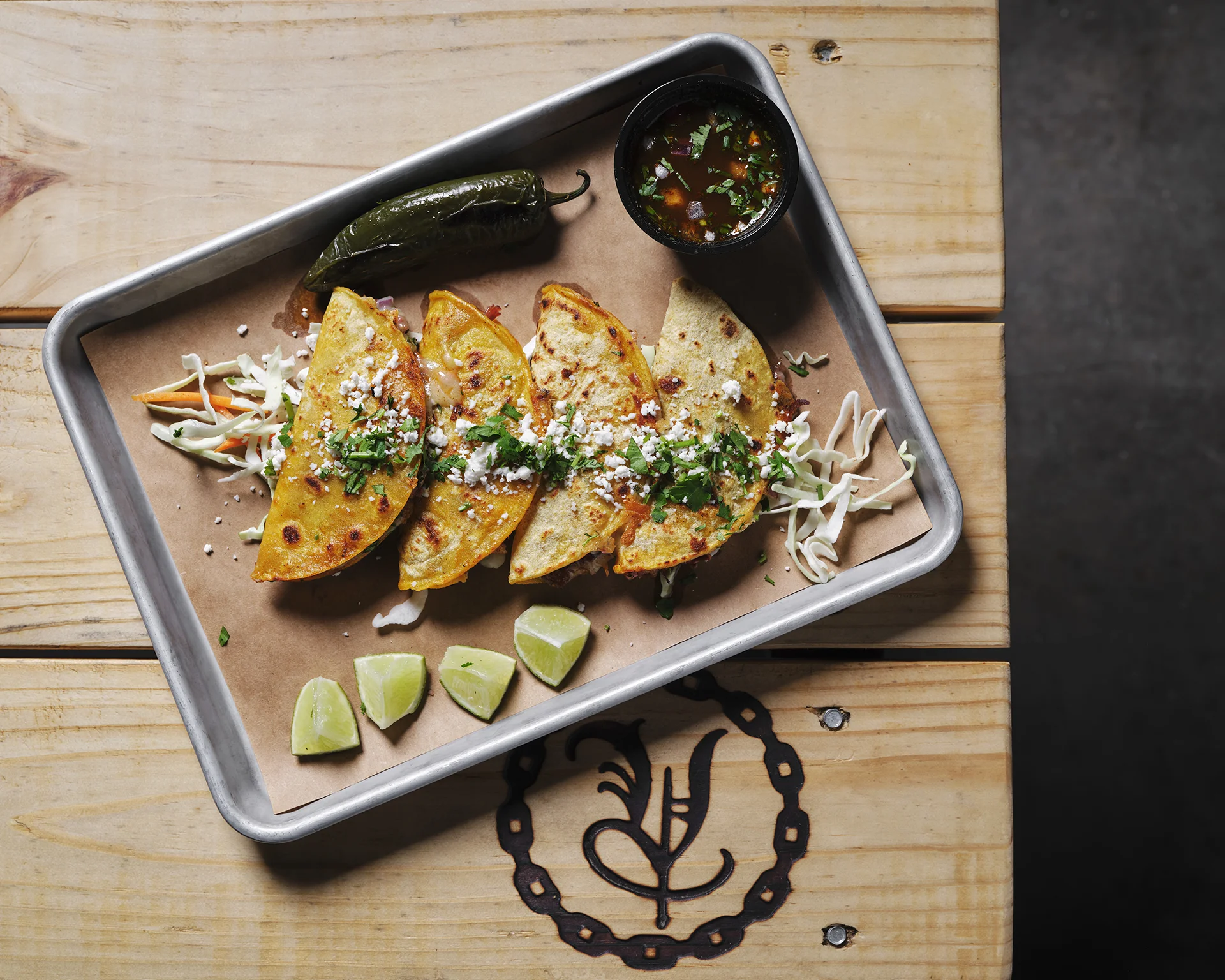
You’ve probably seen a line snake around a cart for birria tacos and wondered why everyone’s obsessed. You bite into layers of slow‑braised meat, toasted chiles, and tangy lime, then dunk a crisp, cheese‑slick tortilla into hot consomé, and you get why folks can’t get enough. There’s history, careful technique, and a few smart menu moves behind that bite, and once you trace them the dish’s spread makes a lot more sense.
Around here we talk about flavors like we talk about family, with a Texas BBQ sensibility that respects smoke and time. Think of the same reverence you give to hickory smoked brisket and smoked meats, carried over to a braise that’s built on depth and patience. That connection between slow cooking and bold, simple ingredients is how birria became both comfort and craveable.
After more than 37 years of pitmaster tradition, you learn to read a crowd and build a menu that pulls people in. Vaqueros Texas Bar-B-Q has seen what happens when barbecue instincts meet Mexican roots, and that blend of heritage and hospitality is what turns a good taco into something folks line up for. We’re proud to hand you a bite that tastes like home, smoke, and a whole lot of hard work.
Origins and Street‑Corner Roots of Birria
Though you might first encounter birria at a trendy taco stand or a late-night truck, its roots go back to the rural kitchens of Jalisco and neighboring Mexican states, where families slow-braised tougher cuts of goat or beef in a rich, chile-spiced broth to celebrate weddings and festivals.
You’ll find birria born from necessity. Cooks turned affordable, chewy meat into something tender and flavorful by braising it slowly with dried chiles, garlic, oregano, and vinegar.
As people migrated to cities, they brought those recipes and adapted them for busy streets, selling portions by the bowl or folded into tortillas for commuters.
You’ll recognize birria’s appeal in that combination of deep, smoky chiles and melting meat that’s intensely satisfying, and that same love of smoke and slow cooking resonates with traditions from Texas BBQ and the world of brisket and smoked meats.
Regional Variations: Quesabirria, Tacos De Birria, and More
When birria left Jalisco, it didn’t stay the same, regional cooks and street vendors reshaped it into dozens of variations to suit local tastes and practical needs.
You’ll find quesabirria folding melted cheese and stewed meat into a crisp, greasy shell, which you pick up with a slick of consommé for dipping. In Baja and northern Mexico, vendors lean into beef and charred tortillas, while in Guadalajara you’ll meet goat or lamb preparations with brighter salsas.
Some places stuff birria into burritos, tlacoyos, or tortas, others serve it as consomé-forward bowls with rice and onions. Each version adapts spice blends, cheese choices, and serving style to local ingredients and eating habits, so you can taste place as much as technique.
Why Birria Tastes Addictive: The Flavor Science
All those regional tweaks don’t just change presentation, they alter the chemistry on your tongue. You get hit with layered umami from slow-braised beef and roasted chiles, collagen turning to gelatin that coats your mouth and prolongs flavor. Maillard browning adds savory, roasted notes, while dried chiles contribute fruity, smoky, and mildly bitter compounds that balance fat.
Acidity from vinegar or lime lifts richness, making each bite feel lighter and inviting another. Texture plays a role, crisped tortilla edges contrast tender meat and trigger varied sensory feedback that rewards chewing. Spice stimulates mild pain receptors, releasing endorphins that feel pleasurable. Salt enhances all these elements and encourages appetite. Together, these mechanisms create a loop, satisfying, memorable, and hard to stop eating.
How Chefs Turned Birria Into a Menu Staple
Chefs reimagined birria by stripping it down to its essentials, rich braising, bold chiles, and crisped tortillas, then rebuilding those elements for speed, consistency, and profit.
You streamline long braises into controlled batches, standardize spice blends so every taco tastes alike, and portion meat for quick assembly.
You convert consommé into a versatile dipping sauce that doubles as a short-run stock.
You train line cooks on fast, repeatable folds and crisping techniques to keep peak texture during service.
Menu placement, combo pricing, and scalable prep maps make birria a reliable bestseller instead of an occasional special.
Viral Moments and Social Media That Exploded Birria
Social media pushed birria into the mainstream by turning home cooks, street vendors, and trendy restaurants into instant broadcasters of smoking, saucy visuals and addictive short-form clips.
You saw the steam, the cheese pull, the dip into consomé, and you wanted it immediately. Viral posts framed birria as both ritual and spectacle, teaching viewers quick recipes, assembly tricks, and the one perfect dip. Influencers amplified local joints, bringing regional variations to global attention overnight.
Hashtags and challenges turned single bites into communal experiences, and platforms rewarded bite-sized tutorials that were easy to replicate. As a result, you stopped just reading about birria, you tried making it, ordered it, and shared your own take, fueling a self-reinforcing viral loop.
Late‑Night Culture, Delivery, and Changing Formats
Birria slipped into late-night life the same way a taquería door opens at midnight, quietly, irresistibly, and exactly when you need it.
You find it fueling nights out, posted from phone screens and brought to doorsteps, delivery apps make its consommé and tacos as immediate as a click.
You’ll notice chefs shrinking menus, turning birria into sliders, bowls, and loaded fries so it travels better and fits small kitchens. Pop-ups and ghost kitchens let you chase fresh birria without a full restaurant behind it.
Late-night demand pushes cooks to batch braise and portion for speed, while vendors tweak spice and fat to keep reheats tasty.
In short, birria adapted to how you eat now, fast, mobile, and always on.
Where to Try Birria Now: Stalls, Trucks, and Restaurants
Look for it where crowds gather after hours, in bustling stalls, chrome-sided trucks, and small restaurants that grind, braise, and serve to order. You’ll find vendors pulling steamy tortillas, ladling rich consomé, and stacking tender meat into tortillas while you wait. Seek out markets and neighborhood corners for authentic, no-frills versions. Trucks often experiment with styles and toppings, so try different ones to learn regional twists, and you may even spot influences from Texas BBQ and pitmaster techniques, like hickory-smoked touches or a brisket-inspired filling, where smoked meats meet traditional birria preparations.
In compact sit-down spots, chefs refine presentation and pair birria with curated salsas, sides, and drinks. Watch for nighttime lines and communal benches, those are usually good signs. If you want convenience, many places now offer takeout containers of birria and consommé for dipping, letting you recreate that street-to-table experience at home.
Restaurant Economics of Birria: Pricing, Margins, Demand
When you price birria dishes, remember that ingredient costs, labor for long braises, and the spectacle of serving consommé all shape margins, and customers will pay a premium for authenticity and showmanship, but only up to what comparable street or sit-down options charge.
You’ll need to model food cost percentages tightly. Meat, chiles, tortillas, and stock add up, and factor in yield loss from trimming and braising. If you work with smoked meats like hickory smoked brisket or other Texas BBQ-style items, include their higher cost and cook time in those calculations.
Price tacos, platters, and birria-rita combos so higher-margin add-ons, like drinks, sides, and extra consommé, boost average check. Monitor demand patterns. Lunch rushes, weekend spikes, and late-night orders favor portable formats.
Use limited runs or preorders to reduce waste. Track redemption of social promotions so discounts don’t erode your thin margins. Keep the approach practical and rooted in what your pitmaster or cook team can execute consistently.
What’s Next for Birria: Authenticity, Fusion, and Evolution
After you’ve tightened pricing and service around demand, expect conversations about authenticity, fusion, and evolution to shape how birria menus change. You’ll balance respect for traditional recipes with guest curiosity, keeping core techniques: slow braise, chiles, aromatics. At the same time, you can test variations.
Regional takes and nonbeef proteins will gain traction, not as replacements, but as options that invite new diners. You may see intersections with Texas BBQ and barbecue traditions, where hickory smoked or brisket-inspired preparations meet birria’s rich consommé. Smoked meats handled by a skilled pitmaster can deepen flavor without losing birria’s character.
Decide how much fusion to offer, such as kimchi birria, birria ramen, or vegetarian consommé versions, to expand appeal if executed thoughtfully. Manage expectations by labeling items clearly, and train staff to explain provenance. Monitor sales and feedback, iterating dishes that honor roots while allowing evolution. That balance of integrity and innovation will determine birria’s next chapter on your menu.