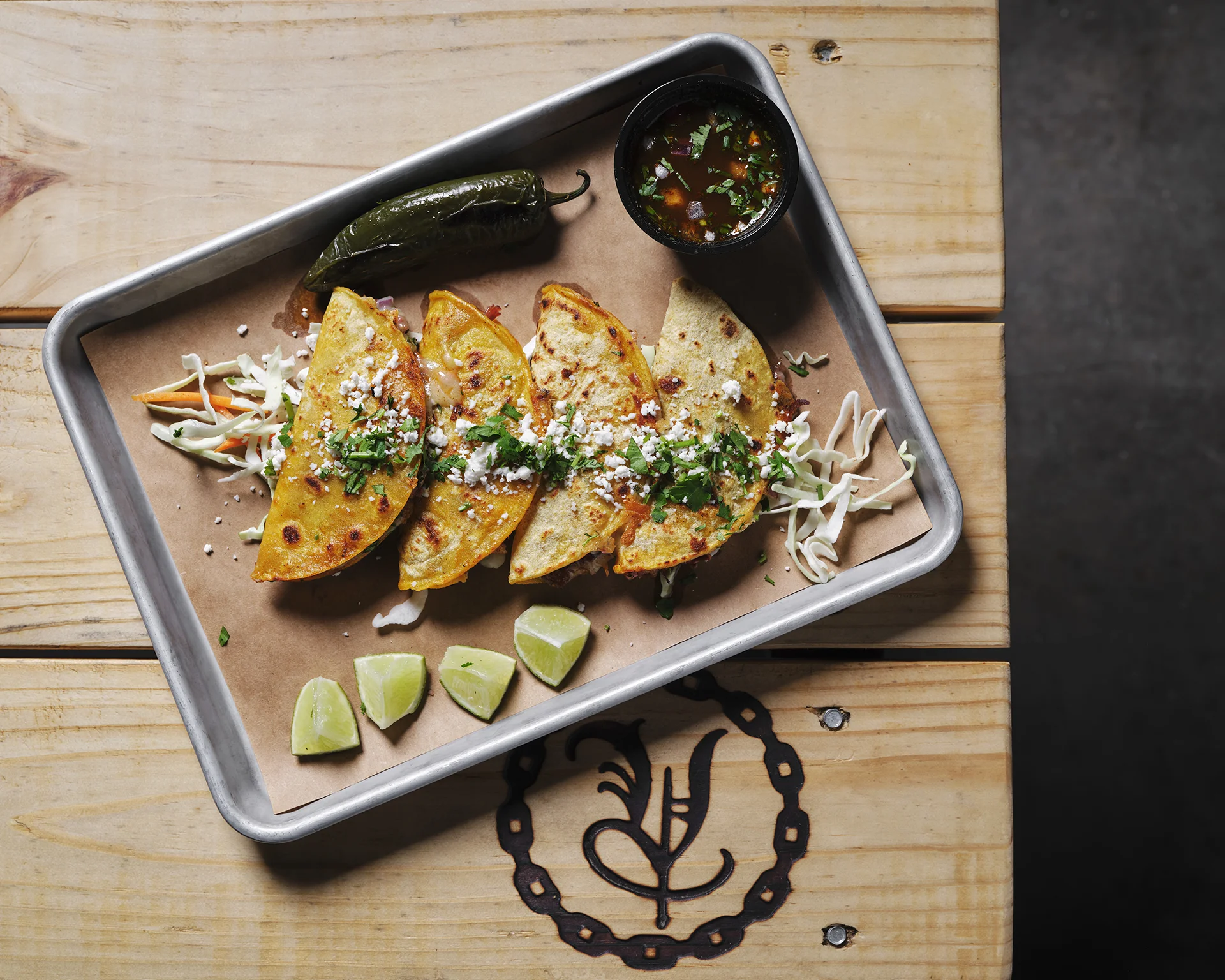
When you hear "barbecue" in Texas, it isn’t just a meal, it’s a language shaped by longhorns, oak smoke, and generations of pitmasters who learned to let beef speak for itself. After more than 37 years of pitmaster tradition, you’ll notice the spare salt-and-pepper rubs, the slow-cooked bark, and regional arguments that sound like family history. Hickory smoked and proud, our smoked meats and brisket carry the weight of geography, immigrants, and ritual, and that combination turned a cooking method into something almost sacred. On any given afternoon at Vaqueros Texas Bar-B-Q you can feel that history in the smoke and the stories.
How Texans Talk About "Barbecue" : And Why It Differs
Words matter in Texas barbecue, and when a Texan says "barbecue" they usually mean slow-smoked meat over wood, served in a specific regional style rather than grilled burgers at a backyard cookout.
You’ll hear brisket, ribs, sausage, and chopped beef named plainly, with sauces and sides discussed as accents, not definitions.
Texans refer to the pit, the smoke ring, and the bark as everyday terms, and you may be corrected if you call a smoked brisket "barbeque" or insist sauce is mandatory.
Language signals expertise and respect for tradition, so knowing the terms helps you order, judge, and talk shop.
Using the right words shows you understand what Texas BBQ values: patience, technique, and pure smoked meats flavored by wood like hickory smoked brisket, handled by a practiced pitmaster.
How Texas Geography and Cattle History Shaped BBQ
Talk of terms and technique only gets you so far; to really understand Texas barbecue you have to look at the land and the livestock that made it.
You’ll see vast grasslands and hardy longhorns that pushed cattle toward beef, not pork, and shaped a cuisine built around brisket and whole-muscle cuts.
Arid plains influenced wood selection and slow-smoking methods, mesquite and post oak burn hot and fast in places, but pitmasters learned to temper heat for long cooks.
Ranch culture created communal butchery traditions and practical cuts that needed smoke to tenderize and preserve.
You’ll notice how distance from ports limited fresh supplies, so preservation and resourcefulness ruled.
Geography and cattle history didn’t just influence technique, they defined what Texans call Texas BBQ and the smoked meats they prize, from hickory smoked ribs to a perfectly rendered brisket.
Immigrant Influences: German, Czech, and Mexican Threads
When Germans, Czechs, and Mexicans settled Texas, they brought curing methods, sausage recipes, and spice sensibilities that fused with local beef traditions and transformed the pit.
You’ll notice sausage links and smoked bologna on many plates, because German and Czech techniques taught Texans to cure and smoke pork alongside beef.
You’ll find red or chilied sauces, pickled vegetables, and spice blends reflecting Mexican roots, adding brightness and heat to smoky meats.
Pitmasters learned to blend wood choices with these techniques, balancing oak, mesquite, or hickory smoke with European curing and Mexican chiles.
These immigrant threads didn’t overwrite local practice, they expanded it, giving you Texas BBQ that’s more complex, regionally varied, and rooted in multiple culinary lineages.
How Brisket Became Texas’s Sacred Cut
You’ll notice brisket sits at the center of Texas barbecue for reasons that mix cattle culture, cooking practicality, and a long history of smoke.
You learn to treat brisket with respect because it was once tough, plentiful, and cheap on ranches where beef reigned.
Butchers and pitmasters embraced the cut’s fat and connective tissue, knowing slow, low smoke transforms it into tender, flavorful meat.
You’ll see regional cooks refine trimming, rubs, and long cooks into rituals that honor animal and craft.
You pick up techniques, resting, slicing against the grain, bark appreciation, that came from feeding workers and families.
Over decades, brisket moved from necessity to symbol, mastering it proves a pitmaster’s skill and cements brisket as Texas BBQ’s sacrosanct centerpiece.
Texas BBQ Wood: Why Oak and Post Oak Dominate
Because oak burns steady and gives a clean flavor, it became the backbone of Texas BBQ pits long before stylistic rivalries took hold.
You’ll notice post oak most often because it’s abundant across Central Texas, provides long, even heat, and produces a mild smoke that won’t mask beef’s natural flavor.
Use split oak for steady coals or chunks for a longer burn, and always choose well-seasoned wood to minimize bitter, resinous notes.
Oak’s consistency helps control cook times on massive briskets, and it allows bark development without overpowering the meat with smoke.
It’s durable, easy to source, and works with a range of pit designs.
When you pick oak or post oak, you’re choosing predictability and balance, letting technique and meat quality determine the final result for true smoked meats.
Salt, Pepper, and the Simple Rubs of Texas BBQ
Often the simplest approach wins. Texas pitmasters lean on just kosher salt and coarsely ground black pepper to highlight beef’s natural flavors instead of burying them under spices. You’ll see briskets rubbed thinly and evenly, so smoke and meat shine through. Apply salt early for penetration, pepper later for a crunchy bark that balances fat.
Some cooks add a touch of garlic powder or paprika, but they’re subtle, not the headline. You’ll taste the meat first, seasoning second. That restraint respects quality cuts and controlled smoke from post oak or hickory smoked pits. When you try it, resist overcomplicating the rub, measure, distribute, and let time do the work. Simple rubs teach you to listen to the meat, not cover it up.
Pitmasters and BBQ Community Rituals
Pitmasters stitch together technique, history, and community every time they tend a pit, and you feel that legacy in the smoke, stories, and rituals that orbit the cook.
You watch hands that learned from family, neighbors, and mentors move with economy, trimming, seasoning, and tending coals, and you learn patience is as essential as heat.
You join conversations that pass tips as easily as plates, where crediting who taught a trick matters.
You notice rituals: the morning meat selection, the prayer or nod before the first chop, the tidy station that shows respect for both animal and guest.
At community feeds and competitions, you trade knowledge, celebrate skill, and reinforce that barbecue here binds identity, pride, and belonging.
Regional Texas Styles : Central, East, South, West (What to Expect)
When you travel across Texas, the barbecue changes by county lines. Central Texas focuses on low-and-slow beef with a peppery crust and minimalist seasoning, where hickory-smoked brisket and other smoked meats are the stars.
East Texas leans toward chopped, sauced pork that’s juicy and smoky, served in generous piles with tangy sauce.
South Texas blends Mexican influences with barbacoa and mesquite-fired brisket, often appearing in tacos with spicy sides.
West Texas favors direct-heat, mesquite-cooked meats with a drier, char-forward finish and thicker, crusted steaks.
You’ll note regional serving styles that reflect local tastes. Central presents sliced brisket with pickles and white bread, East piles tender pork with sauce, South offers barbacoa tacos and bold accompaniments, and West serves heartier, crusted cuts.
Expect the fuel and technique to shape flavor, with post oak and indirect pits in the center, heavier smoke and sauce to the east, and intense mesquite influence in the south and west. Pitmasters in each region follow traditions that make Texas BBQ a wide-ranging, deeply local experience.
Myths, Innovations, and How Texas Tradition Adapts
Although Texas barbecue feels rooted in unchanging rules, you’ll find it’s more flexible than the legends suggest. You might expect purists to resist change, but cooks borrow techniques, ingredients, and presentations from other cuisines while honoring core practices, low-and-slow smoking, careful wood selection, and respect for the meat.
Myths, like sauce-free mandates or universal brisket formulas, collapse when you see regional tweaks, competition innovations, and backyard experiments. You’ll notice pitmasters curing, dry-brining, or using unexpected woods, smokers fitted with modern controllers, and fusion sides that nod to immigrant traditions.
That adaptability keeps Texas BBQ alive, you get tradition’s backbone with inventiveness at the edges, so smoked meats feel both familiar and newly relevant every time you sit down.