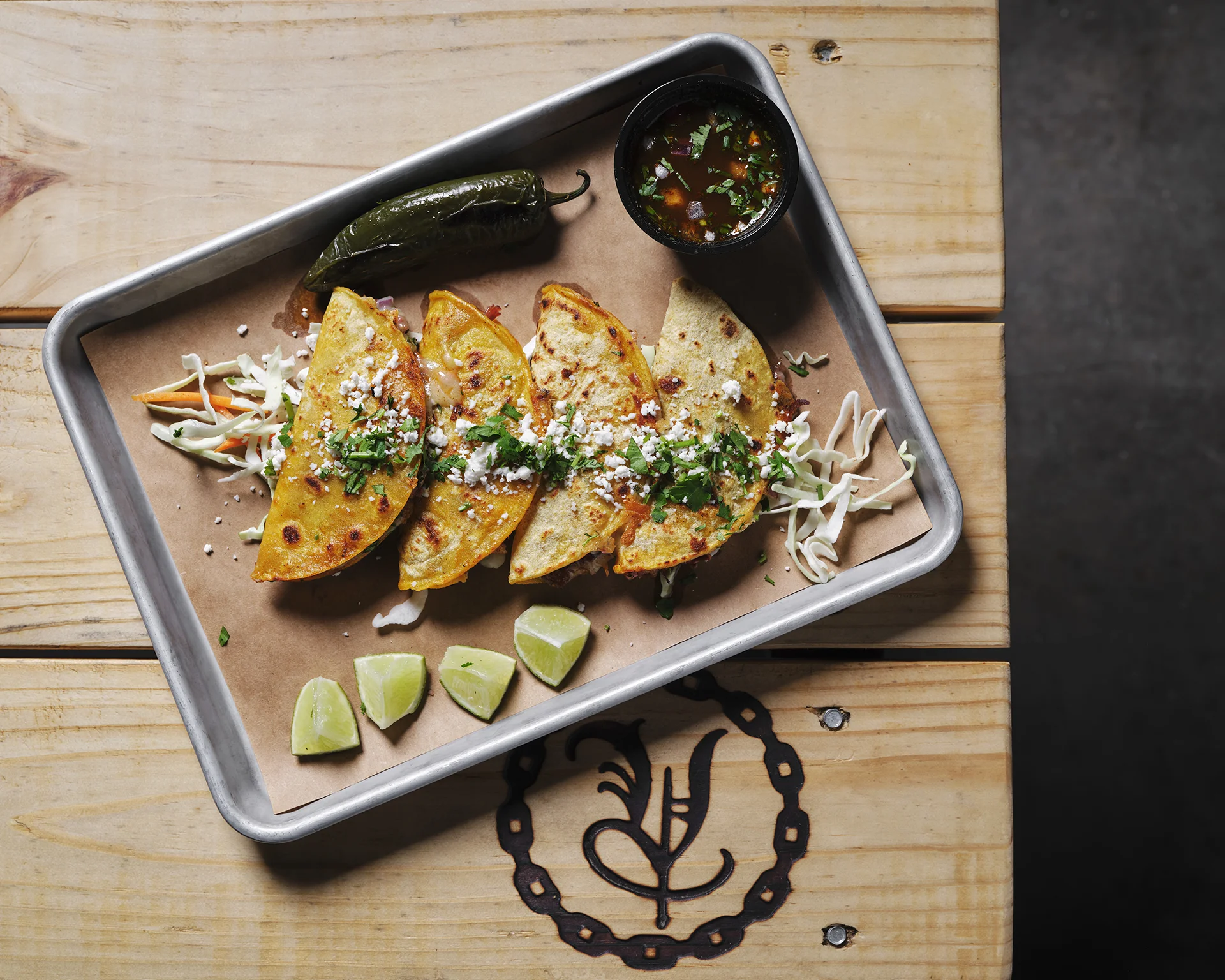
If you want tacos that stand on technique, look for places where tortillas are warmed or made in view, and proteins are cooked to order with a real sear. After more than 37 years tending the pit, we know when a kitchen respects its craft, whether they lean on Texas BBQ traditions, hickory smoked flavor, or classic smoked meats like brisket. Watch for a short, confident menu, balanced salsas, and a steady, efficient kitchen, these are signs the cooks care about flavor, not flair. Keep an eye on texture and aroma, and you’ll spot the spots worth trying, including Vaqueros Texas Bar-B-Q, where the work shows in every bite.
Quick Checklist: 5 Signs You’ll Find Good Tacos
When you walk up to a taco spot, look for five clear signs that you’ll get something worth savoring. A busy counter means steady orders, which usually equals flavor and turnover. Fresh tortillas are a must, so watch for them being shaped or heated in plain view, not pulled from plastic wrappers. Visible fillings cooked to order tell you the meat or vegetables are prepared on the spot, sliced to order on a hot comal or grill, not scooped from a lukewarm steam table. A simple menu focused on tacos signals mastery of a few preparations, not gimmicks. A confident salsa station with clear labels, balanced heat, and fresh herbs lets you customize without masking the taco itself.
If the spot also shows an interest in smoked meats, like Texas BBQ or hickory smoked brisket, that can be a bonus for hearty, savory fillings. Look for a pitmaster’s touch in how the smoked meats are sliced and treated; well-handled smoked meats add depth without overpowering the other elements. Trust these cues, they point to honest, unpretentious tacos done right.
Spot Real Corn Tortillas
You’ve learned the signs of a good taco joint, now pay close attention to the tortillas, they make or break the whole bite. Look for masa aroma, slight sweetness and a corn scent that feels fresh, not cardboard.
Real corn tortillas are pliable, warm, and tear rather than snap, they should fold around filling without falling apart. Thickness varies by region, but they’ll feel substantial, not paper-thin or plasticky.
Ask if they use nixtamalized masa or freshly made tortillas, vendors who press or hand-press are likelier to serve authentic texture and flavor. Watch how they keep tortillas, wrapped in cloth or a comal stack retains steam and softness, while heat lamps dry them out.
Small details reveal authenticity.
Judge Protein and Seasoning Quickly
Sample a corner of the filling or watch a quick bite being built, the protein should smell savory, not greasy or metallic, and the seasoning ought to taste balanced, not just salty. Trust your nose first. Charred beef, roasted chicken, or stewed pork will give you clear aromatic cues.
Look for even browning and intact texture, dryness or mushiness means overcooking or poor cuts. Take a small bite to confirm seasoning layers, you want depth from herbs, mild acidity, and a hint of heat, not a single dominant note. If it’s overly slick, bland, or relies on just salt, move on. Good protein stands on its own, seasoning should complement, not mask quality.
When evaluating smoked meats like Texas BBQ brisket or other hickory smoked cuts, the same rules apply. A true pitmaster’s product will show a fragrant smoke ring and moist interior, with seasoning that enhances the meat rather than hiding flaws.
Judge Salsas, Condiments, and Balance
If a taco’s fillings are the backbone, salsas and condiments are the nervous system, reach for a spoon or a small bite to test how they talk to the protein.
Taste each salsa alone to gauge heat, acidity, and texture. A bright, acidic salsa should cut through fat, while a smoky or oily one should deepen savory notes, especially with hickory smoked or brisket-style fillings.
Check consistency, chunky salsas add freshness while smooth ones coat bites. Note salt, it lifts flavors but shouldn’t dominate.
Try pickled onions or a squeeze of lime to see if they brighten without masking the meat. Observe balance across bites, heat, acid, fat, salt, and texture should interact, not compete. If one element overwhelms, the taco won’t hold together.
Choose Between Lines, Menus, and Value
Weigh your priorities before you step up to the counter. Long lines can mean a beloved, time-tested spot, but they’ll cost you minutes; concise menus often signal a kitchen that’s focused and consistent. Decide whether patience buys authenticity, or quick service preserves your afternoon.
If you see a sprawling menu with dozens of hybrids, expect inconsistency. Narrow selections usually indicate the cooks perfect a few fillings and techniques.
Watch how staff move, efficient kitchens turn orders fast without skimping on care. Consider price relative to portion and ingredient quality, cheap tacos aren’t bad if tortillas and proteins are respected, but extreme bargains can hint at shortcuts.
Choose the place that matches your tolerance for wait, desire for focus, and value expectations.